
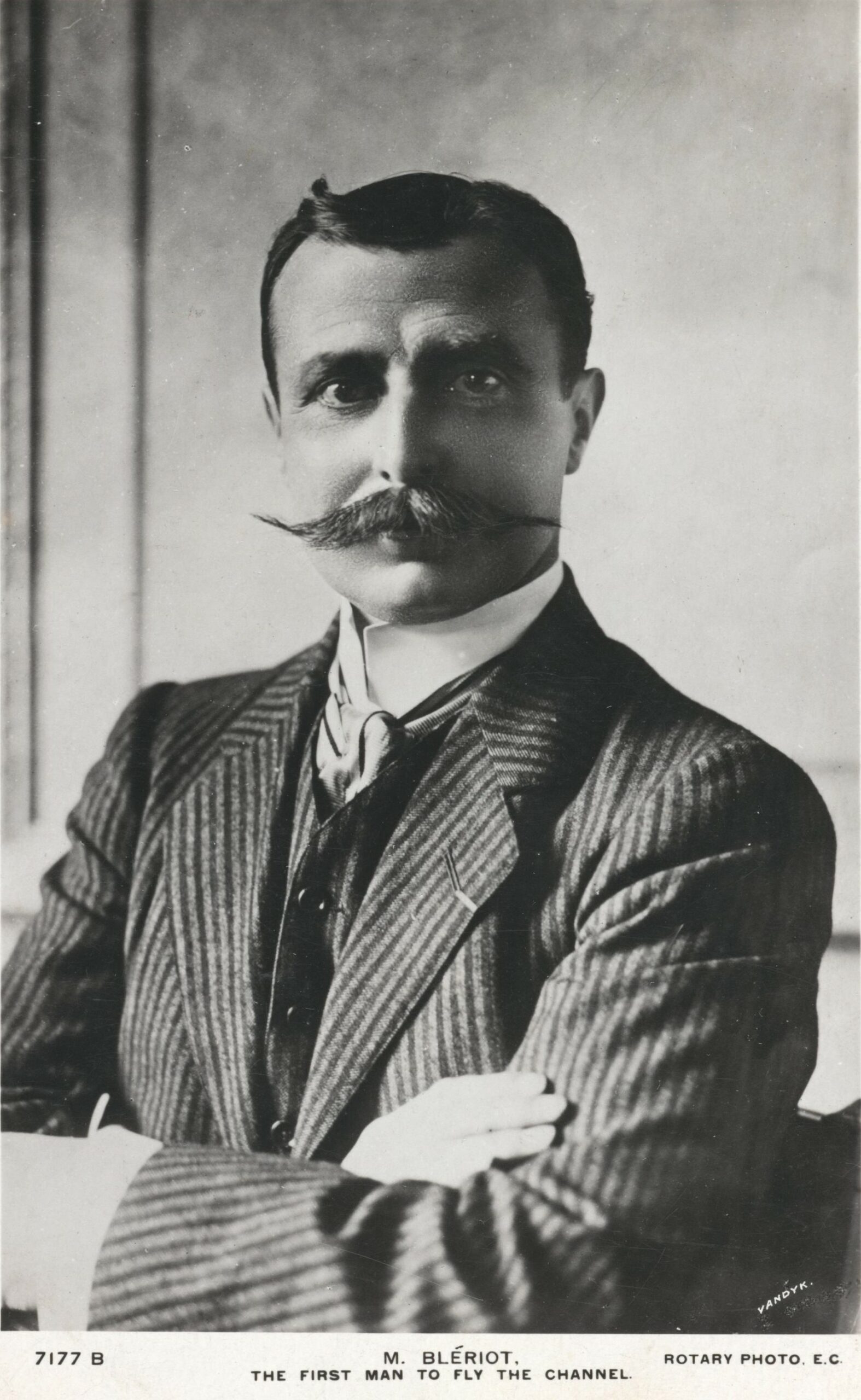
Louis Blériot is a name etched in the annals of aviation history. A pioneering French aviator and inventor, Blériot made headlines for his groundbreaking achievements in early flight, particularly his historic crossing of the English Channel in 1909. This article delves into the life of Louis Blériot, examining his age, rise to fame, significant career milestones, and enduring legacy in the world of aviation.
Early Life and Background
Louis Blériot was born on July 1, 1872, in Cambrai, France. His early years were marked by a strong interest in engineering and innovation, traits that would later propel him to the forefront of aviation history. Raised in a middle-class family, Blériot’s parents supported his academic pursuits, which laid the foundation for his future endeavors.
Childhood and Education
Blériot’s fascination with technology and mechanics was evident from a young age. He attended the Lycée Louis-le-Grand in Paris, where he excelled in his studies, particularly in mathematics and science. After completing his secondary education, Blériot enrolled at the prestigious École Centrale Paris, one of France’s leading engineering schools. Here, he honed his skills and deepened his understanding of engineering principles, which would prove invaluable in his later experiments with aviation.
Rise to Fame
Louis Blériot’s rise to fame was fueled by his relentless pursuit of innovation and his contributions to the nascent field of aviation. His journey from an engineering student to a celebrated aviator was marked by a series of pivotal moments and groundbreaking achievements.
Early Career and Inventions
Before venturing into aviation, Blériot established himself as an inventor and entrepreneur. He initially worked in the automotive industry, where he designed and manufactured headlamps for cars, which were a significant improvement over the existing technology. His success in this field provided him with the financial resources to pursue his passion for aviation.
Entry into Aviation
Blériot’s interest in aviation was sparked by the achievements of early pioneers like the Wright brothers. Determined to make his mark, he began experimenting with aircraft designs in the early 1900s. His early efforts were fraught with challenges, but Blériot’s perseverance and engineering acumen eventually paid off.
Major Career Milestones
Throughout his illustrious career, Louis Blériot achieved numerous milestones that solidified his status as a pioneer in aviation. His contributions to aircraft design and his daring flights have left an indelible mark on the history of flight.
Historic English Channel Crossing
Blériot’s most famous achievement came on July 25, 1909, when he became the first person to fly across the English Channel in a heavier-than-air aircraft. This historic flight from Calais, France, to Dover, England, was a testament to Blériot’s skill and determination. He piloted his Blériot XI monoplane, a design of his own creation, and completed the journey in just 37 minutes. This feat not only earned him international acclaim but also demonstrated the potential of aviation as a viable means of transportation.
Innovations in Aircraft Design
Blériot was known for his innovative approach to aircraft design. He introduced several key advancements that improved the performance and safety of early airplanes. His designs emphasized simplicity and efficiency, with features such as a monoplane configuration, a streamlined fuselage, and lightweight construction materials. These innovations contributed to the overall progress of aviation technology and set the stage for future developments.
Establishing Blériot Aéronautique
In 1909, following his successful Channel crossing, Blériot founded Blériot Aéronautique, an aircraft manufacturing company. The company produced a range of aircraft models, including trainers, reconnaissance planes, and fighter aircraft, which were used during World War I. Blériot’s business acumen and engineering expertise ensured the company’s success and cemented his legacy as a key figure in the aviation industry.
Personal Life
While Louis Blériot’s professional achievements are well-documented, his personal life also played a crucial role in shaping his career and legacy. His relationships and experiences outside the realm of aviation influenced his work and contributed to his enduring impact on the field.
Marriage and Family
Blériot married Alice Vedène in 1901, and the couple had six children together. Alice was a supportive partner who stood by Blériot during the highs and lows of his aviation career. Their family life was characterized by a strong sense of unity and shared purpose, with Alice often accompanying Blériot to aviation events and supporting his business ventures.
Influence of Personal Experiences
Blériot’s personal experiences, including his travels and interactions with other aviation pioneers, greatly influenced his work. His exposure to different cultures and technological advancements enriched his perspective and informed his approach to aircraft design. These experiences allowed him to incorporate diverse ideas into his innovations, contributing to the evolution of aviation as a global endeavor.
Public Image and Legacy
Louis Blériot’s public image is that of a daring innovator and a visionary pioneer. His contributions to aviation have had a profound and lasting impact, shaping the development of the field and inspiring future generations of aviators and engineers.
Recognition and Honors
Blériot’s achievements were widely recognized during his lifetime. He received numerous honors and awards, including the prestigious Légion d’Honneur from the French government. His successful Channel crossing earned him a £1,000 prize from the Daily Mail, which had offered the reward for the first aviator to complete the journey. Blériot’s accomplishments were celebrated not only in France but also internationally, cementing his status as a global aviation icon.
Enduring Influence on Aviation
Blériot’s influence on aviation extends far beyond his own time. His innovative designs and pioneering spirit laid the groundwork for subsequent advancements in aircraft technology. Many of his principles, such as the importance of aerodynamic efficiency and structural integrity, continue to be fundamental in modern aircraft design. Blériot’s legacy is also preserved through various aviation museums and institutions that honor his contributions to the field.
Historical Context and Nuances
To fully appreciate Louis Blériot’s contributions to aviation, it is essential to consider the historical context in which he operated. The early 20th century was a period of rapid technological advancement and exploration, with aviation emerging as a new frontier.
Early 20th Century Aviation
During Blériot’s time, aviation was in its infancy, and pioneers like him were pushing the boundaries of what was possible. The Wright brothers had made their first powered flight in 1903, and the following years saw a flurry of experimentation and innovation. Blériot’s work was part of this broader movement, and his achievements helped to advance the understanding and capabilities of early aircraft.
Impact of World War I
The outbreak of World War I in 1914 had a significant impact on aviation. The war accelerated the development of aircraft technology as nations sought to gain an advantage in aerial combat and reconnaissance. Blériot Aéronautique played a crucial role in this effort, producing aircraft that were used by the French military. The lessons learned during the war would shape the future of aviation and underscore the importance of innovation and adaptability.
Recent Developments and Continued Influence
Louis Blériot’s legacy continues to influence the field of aviation today. His pioneering spirit and innovative designs remain relevant, inspiring ongoing advancements and explorations in aerospace technology.
Modern Aviation and Aerospace Engineering
The principles and innovations introduced by Blériot continue to inform modern aviation and aerospace engineering. His emphasis on lightweight materials, aerodynamic efficiency, and reliable performance are fundamental considerations in the design of contemporary aircraft. As technology advances, Blériot’s legacy serves as a reminder of the importance of creativity and perseverance in pushing the boundaries of what is possible.
Celebrations and Commemorations
Blériot’s achievements are celebrated and commemorated through various events and institutions. His historic Channel crossing is often reenacted and honored, highlighting its significance in aviation history. Museums dedicated to aviation, such as the Musée de l’Air et de l’Espace in France, showcase Blériot’s contributions and preserve his legacy for future generations.
Conclusion
Louis Blériot’s journey from a young engineering student to a pioneering aviator is a story of innovation, determination, and enduring impact. His contributions to aviation have left an indelible mark on the field, shaping the development of aircraft technology and inspiring countless individuals to pursue their dreams of flight. Blériot’s ability to navigate the challenges of early aviation and his commitment to advancing the field have cemented his place in history as one of the great pioneers of flight.
As we continue to explore and expand the boundaries of aviation and aerospace technology, Louis Blériot’s legacy serves as a guiding light. His achievements remind us of the power of human ingenuity and the importance of pushing the limits of what is possible. Whether in the skies above or in the innovations of modern aircraft, Blériot’s influence remains a testament to the enduring spirit of exploration and discovery.


