
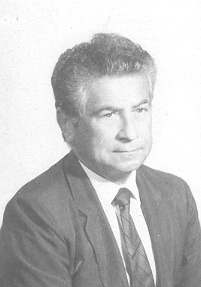
Luciano Barca, a notable journalist, writer, partisan, and politician, played a significant role in Italy’s mid-20th-century political landscape. His life is a fascinating journey through significant historical events and political changes. Born on November 21, 1920, in Rome, Barca’s contributions span across journalism, politics, and activism.
Early Life and Military Career
Luciano Barca’s early years were marked by a strong sense of duty and service. As an officer in the Italian Navy, he was decorated for his valor in operations involving assault crafts. This period of his life showcased his bravery and commitment, traits that would later define his political and journalistic careers.
In 1944, amid the turmoil of World War II, Barca was drawn to the Italian Communist Party (PCI). His involvement with the PCI was a significant shift that led him to join the Italian Resistance. In 1945, he actively participated in the anti-fascist movement, highlighting his dedication to the cause of liberation and justice. His notable act of mutiny and subsequent attack on a German vessel that had escaped the fire from Fecia di Cossato’s forces underscored his commitment to the Resistance.
Political Ascent
After the war, Luciano Barca’s political journey gained momentum. In 1945, he officially became a member of the PCI, marking the beginning of a long and influential political career. By 1956, he was elected to the PCI’s Central Committee, and in 1960, he joined the party’s national secretariat. These roles placed him at the heart of Italy’s communist movement, allowing him to influence policy and party direction significantly.
From 1963 to 1987, Barca served as a deputy in the Italian Parliament. His tenure in the lower house was marked by his active involvement in legislative processes and his advocacy for economic and social reforms. Following his time as a deputy, Barca transitioned to the Senate, serving from 1987 until 1992. His parliamentary work was characterized by his commitment to addressing Italy’s economic challenges, particularly those affecting the southern regions.
One of Barca’s notable achievements was his role as vice-president of the Budget Committee in the Chamber of Deputies. Additionally, he chaired the bicameral commission for the Mezzogiorno during the challenging transition from the extraordinary intervention of the Cassa per il Mezzogiorno to ordinary economic measures. This period was critical in addressing the economic disparities between Italy’s northern and southern regions.
Journalism and Writing
Parallel to his political career, Luciano Barca made significant contributions to journalism. He held the position of director for two influential publications: “L’Unità” and “Rinascita.” “L’Unità,” the official newspaper of the PCI, and “Rinascita,” a cultural and political magazine, were both instrumental in shaping public opinion and disseminating the party’s ideology.
Barca’s editorial leadership was marked by his ability to articulate complex political and economic issues in a way that was accessible to a broad audience. His writings not only informed the public but also fostered a deeper understanding of the PCI’s goals and the broader socio-economic context of Italy during that era.
Contributions to Economic Thought
Beyond journalism, Luciano Barca was an accomplished author of numerous works on economic and social issues. His writings reflected his deep understanding of Italy’s economic landscape and his commitment to social justice. In 1990, he founded the cultural association ONLUS “Etica ed Economia,” which aimed to promote ethical considerations in economic practices and policies. Through this association, Barca continued to influence public discourse on economics and ethics, emphasizing the importance of social responsibility and equity in economic development.
Legacy and Death
Luciano Barca’s legacy is multifaceted, encompassing his roles as a politician, journalist, writer, and activist. His life’s work was driven by a steadfast commitment to social justice, economic equity, and political integrity. Barca passed away on November 7, 2012, just shy of his 92nd birthday. His death marked the end of an era for Italian politics and journalism, but his contributions continue to resonate.
Historical Context and Influence
To fully appreciate Luciano Barca’s impact, it’s essential to understand the historical context in which he operated. The mid-20th century was a period of significant political upheaval and transformation in Italy. The end of World War II saw the fall of Fascism and the rise of the Italian Republic. The post-war years were characterized by intense political rivalry, particularly between the PCI and the Christian Democrats.
The PCI, with its roots in Marxist ideology, played a crucial role in shaping Italy’s post-war political landscape. It advocated for workers’ rights, social welfare programs, and economic reforms aimed at reducing inequality. Barca’s alignment with the PCI placed him at the forefront of these efforts. His involvement in the Resistance, his ascent within the party ranks, and his legislative work were all driven by the broader goal of creating a more just and equitable society.
Journalism and Political Discourse
Barca’s role in journalism cannot be understated. As the director of “L’Unità” and “Rinascita,” he was instrumental in shaping political discourse in Italy. These publications served as platforms for disseminating the PCI’s ideology, informing the public about political developments, and advocating for social and economic reforms.
“L’Unità,” founded by Antonio Gramsci in 1924, was more than just a newspaper; it was a symbol of the PCI’s commitment to the working class. Under Barca’s leadership, it continued to be a voice for those advocating for change. “Rinascita,” on the other hand, provided a more in-depth analysis of political and cultural issues, offering intellectual insights that complemented the more news-oriented focus of “L’Unità.”
Economic Reforms and Advocacy
Barca’s economic writings and his role in the PCI’s policy-making processes were pivotal in advocating for reforms. The economic disparities between the industrialized north and the agrarian south of Italy were a significant concern. Barca’s work on the Budget Committee and the bicameral commission for the Mezzogiorno focused on addressing these disparities.
The Cassa per il Mezzogiorno, established in 1950, was an initiative aimed at fostering economic development in Southern Italy. However, by the time Barca chaired the bicameral commission, there was a need to transition from extraordinary interventions to more sustainable, ordinary economic measures. Barca’s leadership in this transition was crucial in ensuring that the economic needs of the south were met while promoting overall national economic stability.
Ethical Considerations in Economics
Luciano Barca’s establishment of the ONLUS “Etica ed Economia” highlighted his commitment to integrating ethical considerations into economic practices. This initiative underscored the importance of addressing not only the technical aspects of economic policies but also their moral and social implications.
Barca’s belief in ethical economics was rooted in the idea that economic policies should serve the broader goals of social justice and equity. His writings and advocacy work through the association aimed to promote these principles, influencing both public opinion and policy-making processes.
Personal Reflections
Despite his public life, Luciano Barca was known for his modesty and dedication to his ideals. His personal reflections, as captured in his numerous writings, provide a window into his thoughts and motivations. Barca’s commitment to the principles of the Resistance, his dedication to the PCI, and his unwavering belief in social justice are recurring themes in his work.
In his later years, Barca’s reflections on his life’s work offered insights into the challenges and triumphs of his career. His ability to navigate the complexities of Italian politics, his contributions to journalism, and his advocacy for economic reforms are testaments to his multifaceted legacy.
Conclusion
Luciano Barca’s life and career are emblematic of a period of significant political and social change in Italy. His contributions as a journalist, writer, partisan, and politician have left an indelible mark on the country’s history. Barca’s commitment to social justice, economic equity, and ethical considerations in public policy continue to inspire future generations.
His legacy serves as a reminder of the importance of integrity, dedication, and the pursuit of justice in public life. As we reflect on Luciano Barca’s life, we are reminded of the enduring impact of his work and the values he championed.


