
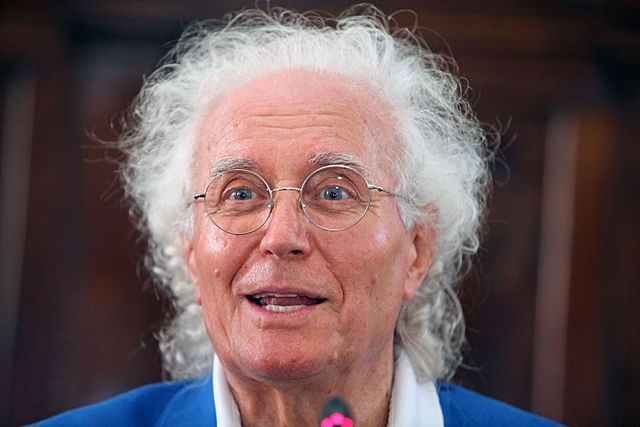
Luciano Benetton, a name synonymous with innovation, creativity, and global fashion, is a prominent Italian entrepreneur who played a pivotal role in shaping the fashion industry. Born on May 13, 1935, in Treviso, Italy, Benetton’s journey from a humble beginning to becoming a global fashion magnate is both inspiring and instructive. This article delves into the life, achievements, and legacy of Luciano Benetton, providing detailed insights and exploring the nuances of his remarkable career.
Early Life and Family Background
Luciano Benetton was born into a family with modest means. His father, Leone Benetton, was involved in renting cars and bicycles, while his mother, Rosa Carniato, managed the household. Luciano was the eldest of four siblings, with Giuliana, Gilberto, and Carlo following. The death of his father in 1945 marked a significant turning point in Luciano’s life, forcing him to leave school at the age of ten to support his family.
The Birth of a Fashion Empire
Luciano’s entry into the fashion world began in an unconventional manner. Working as a shop assistant in a fabric store, he gained firsthand experience in the textile industry. His sister, Giuliana, made him a bright yellow sweater, which stood out in an era when young men typically wore subdued colors. The sweater’s popularity among his peers sparked an idea in Luciano’s mind: color could be a defining element in fashion.
In 1965, the Benetton siblings pooled their resources to open their first store in Ponzano Veneto, Treviso. This marked the official birth of the Benetton Group. The initial years were challenging, with the family working tirelessly to establish their brand. They focused on creating high-quality, colorful knitwear that appealed to a broad audience.
Expansion and Innovation
The late 1960s and early 1970s were a period of significant growth for the Benetton Group. The siblings adopted a pioneering business model that involved franchising, allowing them to expand rapidly. By 1971, they had opened their first store in Paris, a city renowned for its influence on global fashion.
The Benettons’ strategy of placing stores in central, high-traffic areas, coupled with their innovative franchising model, proved immensely successful. By the 1980s, the Benetton brand had a strong presence across Europe, with over 1,000 stores in Italy alone. The brand’s distinctive, colorful knitwear became synonymous with youth and vibrancy.
Marketing Genius and Global Recognition
Luciano Benetton’s vision extended beyond product innovation; he understood the power of marketing. In the mid-1980s, he collaborated with the renowned photographer Oliviero Toscani. Together, they revolutionized the world of advertising with provocative and socially conscious campaigns. These advertisements often sparked controversy but succeeded in making the Benetton brand globally recognizable.
One of their most notable campaigns featured images highlighting issues such as racial diversity, AIDS awareness, and political conflicts. These bold advertisements positioned Benetton as a brand that not only sold clothes but also engaged with important social issues. This unique approach won numerous awards, including the Grand Prix de la Publicité Presse Magazine and the Grand Prix de la Communication Pubblicitaire in 1985.
Diversification and Sports Ventures
Luciano Benetton’s entrepreneurial spirit was not confined to the fashion industry. In the 1980s, the Benetton Group diversified into various sectors, including sports. The company sponsored the Tyrrell Formula One team and later established the Benetton Formula Limited team. This venture into motorsports culminated in significant successes, including multiple world championships.
In addition to Formula One, Benetton invested in other sports, notably rugby and basketball. The company acquired the Treviso Rugby team and renamed it Benetton Rugby, leading it to numerous national victories. Similarly, Benetton’s acquisition of the Treviso basketball team resulted in a series of successes, branding the team as Sisley Treviso.
Public Life and Political Engagement
Luciano Benetton’s influence extended beyond business and sports. In the early 1990s, he entered the political arena, serving as a Senator in the Italian Parliament from 1992 to 1994. His political career was marked by his affiliation with the Italian Republican Party, reflecting his commitment to public service and civic engagement.
Cultural and Educational Contributions
Benetton’s contributions were not limited to commerce and politics. In 1987, he founded the Benetton Foundation for Studies and Research, aimed at promoting cultural and educational initiatives. The foundation focused on landscape design and urban planning, organizing seminars, courses, and study trips worldwide.
In 1991, Benetton launched “Colors,” a magazine that explored global issues through the lens of art and photography. Created in collaboration with Oliviero Toscani, “Colors” was published in multiple languages and distributed in over forty countries. This initiative further cemented Benetton’s reputation as a visionary who used his platform to address global challenges.
The Legacy of Luciano Benetton
Luciano Benetton’s impact on the fashion industry and beyond is undeniable. Under his leadership, the Benetton Group became a global powerhouse, known for its innovative designs, bold marketing, and commitment to social issues. His business acumen and creative vision transformed a small family business into a worldwide brand with a presence in over 120 countries.
In 2006, Luciano stepped down as the president of the Benetton Group, handing over the reins to his son, Alessandro. This transition marked the end of an era, but Luciano’s legacy continued to influence the company’s direction. The Benetton brand remained a symbol of innovation, quality, and social awareness.
Continued Expansion and Modernization
Even after stepping down, Luciano Benetton continued to play an active role in the company’s strategic decisions. Under his guidance, the Benetton Group expanded into new markets, including India and Mexico. In 2008, the company reached an agreement with Sears, further enhancing its global distribution network.
The Benetton Group’s commitment to modernization and adaptation to changing market dynamics ensured its continued success. The brand embraced digital transformation, leveraging e-commerce and social media to engage with a new generation of consumers. This forward-thinking approach allowed Benetton to maintain its relevance in an increasingly competitive industry.
Conclusion
Luciano Benetton’s journey from a young boy working in a fabric store to a global fashion icon is a testament to his vision, determination, and entrepreneurial spirit. His innovative approach to fashion, marketing, and business set new standards and inspired countless others. Today, the Benetton Group stands as a symbol of creativity, diversity, and social responsibility, reflecting the values that Luciano Benetton championed throughout his illustrious career.
Luciano Benetton’s story is not just about business success; it is about using one’s platform to make a positive impact on society. His legacy continues to inspire and influence, reminding us of the power of creativity and the importance of staying true to one’s values.


