
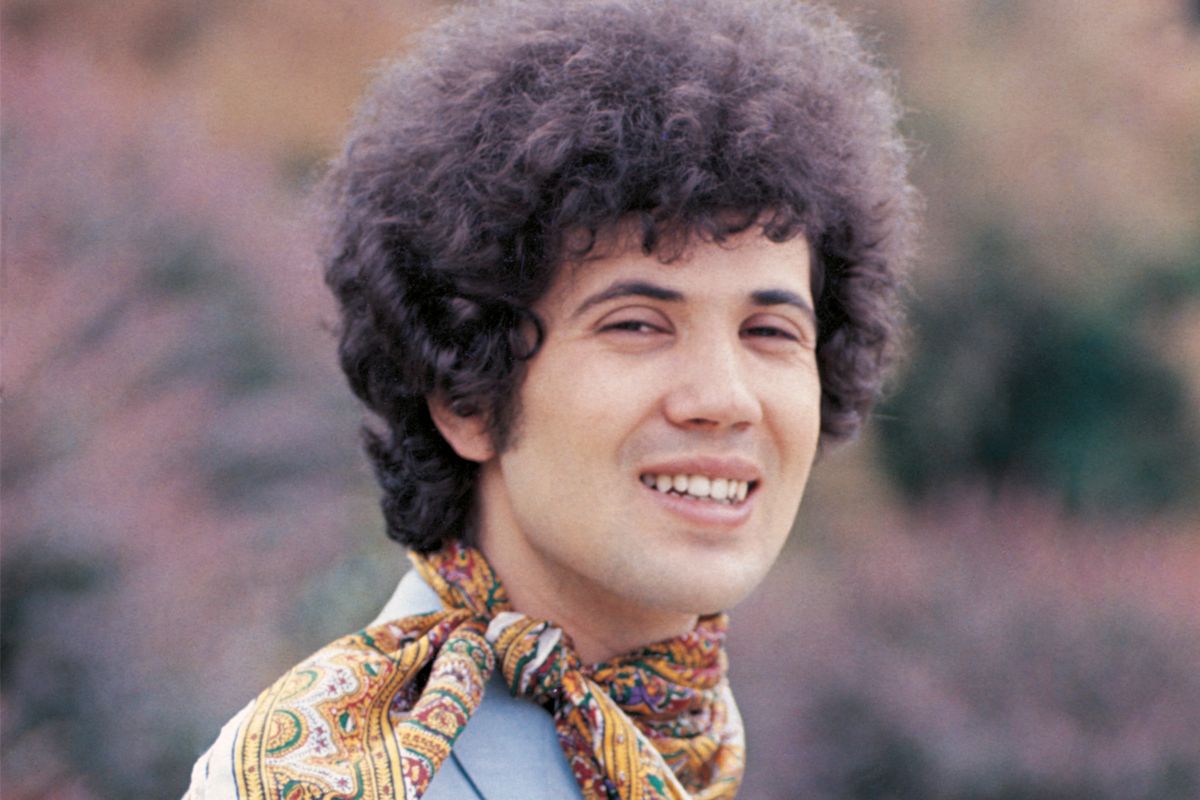
Lucio Battisti, born on March 5, 1943, in Poggio Bustone, Rieti, Italy, remains an iconic figure in Italian music. Known for his profound impact on Italian pop and rock music, Battisti’s legacy is marked by his innovative compositions, poetic lyrics, and a unique ability to blend various musical styles. This article explores the life highlights of Lucio Battisti, delving into his achievements, contributions, and the lasting influence he has had on the music industry.
Early Life and Musical Beginnings
Lucio Battisti’s early years were characterized by a quiet, introspective nature and a passion for music that began in his childhood. Growing up in a small, close-knit family, he showed an early interest in music. His family moved to Vasche di Castel Sant’Angelo near Rieti in 1947 and later to Rome in 1950. These moves played a significant role in shaping his musical career, providing him with exposure to diverse cultural influences.
Battisti’s educational journey culminated in a diploma as an industrial technician in 1962. However, his true calling was music, and he began performing in local clubs, playing guitar and singing both his songs and covers of other artists’ work. His father, Alfiero, initially disapproved of his musical aspirations, leading to familial tension. Despite this, Battisti remained steadfast in his pursuit of a career in music.
Early Career and Breakthrough
Battisti’s first significant musical experience came in the autumn of 1962 when he joined “I Mattatori,” a group of Neapolitan musicians. This initial foray into the music industry provided him with valuable experience, but it wasn’t long before he moved on to “I Satiri,” with whom he toured Germany and the Netherlands. These international experiences exposed him to new musical styles, including the work of Bob Dylan and the Animals.
In 1964, Battisti decided to pursue a solo career in Milan, which was considered the heart of the Italian music industry at the time. His persistence paid off when he co-wrote his first songs with Roby Matano and released his debut single, “Per una lira,” in 1965. Despite the initial lack of commercial success, this period marked the beginning of his collaboration with lyricist Giulio Rapetti, better known as Mogol. This partnership would become one of the most significant in Italian music history.
Rise to Fame
Lucio Battisti’s rise to fame was marked by a series of significant milestones in the late 1960s and early 1970s. His breakthrough came in 1968 with the song “Balla Linda,” which he performed at the Cantagiro music festival. This was followed by a notable performance at the 1969 Sanremo Music Festival, where he presented “Un’avventura” in collaboration with Wilson Pickett.
The summer of 1969 saw Battisti achieve widespread acclaim with his hit “Acqua azzurra, acqua chiara,” which won the prestigious Festivalbar competition. This period marked the beginning of a prolific era for Battisti, characterized by a string of successful releases and chart-topping hits.
The 1970s: A Decade of Mastery
The 1970s were arguably the most successful and influential decade of Lucio Battisti’s career. He founded his record label, Numero Uno, in collaboration with friends and collaborators, allowing him greater creative control over his music. Two of his most famous songs from this period, “La canzone del sole” and “Anche per te,” exemplify his ability to craft emotionally resonant and musically sophisticated pieces.
Throughout the decade, Battisti released a series of critically acclaimed and commercially successful albums. His work during this time, often in collaboration with Mogol, included timeless classics such as “Emozioni” (1970), “Amore e non amore” (1971), “Il mio canto libero” (1972), and “Anima latina” (1974). These albums showcased his versatility, blending elements of rock, pop, folk, and classical music.
Evolution and Experimentation
Lucio Battisti was not content to rest on his laurels. The late 1970s and early 1980s saw him experimenting with new musical styles and production techniques. Albums like “Una giornata uggiosa” (1980) reflected his willingness to explore and innovate, incorporating electronic elements and more complex arrangements.
Battisti’s music continued to evolve, influenced by global trends and his own artistic curiosity. Despite his increasing reclusiveness, he maintained a strong connection with his audience through his recordings. His meticulous approach to music production ensured that each album was a carefully crafted work of art.
The Later Years and Withdrawal from Public Life
The 1980s marked a period of transition for Lucio Battisti. While he continued to release music, he gradually withdrew from public life, granting fewer interviews and making rare public appearances. His decision to step away from the limelight was driven by a desire to focus on his music without the distractions of fame.
In the late 1980s and early 1990s, Battisti’s collaborations with lyricist Pasquale Panella resulted in a series of albums that further pushed the boundaries of his musical expression. These works, including “Don Giovanni” (1986), “L’apparenza” (1988), and “La sposa occidentale” (1990), were marked by abstract and poetic lyrics, showcasing a more experimental side of his artistry.
Legacy and Impact
Lucio Battisti’s influence on Italian music is immeasurable. His ability to blend different genres and his innovative approach to songwriting have left a lasting legacy. His collaboration with Mogol produced some of the most memorable songs in Italian pop history, and his work continues to inspire new generations of musicians.
Battisti’s commitment to his artistic vision, even at the expense of commercial considerations, set him apart as a true artist. His reclusive nature and focus on his craft only added to his mystique, making him an enduring figure in Italian culture.
Historical Context and Cultural Significance
Lucio Battisti’s career unfolded against a backdrop of significant social and cultural change in Italy. The 1960s and 1970s were periods of rapid transformation, marked by political upheaval, economic growth, and cultural shifts. Battisti’s music reflected and responded to these changes, capturing the hopes, dreams, and anxieties of his generation.
His songs often explored themes of love, existential reflection, and personal freedom, resonating deeply with listeners. Battisti’s ability to articulate complex emotions through his music made him a voice for many, bridging the gap between personal experience and universal themes.
Personal Life and Reflections
Lucio Battisti was known for his intensely private nature, rarely speaking about his personal life. Despite his fame, he remained grounded and dedicated to his family. He married Grazia Letizia Veronese in 1976, and they had a son, Luca. Battisti’s family life was a sanctuary away from the pressures of his public persona.
Reflecting on his career, Battisti once said:
“I had curly hair even as a child, so long that they mistook me for a girl. I was a quiet boy, played with nothing, with a pencil, with a piece of paper, and dreamed. The songs came later. I had a normal childhood, I wanted to be a priest, served Mass when I was four or five years old. Then, once, because I was talking in church with a friend instead of following the service, a priest slapped us both. Maybe other elements intervened to distance me from the church, but with this episode, I had already changed my mind.”
Conclusion
Lucio Battisti’s life and career are a testament to his remarkable talent, dedication, and artistic integrity. From his early days in Rome to his rise to fame and subsequent withdrawal from public life, Battisti’s journey was marked by a relentless pursuit of musical excellence.
His legacy is one of innovation, emotional depth, and cultural significance. Lucio Battisti’s music continues to inspire, resonating with listeners around the world. As one of Italy’s most beloved and influential artists, his contributions to music will be remembered and celebrated for generations to come.


