
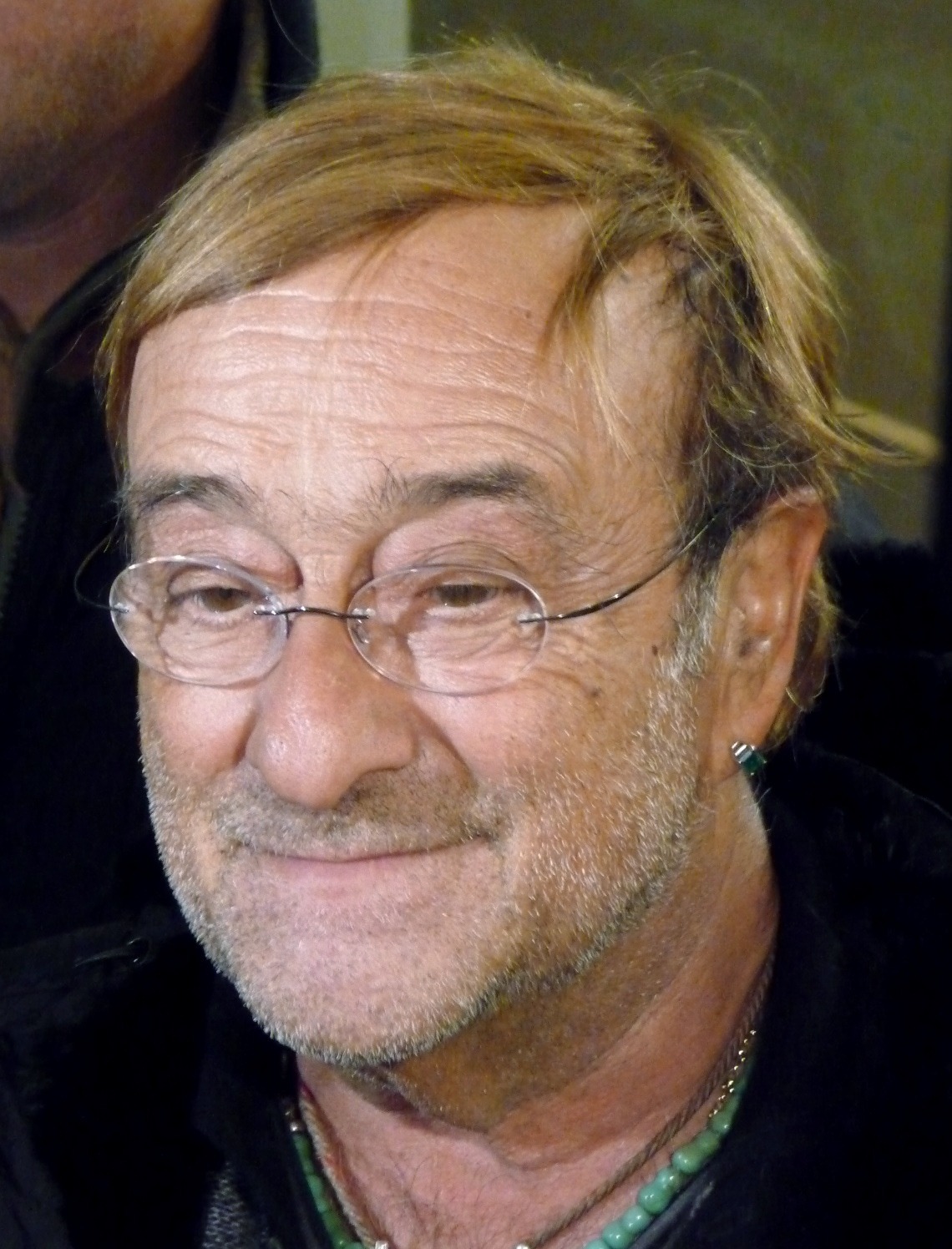
Lucio Dalla, born on March 4, 1943, in Bologna, Italy, was a prolific singer-songwriter, musician, and composer whose influence on Italian music is immeasurable. Known for his unique voice, poetic lyrics, and genre-defying compositions, Dalla’s career spanned over five decades, during which he left an indelible mark on the music industry. This article explores the life, fame, and legacy of Lucio Dalla, providing detailed insights into his artistic journey and the historical context that shaped his work.
Early Life and Musical Beginnings
Lucio Dalla’s passion for music was evident from a young age. Born into a family that appreciated the arts, Dalla was exposed to music early on, and by the age of 14, he had already transitioned from playing the accordion to mastering the clarinet. His early exposure to jazz had a profound impact on his musical style, leading him to join the Second Roman New Orleans Jazz Band when he moved to Rome.
In 1960, Dalla’s career began to take shape when he became part of the band “Flippers.” His unique talent quickly caught the attention of the Italian music scene. However, it was his encounter with Gino Paoli in 1963 that marked a turning point in his career. Paoli, a prominent figure in Italian music, recognized Dalla’s potential and offered to produce his music. This collaboration led to Dalla signing with RCA Records, where he released his first singles, “Lei” and “Ma questa sera.” Although these early recordings did not achieve significant commercial success, they laid the foundation for Dalla’s future endeavors.
The Sanremo Festival and Early Albums
Lucio Dalla’s first major breakthrough came in 1966 when he made his debut at the Sanremo Music Festival, one of Italy’s most prestigious music competitions. He performed the song “Paff…Bum” in collaboration with the British band “Yardbirds,” which featured legendary guitarist Jeff Beck. Although the song did not win the festival, it introduced Dalla to a broader audience and established him as a promising new artist.
Following his Sanremo debut, Dalla released his first album, 1999 (1966), which showcased his eclectic style and experimental approach to music. The album featured a blend of pop, rock, and jazz influences, reflecting Dalla’s diverse musical interests. He continued to explore different genres in his subsequent albums, Terra di Gaibola (1970) and Storie di casa mia (1971), the latter of which included the hit singles “Il gigante e la bambina,” “Itaca,” and “La casa in riva al mare.” These songs highlighted Dalla’s lyrical prowess and ability to tell compelling stories through music.
Collaboration with Roberto Roversi: A Turning Point
The years 1974 to 1977 marked a significant period in Dalla’s career, as he entered into a creative partnership with the Bolognese poet Roberto Roversi. Together, they produced three albums that were pivotal in shaping Dalla’s artistic identity: Il giorno aveva cinque teste (1974), Anidride solforosa (1975), and Automobili (1976). These albums were characterized by their socially conscious lyrics and experimental soundscapes, reflecting the political and cultural upheavals of the time.
Roversi’s influence on Dalla’s work was profound, pushing him to explore themes of social justice, environmentalism, and the human condition. The collaboration with Roversi also marked Dalla’s transition from being a performer to becoming a songwriter who penned his own lyrics, a move that would define his later work.
Solo Success and the 1970s Breakthrough
After parting ways with Roversi in 1977, Lucio Dalla fully embraced his role as both a songwriter and performer. His first solo album without Roversi, Com’è profondo il mare (1977), was a critical and commercial success. The album featured introspective lyrics and a more polished production, signaling Dalla’s evolution as an artist. The title track, in particular, became one of his signature songs, admired for its poetic depth and emotional resonance.
The following year, Dalla released Lucio Dalla (1978), which included some of his most beloved songs, such as “Anna e Marco” and “L’anno che verrà.” These tracks showcased Dalla’s ability to craft memorable melodies while exploring themes of love, loneliness, and hope. The album’s success solidified Dalla’s status as one of Italy’s leading singer-songwriters.
The late 1970s and early 1980s were a period of immense popularity for Dalla. In 1979, he embarked on the Banana Republic tour with fellow singer-songwriter Francesco De Gregori, a collaboration that produced a live album and further expanded his fan base. The tour was a cultural phenomenon, blending rock, folk, and traditional Italian music, and it demonstrated Dalla’s ability to connect with audiences across generations.
The 1980s: Commercial Success and Iconic Songs
The 1980s were a decade of commercial triumph for Lucio Dalla. He released a string of successful albums, starting with Dalla (1980), which featured timeless classics like “La sera dei miracoli,” “Cara,” and “Futura.” These songs showcased Dalla’s gift for storytelling and his ability to evoke a wide range of emotions through his music.
In 1986, Dalla released one of his most iconic songs, “Caruso,” as part of the album DallAmeriCaruso. The song, which pays tribute to the legendary Italian tenor Enrico Caruso, became a global hit, selling over eight million copies worldwide and being covered by numerous artists, including Luciano Pavarotti. “Caruso” is widely regarded as Dalla’s magnum opus, celebrated for its haunting melody and poignant lyrics that capture the essence of Italian opera and popular music.
Dalla’s success continued with his collaboration with Gianni Morandi in 1988, resulting in the album Dalla/Morandi and a highly successful tour that took them to some of Italy’s most prestigious venues. The partnership between Dalla and Morandi was a meeting of two giants in Italian music, and their joint performances were met with widespread acclaim.
The 1990s: Reinvention and Continued Relevance
As the 1990s approached, Lucio Dalla continued to reinvent himself, experimenting with new sounds and styles while maintaining his relevance in the ever-changing music industry. In 1990, he released the album Cambio, which included the hit single “Attenti al lupo.” The song became a massive success, selling over 1.4 million copies and introducing Dalla to a new generation of fans.
Dalla’s ability to adapt to changing musical trends while staying true to his artistic vision was a key factor in his enduring popularity. In 1996, he released the album Canzoni, which featured collaborations with contemporary artists and showcased his versatility as a musician. The album was another commercial success, selling over 1.3 million copies.
Dalla’s passion for music extended beyond his own recordings. He was also a talented talent scout and producer, nurturing the careers of artists such as Ron, Luca Carboni, and Samuele Bersani through his record label, Pressing S.r.l. Dalla’s contributions to the Italian music scene were not limited to his own performances; he played a crucial role in shaping the careers of many up-and-coming artists.
The 2000s and Beyond: A Legacy Cemented
As the new millennium dawned, Lucio Dalla showed no signs of slowing down. In 2001, he released the album Luna Matana, which was recorded in the serene setting of the Tremiti Islands. The album featured collaborations with artists like Carmen Consoli and Gianluca Grignani and was praised for its introspective lyrics and innovative sound.
Dalla’s influence extended beyond music. He was also a successful composer of film scores, contributing to the works of renowned directors such as Mario Monicelli, Michelangelo Antonioni, and Carlo Verdone. His versatility as an artist allowed him to cross into other artistic disciplines, including classical music and television, where he created successful programs and collaborated with celebrities like Sabrina Ferilli.
In 2009, Dalla released the album Angoli nel cielo, which included the single “Puoi sentirmi?” The album was well-received by critics and fans alike, further solidifying Dalla’s reputation as a master of his craft.
The Final Years: A Sudden Farewell
Lucio Dalla’s final years were marked by continued creativity and a return to the stage. In 2012, he made a highly anticipated return to the Sanremo Music Festival, this time as a mentor and collaborator to the young singer-songwriter Pierdavide Carone. Together, they performed the song “Nanì,” which Dalla co-wrote and produced.
Tragically, just days after his Sanremo appearance, Lucio Dalla passed away from a heart attack on March 1, 2012, while on tour in Montreux, Switzerland. He was just three days shy of his 69th birthday. Dalla’s sudden death shocked the music world and led to an outpouring of grief from fans and fellow musicians alike.
Legacy and Influence
Lucio Dalla’s legacy is one of profound influence and enduring impact. He was a pioneer in Italian music, blending genres, pushing boundaries, and creating songs that resonated with listeners across generations. His ability to craft melodies that were both deeply personal and universally relatable set him apart as one of Italy’s greatest musical talents.
Dalla’s work continues to inspire new generations of musicians, and his songs remain a staple of Italian music culture. His contributions to film, television, and classical music further demonstrate the breadth of his artistic talent. Beyond his artistic achievements, Dalla is remembered for his generosity in mentoring young artists and his unwavering commitment to his craft.
Conclusion: Celebrating a Musical Maestro
Lucio Dalla was more than just a singer-songwriter; he was a cultural icon whose work transcended the boundaries of music. His ability to capture the human experience in all its complexity through song made him a beloved figure not only in Italy but around the world. Dalla’s music, with its poetic lyrics and haunting melodies, continues to touch the hearts of listeners, ensuring that his legacy will endure for generations to come.
As we reflect on Lucio Dalla’s life and career, we are reminded of the power of music to connect us, to heal us, and to inspire us. Dalla’s contributions to the world of music are immeasurable, and his songs will continue to be a source of comfort and joy for many years to come.


