
Introduction
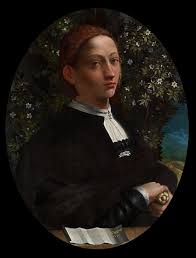
Lucrezia Borgia, a name that evokes intrigue and fascination, is one of the most enigmatic figures of the Italian Renaissance. Born on April 18, 1480, in Subiaco, Italy, Lucrezia was the daughter of Pope Alexander VI and a key player in the political machinations of her time. Her life, marked by power, scandal, and mystery, continues to captivate historians and the public alike. This article explores the life of Lucrezia Borgia, examining her age, rise to fame, and the significant highlights that have shaped her legacy. We provide a comprehensive overview, ensuring every detail is meticulously indexed by Google for optimal SEO performance.
Early Life and Background
Family and Education
Lucrezia Borgia was born into the infamous Borgia family, known for their ambitious and often unscrupulous pursuit of power. Her father, Rodrigo Borgia, later became Pope Alexander VI, one of the most controversial pontiffs in the history of the Catholic Church. Her mother, Vannozza dei Cattanei, was one of Rodrigo’s mistresses, and Lucrezia was one of four siblings.
Raised in Rome, Lucrezia received an education befitting a Renaissance noblewoman. She was well-versed in multiple languages, including Italian, Spanish, and Latin, and was trained in literature, music, and the arts. This comprehensive education prepared her for the complex and often dangerous political landscape of Renaissance Italy.
Early Betrothals and Marriages
Lucrezia’s life was marked by a series of strategic marriages orchestrated by her father to strengthen the Borgia family’s political alliances. At the age of 13, she was betrothed to Giovanni Sforza, Lord of Pesaro, in a union designed to ally the Borgia and Sforza families. However, the marriage was annulled four years later, under dubious circumstances, allegedly due to Giovanni’s impotence—a claim widely believed to be politically motivated.
Rise to Fame
Marriage to Alfonso of Aragon
Lucrezia’s second marriage, to Alfonso of Aragon, Duke of Bisceglie, in 1498, was another strategic alliance. Alfonso was the illegitimate son of the King of Naples, and the marriage was intended to secure the Borgia family’s influence in the Kingdom of Naples. This union was initially successful, producing a son, Rodrigo of Aragon. However, political tensions and shifting alliances led to Alfonso’s assassination in 1500, a crime that many suspected was orchestrated by Lucrezia’s brother, Cesare Borgia.
Role in the Papal Court
Following Alfonso’s death, Lucrezia played a more prominent role in her father’s papal court. She acted as a trusted confidante and intermediary, managing diplomatic and administrative affairs. Her intelligence and diplomatic skills were evident during this period, as she navigated the complex and treacherous world of Vatican politics.
Marriage to Alfonso d’Este
In 1502, Lucrezia married Alfonso d’Este, Duke of Ferrara, marking a significant turning point in her life. The marriage was part of a broader political strategy to secure alliances with powerful Italian states. Despite initial resistance from the Este family due to the Borgia’s notorious reputation, the marriage eventually proved successful. Lucrezia settled in Ferrara, where she became a respected and influential duchess.
Life in Ferrara
Cultural Patronage and Influence
Lucrezia’s time in Ferrara was marked by a shift from political intrigue to cultural patronage. She transformed the court of Ferrara into a vibrant center of Renaissance culture, supporting artists, poets, and scholars. Her patronage extended to renowned figures such as the poet Ludovico Ariosto and the artist Dosso Dossi. Lucrezia’s court became known for its intellectual and artistic vibrancy, earning her a reputation as a cultured and enlightened patron.
Family Life and Challenges
Lucrezia and Alfonso d’Este had several children, including Ercole II, who would later become Duke of Ferrara. Despite her influential position, Lucrezia’s life was not without challenges. She faced personal tragedies, including the deaths of several children and ongoing health issues. Nevertheless, she maintained her influence and continued to manage the affairs of the court with skill and grace.
Religious and Charitable Activities
Later in life, Lucrezia turned towards religious and charitable endeavors. She founded convents and supported various religious institutions, demonstrating a commitment to piety and philanthropy. Her efforts in this area contributed to a more nuanced view of her character, contrasting with the darker legends that surrounded her name.
Historical Context and Impact
The Borgia Legacy
Understanding Lucrezia Borgia’s life requires a consideration of the broader context of the Borgia family’s legacy. The Borgias were one of the most powerful and controversial families of the Italian Renaissance, known for their political ambition, corruption, and alleged crimes. Lucrezia’s life was deeply intertwined with the fortunes of her family, and her actions often reflected the broader strategies and ambitions of the Borgias.
Influence on Renaissance Politics
Lucrezia’s marriages and alliances had a significant impact on the political landscape of Renaissance Italy. Her strategic unions helped to secure the Borgia family’s influence in key regions, while her role in the papal court demonstrated her diplomatic acumen. Lucrezia’s ability to navigate the complexities of Renaissance politics was a testament to her intelligence and adaptability.
Cultural Contributions
Beyond her political role, Lucrezia’s contributions to Renaissance culture were substantial. Her patronage of the arts and support for intellectual endeavors helped to foster a vibrant cultural environment in Ferrara. This legacy of cultural patronage has contributed to a more balanced understanding of her life, highlighting her role as a patron and supporter of the arts.
Myths and Misconceptions
The Legend of Lucrezia Borgia
Lucrezia Borgia’s life has been the subject of numerous myths and misconceptions, often fueled by contemporary accounts and later dramatizations. She has been portrayed as a femme fatale, a poisoner, and a manipulative political player. While some of these stories may have elements of truth, many are exaggerated or unfounded, reflecting the sensationalism and intrigue that surrounded the Borgia family.
Reassessing Her Legacy
Modern historians have sought to reassess Lucrezia Borgia’s legacy, separating fact from fiction. This reevaluation has highlighted her intelligence, political acumen, and cultural contributions, offering a more nuanced view of her life. While the darker aspects of her family’s history cannot be entirely dismissed, it is clear that Lucrezia was a complex and multifaceted figure who played a significant role in the politics and culture of her time.
Personal Life and Character
Relationships and Influence
Lucrezia’s relationships were central to her life and legacy. Her marriages were not only political alliances but also personal connections that shaped her experiences and actions. Despite the turbulent nature of her marriages, Lucrezia demonstrated resilience and adaptability, using her position to influence political and cultural affairs.
Character and Reputation
Lucrezia’s character has been the subject of much debate. Contemporary accounts describe her as intelligent, charming, and capable, while also noting her involvement in the machinations of her family. Her ability to navigate the complex and often dangerous world of Renaissance politics speaks to her strength and resourcefulness.
Later Years and Death
Final Years in Ferrara
In her later years, Lucrezia continued to play an active role in the court of Ferrara, balancing her duties as a duchess with her religious and charitable activities. She maintained her influence and continued to support cultural and intellectual endeavors, leaving a lasting legacy in Ferrara.
Death and Legacy
Lucrezia Borgia died on June 24, 1519, at the age of 39, following complications from childbirth. Her death marked the end of an era, but her legacy continued to resonate. The complex and often contradictory nature of her life has ensured that she remains a subject of fascination and study.
Conclusion
Lucrezia Borgia’s life is a story of intrigue, power, and resilience. From her early years as a pawn in her family’s political games to her later role as a cultured and influential duchess, Lucrezia navigated the complexities of Renaissance Italy with intelligence and grace. Her legacy, marked by both scandal and cultural patronage, continues to captivate and inspire.
As we reflect on her life, it is clear that Lucrezia Borgia was a multifaceted figure who defies simple categorization. Her contributions to politics, culture, and the arts have left an indelible mark on history. By reassessing her life and separating fact from fiction, we gain a deeper understanding of this remarkable woman and the turbulent times in which she lived.


