
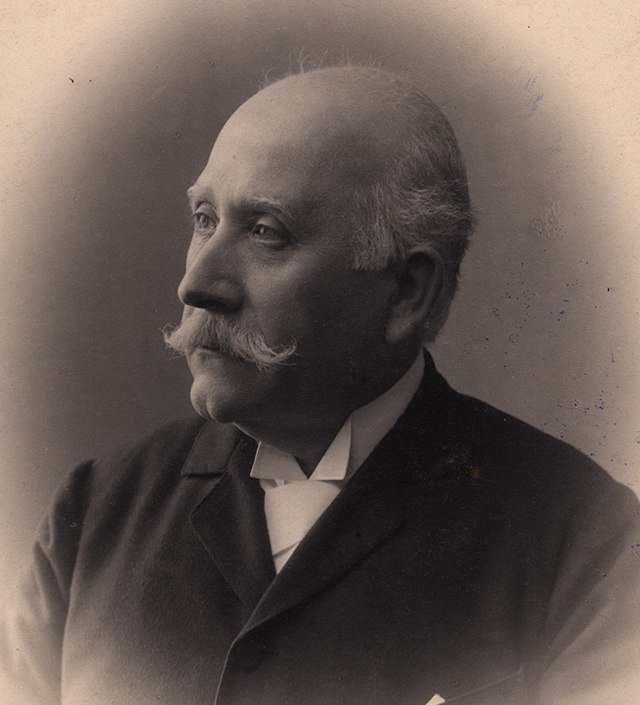
Luigi Capuana, a luminary in the realm of Italian literature, stands as a seminal figure in the evolution of literary realism. Born on May 28, 1839, in Mineo, Sicily, Capuana’s career as a novelist, critic, and journalist left a lasting impact on the literary world. This comprehensive exploration delves into Capuana’s age, fame, and life highlights, providing an in-depth look at his contributions and enduring legacy.
Early Life and Background
Childhood and Education
Luigi Capuana’s early life in the picturesque town of Mineo, located in the heart of Sicily, was marked by a profound connection to his surroundings. Born into a family with modest means, Capuana’s upbringing was steeped in the rich cultural and social traditions of Sicily. His education, which began locally, was furthered in Catania, where he showed an early aptitude for literature and the arts.
Influences and Inspirations
Capuana’s formative years were influenced by the vibrant cultural milieu of Sicily, which played a crucial role in shaping his literary vision. The social and political dynamics of 19th-century Italy, including the Risorgimento, the movement for Italian unification, significantly impacted Capuana’s worldview and literary output. His exposure to various intellectual currents of the time, including the burgeoning realism movement, informed his approach to writing.
Career Beginnings and Literary Contributions
The Rise of a Realist Writer
Luigi Capuana’s career as a writer began in the 1860s, a period of great literary transformation in Italy. His early works were marked by a commitment to realism, a literary approach that sought to depict life with unflinching accuracy and detail. Capuana’s adherence to realism was not merely stylistic but also reflective of his desire to address social issues and human conditions with authenticity.
Major Works and Themes
Capuana’s literary oeuvre is distinguished by its exploration of the human psyche and the social realities of his time. One of his most celebrated works, “Il marchese di Roccaverdina” (1896), exemplifies his mastery of realism. The novel delves into themes of social class, morality, and the complexities of human nature, offering a nuanced portrayal of Sicilian society. Capuana’s ability to capture the essence of his characters’ inner lives and societal conflicts set him apart as a pioneering realist writer.
Influence and Recognition
Impact on Italian Literature
Luigi Capuana’s contributions to Italian literature were pivotal in advancing the realist tradition. His works were instrumental in shaping the literary landscape of Italy, influencing subsequent generations of writers. Capuana’s emphasis on psychological depth and social commentary paved the way for future literary developments, making him a key figure in the evolution of modern Italian literature.
Recognition and Awards
Throughout his career, Capuana received considerable recognition for his literary achievements. His influence extended beyond Italy, garnering attention from international literary circles. Although he did not receive many formal awards during his lifetime, his reputation as a leading realist writer has been solidified posthumously. Capuana’s works continue to be studied and celebrated for their literary significance and social insight.
Personal Life and Legacy
Personal Details and Interests
Luigi Capuana’s personal life was characterized by a deep engagement with the intellectual and cultural currents of his time. Beyond his literary endeavors, Capuana was an active participant in the cultural and political life of Sicily. His interests extended to journalism and literary criticism, where he contributed to various periodicals and engaged in debates on literary theory and practice.
Philanthropy and Social Contributions
Capuana’s commitment to social issues is evident in his literary works, which often address themes of social injustice and moral dilemmas. His writing reflects a concern for the plight of marginalized individuals and the complexities of social dynamics. While Capuana’s philanthropic activities were less documented, his contributions to literature and social thought have had a lasting impact.
Historical Context and Evolution
The Literary Scene of the 19th Century
The 19th century was a period of significant literary and cultural transformation in Italy. The rise of realism, as exemplified by Capuana, marked a departure from romanticism and idealism. This shift was driven by a desire to portray life with greater accuracy and to address social issues with a critical eye. Understanding the historical context of this literary evolution provides insight into Capuana’s role and contributions.
Capuana’s Influence on Contemporary Literature
Luigi Capuana’s influence extends to contemporary literature, where his realist approach continues to resonate. His focus on psychological depth and social commentary has influenced modern writers and scholars, reinforcing the relevance of his work in the study of literary realism. Capuana’s legacy is evident in the ongoing exploration of themes and techniques that he pioneered.
Conclusion
Luigi Capuana’s life and career represent a remarkable journey through the world of Italian literature. His dedication to realism and his exploration of social and psychological themes have left an enduring legacy. From his early beginnings in Sicily to his influence on modern literary traditions, Capuana’s contributions continue to shape the literary landscape. His work remains a testament to the power of literature to reflect and critique society, ensuring his place as a seminal figure in the history of Italian literature.


