
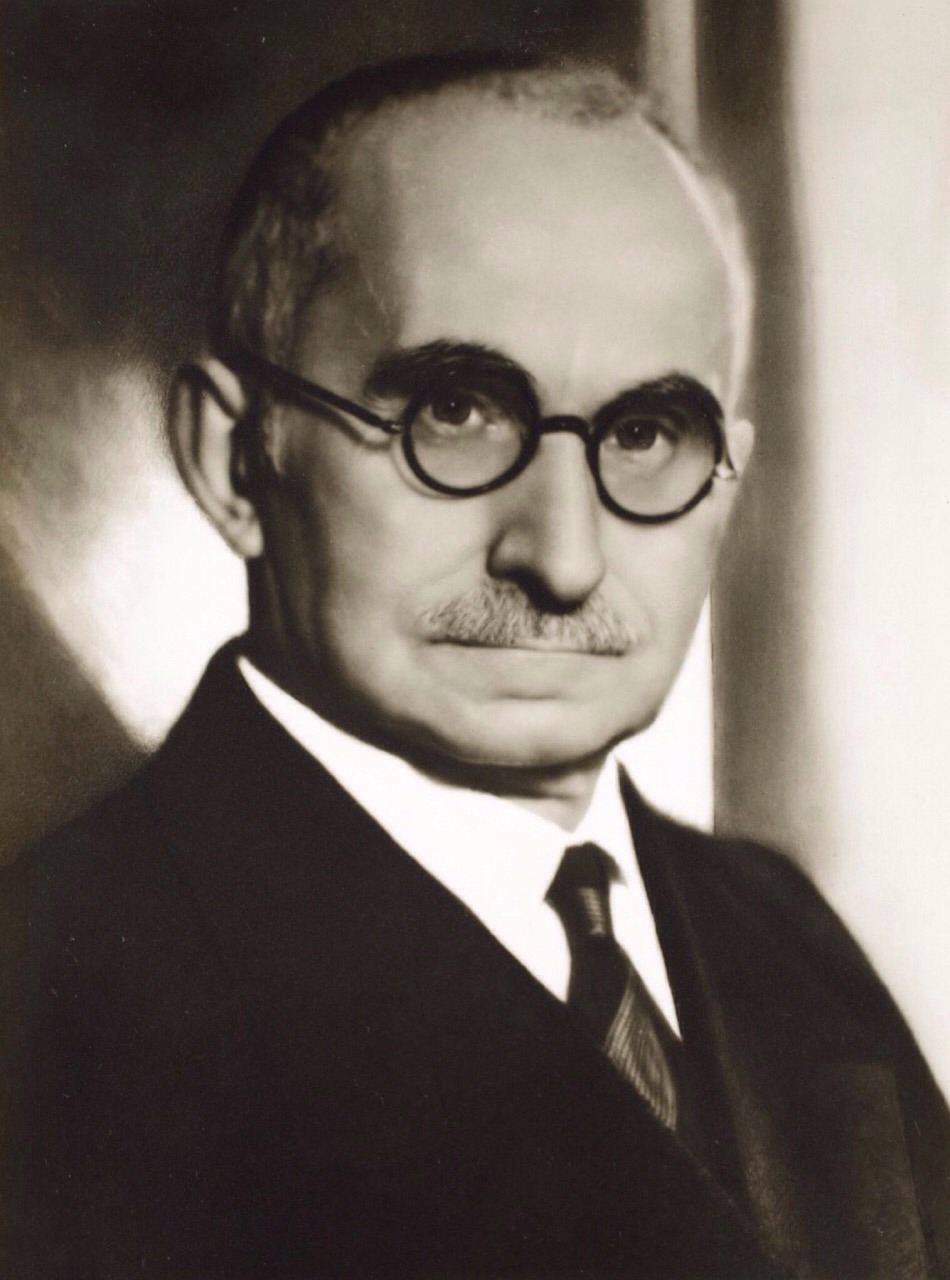
Luigi Einaudi is one of Italy’s most revered figures, remembered as a pioneering economist, a staunch advocate for liberalism, and the first elected President of the Italian Republic. Born on March 24, 1874, in Carrù, Cuneo, Einaudi’s life is a testament to the power of intellectual rigor and unwavering commitment to democratic principles. His influence extended far beyond Italy’s borders, earning him recognition as a key figure in the broader context of European liberalism. This article delves into the life, career, and lasting impact of Luigi Einaudi, exploring his contributions to economics, his political legacy, and his enduring relevance in modern discourse.
Early Life and Academic Foundations
Luigi Einaudi was born into a modest family in the small town of Carrù, situated in the Piedmont region of northern Italy. His early years were marked by the death of his father, which prompted his mother to relocate the family to Dogliani, a nearby town where Einaudi would spend much of his life. Despite the family’s limited means, Einaudi’s intellectual potential was evident from a young age. He earned a scholarship to attend the prestigious Scuole Pie in Savona, where he received a classical education that laid the groundwork for his future studies.
Einaudi’s academic journey culminated in 1895 when he graduated with a law degree from the University of Turin. However, his interests quickly gravitated towards economics, a field that was rapidly evolving in response to the economic challenges of the time. By 1902, Einaudi had secured a teaching position at the University of Turin, where he lectured on public finance and political economy. His academic career flourished, and by 1904, he was appointed to the Chair of Public Finance at the Bocconi University in Milan, one of Italy’s leading institutions for economic studies.
Contributions to Economic Thought
Luigi Einaudi’s work in economics was characterized by a deep commitment to liberalism, particularly the belief in the inseparability of political and economic freedom. Einaudi was a staunch advocate of economic liberalism, or liberismo, arguing that free markets and limited government intervention were essential to ensuring both individual liberty and economic prosperity.
One of Einaudi’s most significant contributions to economic thought was his theory of fiscal policy, which he articulated in various scholarly articles and books. His groundbreaking work, “Concetto di reddito imponibile e sistema di imposte sul reddito consumato” (The Concept of Taxable Income and a System of Taxes on Consumed Income), published in 1912, laid the foundation for modern income taxation. Einaudi proposed that taxes should be levied based on an individual’s consumed income rather than their total income, a concept that was revolutionary at the time and influenced the development of tax policies in Italy and beyond.
Einaudi’s scholarship also extended to public finance, where he examined the impact of government spending and taxation on economic stability. His works, such as “Studi sugli effetti dell’imposta” (Studies on the Effects of Taxation) and “La finanza sabauda all’aprirsi del secolo XVII” (Sardinian Finance at the Beginning of the 17th Century), are still referenced today for their insights into the relationship between state finances and economic growth.
Einaudi’s ideas were not confined to the academic sphere; he was also a prolific journalist, contributing to major Italian newspapers like La Stampa and the Corriere della Sera. His articles often addressed pressing economic issues and advocated for policies that aligned with his liberal economic principles. Through his writings, Einaudi became a prominent public intellectual, influencing both policymakers and the general public.
Political Career and Resistance to Fascism
Einaudi’s transition from academia to politics was marked by his appointment as a senator in 1919, a position he was awarded on the recommendation of Giovanni Giolitti, one of Italy’s most influential statesmen. As a senator, Einaudi was an ardent opponent of socialism and state intervention in the economy, which he viewed as threats to individual liberty and economic efficiency. His political philosophy was rooted in the belief that economic freedom was the bedrock of a democratic society.
Initially, Einaudi was cautiously optimistic about the economic program proposed by the Fascist regime under Benito Mussolini. However, he quickly grew disillusioned with the regime’s authoritarianism and its increasing control over the economy and the press. By 1927, Einaudi had severed ties with the Corriere della Sera after it fell under Fascist control, signaling his opposition to Mussolini’s dictatorship.
During the Fascist era, Einaudi continued his scholarly work in relative isolation, focusing on his research and writing. The regime’s censorship policies and the suppression of free speech made it difficult for Einaudi to voice his dissent publicly. However, his opposition to Fascism was well-known among his peers, and he was regarded as one of the few intellectuals who maintained their integrity during this dark period in Italian history.
In 1935, the Fascist authorities shut down Riforma Sociale, a journal that Einaudi had edited for many years, as part of their broader efforts to suppress independent thought. Despite these setbacks, Einaudi remained active in the academic community, founding the Rivista di Storia Economica (Journal of Economic History) in 1936, which he edited until it was forced to cease publication in 1943.
Post-War Leadership and Presidency
With the fall of Mussolini and the end of World War II, Einaudi emerged as a key figure in the reconstruction of Italy. In January 1945, he was appointed Governor of the Bank of Italy, a position in which he played a crucial role in stabilizing the Italian economy after the war. Einaudi’s policies, which included stringent controls on inflation and public spending, helped to restore confidence in the Italian lira and set the stage for the country’s post-war economic recovery.
In 1946, Einaudi was elected to the Constituent Assembly as a member of the Italian Liberal Party, where he participated in drafting the new republican constitution. His contributions were particularly influential in shaping the economic provisions of the constitution, which reflected his commitment to free-market principles.
Einaudi’s reputation as a statesman and economist led to his election as the second President of the Italian Republic on May 10, 1948, succeeding Enrico De Nicola. As President, Einaudi was known for his integrity, intellectual rigor, and unwavering commitment to democratic values. He used his office to promote economic stability and to advocate for policies that would ensure Italy’s integration into the broader European community.
One of Einaudi’s most significant achievements as President was his support for the creation of a united Europe. He was an early and vocal proponent of European integration, believing that economic cooperation between nations was essential for peace and prosperity. Einaudi’s vision of a united Europe was rooted in his belief in the principles of liberalism and free trade, and he saw the European Economic Community, which later became the European Union, as a natural extension of these principles.
Legacy and Impact on Modern Economics
Luigi Einaudi’s legacy is profound, both in Italy and internationally. As an economist, his work laid the foundation for modern fiscal policy and public finance, influencing generations of scholars and policymakers. His ideas about the relationship between economic freedom and political liberty continue to resonate in contemporary debates about the role of government in the economy.
Einaudi’s presidency is also remembered as a period of moral leadership and stability. At a time when Italy was rebuilding from the devastation of war and grappling with the challenges of establishing a new democratic order, Einaudi provided a steady hand and a clear vision for the future. His commitment to European integration and his opposition to monopolies, particularly state monopolies, remain relevant today, as the European Union continues to grapple with issues of economic governance and competition.
Einaudi’s influence extends beyond his formal political and academic roles. He was deeply committed to education and believed in the power of ideas to shape society. Throughout his life, Einaudi was involved in various educational initiatives, including the modern management of his agricultural estate in Dogliani, where he applied innovative farming techniques that reflected his broader economic philosophy.
Conclusion
Luigi Einaudi was more than just a statesman and economist; he was a visionary who believed in the power of freedom, both economic and political, to improve society. His life’s work, from his scholarly contributions to his leadership as President of Italy, reflects a deep commitment to these principles. Einaudi’s legacy continues to inspire those who advocate for liberalism and democratic governance, and his ideas remain as relevant today as they were during his lifetime.
As we reflect on Luigi Einaudi’s life, we are reminded of the importance of intellectual rigor, moral integrity, and the enduring value of freedom. His contributions to economics and politics have left an indelible mark on Italy and the world, making him one of the most respected figures of the 20th century.


