
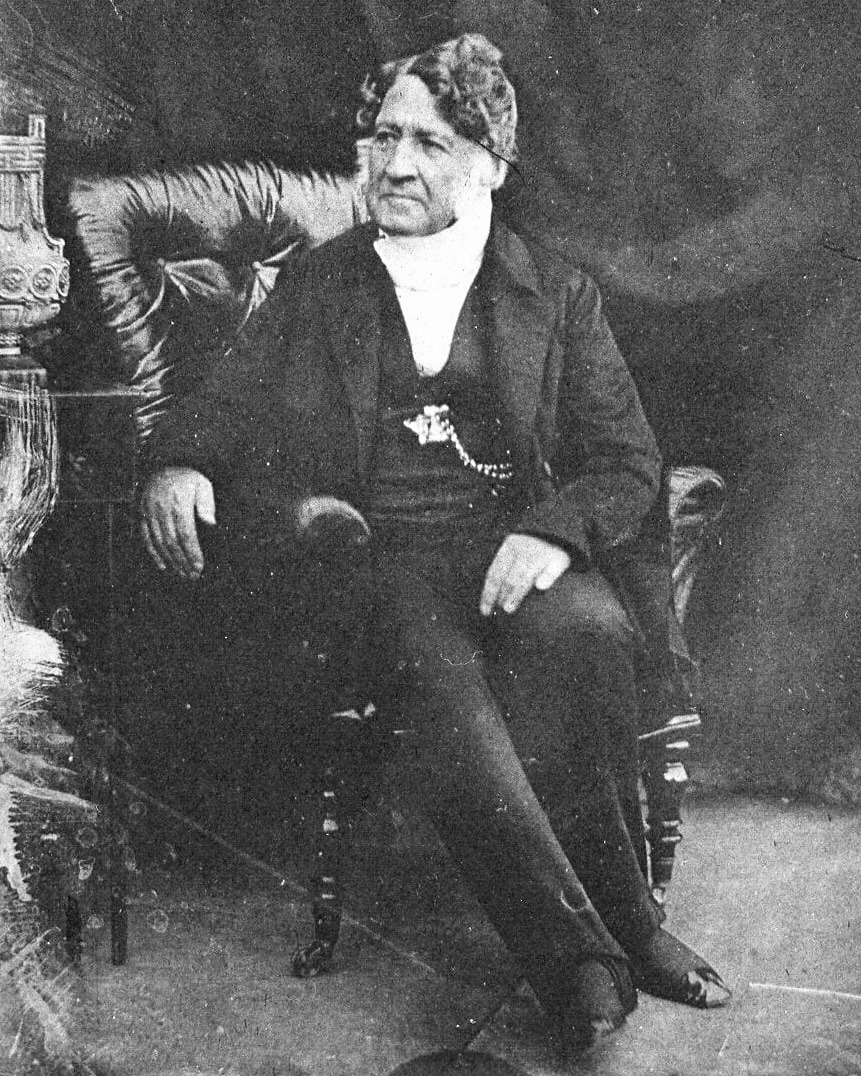
Luigi Filippo di Francia, also known as Louis-Philippe I, was a significant figure in French history, known for his unique role as the “Bourgeois King” during a turbulent period in French politics. His life, characterized by dramatic shifts in fortune and political turmoil, reflects the complexities of early 19th-century European history. This comprehensive exploration delves into his early life, rise to power, reign, and eventual downfall, providing a detailed perspective on his impact and legacy.
Early Life and Background
Luigi Filippo, born on October 6, 1773, in Paris, was the first son of Louis-Philippe Joseph d’Orléans (known as Philippe Égalité) and Louise Marie of Bourbon-Penthièvre. His father was a prominent figure during the French Revolution, known for his radical support of revolutionary ideas, which contrasted sharply with the rest of the French nobility. Luigi Filippo’s early exposure to revolutionary politics and the subsequent upheaval profoundly influenced his life.
The Revolutionary Era
At just seventeen, Luigi Filippo joined the Jacobin Club, aligning himself with his father’s revolutionary stance. This early involvement in revolutionary activities set the stage for his later political career. His commitment to the revolutionary cause was evident when he fought in the Army of the North under General Charles François du Périer, known as Dumouriez. However, as Dumouriez shifted to a counter-revolutionary stance, Luigi Filippo and his father fled to Austria, resulting in the confiscation of their properties in France.
Exile and Marriage
During his exile, Luigi Filippo’s journey took him to various countries, including Switzerland, the United States, and eventually Sicily. In 1809, he married Maria Amelia of the Two Sicilies, the daughter of King Ferdinand IV. This marriage was strategically advantageous, helping him reconcile with the main branch of the Bourbon family and re-establish his position within European nobility.
In 1814, Luigi Filippo returned to Paris amid the political changes following Napoleon’s downfall. He was welcomed enthusiastically by the liberal party as a potential alternative to the fragile Bourbon restoration under King Charles X. His return was marked by the restoration of his confiscated properties and substantial compensation.
Ascendancy to the Throne
The July Revolution of 1830 marked a turning point in Luigi Filippo’s career. The revolution led to the deposition of Charles X, and the revolutionary leaders, including Lafayette, saw Luigi Filippo as a viable candidate for the throne. His reputation as a liberal and his desire to avoid a republic influenced this decision. On August 7, 1830, Luigi Filippo was proclaimed King of the French by the Parliament, taking the name Louis-Philippe I.
The Significance of “King of the French”
The title “King of the French” rather than “King of France” was a deliberate choice, reflecting a shift in the concept of monarchy. It emphasized that the king’s authority derived from the people rather than divine right or hereditary monarchy. This change was embodied in the new constitution, which vested sovereignty in the French people rather than in the monarch.
Reign and Political Policies
The “Bourgeois Monarchy”
Louis-Philippe’s reign, often termed the “Bourgeois Monarchy,” was characterized by his alignment with the burgeoning bourgeoisie, including bankers and industrialists. His policies favored conservative economic and social reforms that appealed to the middle class but alienated other political factions. This alignment earned him the nickname “the Bourgeois King” and created significant opposition from republicans, constitutional liberals, Bonapartists, socialists, and communists.
Challenges and Controversies
During his reign, Louis-Philippe faced numerous challenges, including political assassinations and unrest. One of the most notable incidents was the attempted assassination on July 28, 1835, by the Corsican revolutionary Giuseppe Marco Fieschi. Fieschi’s improvised weapon, a rudimentary machine gun with 28 barrels, killed several people during a military parade. Although Louis-Philippe survived, the attack highlighted the increasing discontent with his regime.
Louis-Philippe’s foreign policy failures and internal unrest further eroded his support. His government’s inability to manage workers’ grievances led to widespread discontent and eventually contributed to his downfall.
The Fall of Louis-Philippe
The Revolution of 1848
The Revolution of 1848 was a culmination of the various socio-political issues that plagued Louis-Philippe’s reign. On November 23, 1848, facing mounting pressure and unrest, Louis-Philippe abdicated the throne in favor of his nephew, Louis-Philippe, Count of Paris, who was styled as Louis-Philippe II and later as Philippe VII. This abdication marked the end of the July Monarchy and the beginning of the Second French Republic.
Final Years and Death
Following his abdication, Louis-Philippe fled to England. He spent his final years in relative obscurity, residing at Claremont House. He died on August 26, 1850, at the age of 77. His death marked the end of a complex and turbulent chapter in French history.
Legacy and Historical Context
Historical Impact
Louis-Philippe’s reign was a period of significant transformation in France. His monarchy represented a compromise between revolutionary ideals and traditional monarchy, reflecting the changing political landscape of the time. His alignment with the bourgeoisie and conservative policies highlighted the evolving dynamics of power and class in 19th-century France.
Family and Influence
Louis-Philippe’s family continued to influence French and European politics long after his reign. His sons and grandchildren remained involved in various political and social roles, reflecting the enduring legacy of the Orléans family in French history.
Conclusion
Louis-Philippe I, the “Bourgeois King,” remains a fascinating figure in French history. His reign, characterized by its unique political stance and the challenges he faced, offers valuable insights into the complexities of early 19th-century European politics. From his rise to power to his eventual abdication and exile, Louis-Philippe’s life encapsulates the dramatic shifts and struggles of his time, making him a significant historical figure with a lasting legacy.


