
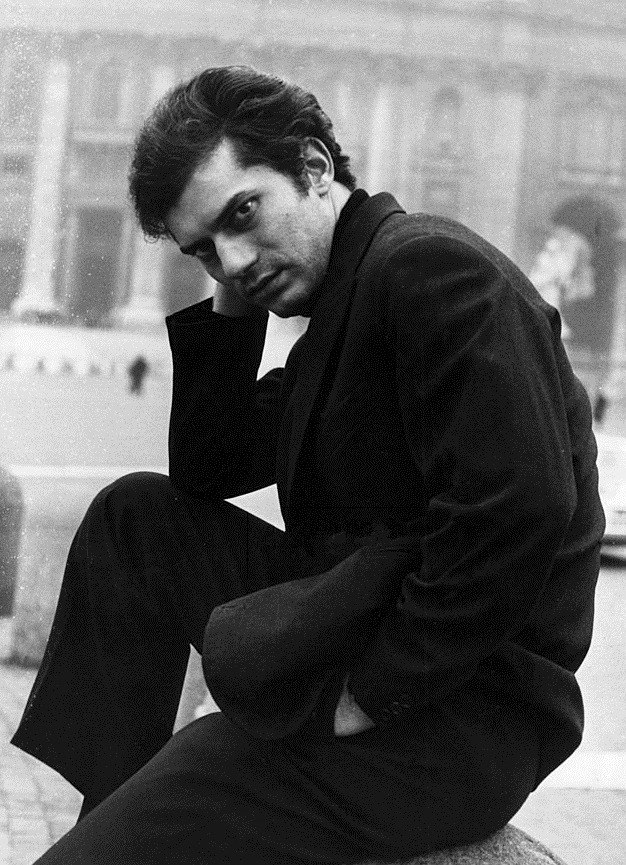
Luigi Tenco, born on March 21, 1938, in Cassine, a small town in the province of Alessandria, Italy, remains one of the most enigmatic and influential figures in Italian music history. His life, tragically cut short at the age of 28, has become a symbol of the struggles faced by artists who seek to balance authenticity with the pressures of commercial success. Tenco’s legacy, defined by his haunting melodies and introspective lyrics, continues to resonate with audiences decades after his death. This article explores the life of Luigi Tenco, delving into his early years, musical career, the circumstances surrounding his untimely death, and the enduring impact of his work.
Early Life and Musical Beginnings
Luigi Tenco was born into a family with a deep appreciation for music. From a young age, he was exposed to a variety of musical genres, which helped shape his eclectic taste. Tenco spent much of his childhood in Liguria, a region known for its vibrant cultural scene. It was here that he developed a passion for jazz, which would later influence his own musical style.
As a teenager, Tenco moved to Genoa, where he became part of the burgeoning music scene that included future luminaries such as Fabrizio De André, Bruno Lauzi, and Gino Paoli. These artists, who would later be recognized as part of the “Genoa School” of Italian singer-songwriters, shared a commitment to creating music that was both artistically ambitious and socially relevant.
Tenco’s early musical endeavors were rooted in jazz. He formed a band called the Jelly Roll Boys Jazz Band, named after one of his musical idols, Jelly Roll Morton. Tenco’s love for jazz was evident in his early compositions, which often featured complex harmonies and unconventional chord progressions. His musical influences extended beyond jazz to include American artists such as Chet Baker, Gerry Mulligan, and Paul Desmond, whose work inspired Tenco to explore the emotional depth that music could convey.
The Rise of a Troubled Artist
Tenco’s official entry into the music industry came in 1959 when he released his first singles, “Mai” and “Mi chiedi solo amore.” These early recordings, while not commercially successful, showcased Tenco’s unique voice and his ability to write lyrics that were both poetic and poignant. His music was characterized by a deep sense of melancholy, a reflection of the emotional turmoil that would later define his life and work.
During the early 1960s, Tenco began to gain recognition as a singer-songwriter with a distinct artistic vision. He signed with the Ricordi label, for which he recorded several singles and an album simply titled “Luigi Tenco.” Some of his most well-known songs from this period include “Mi sono innamorato di te” and “Io sì,” both of which highlight Tenco’s ability to express complex emotions through simple, yet powerful, melodies.
Despite his growing popularity, Tenco struggled with the demands of the music industry. He was deeply committed to maintaining artistic integrity, often resisting pressure to conform to the more commercial styles that were popular at the time. This tension between his desire for authenticity and the expectations of the market would become a central theme in Tenco’s career.
A Voice for Social Change
While many of Tenco’s early songs dealt with themes of love and heartbreak, he was also deeply concerned with social issues. This was evident in his later work, which often addressed topics such as inequality, alienation, and the struggles of everyday people. Tenco’s social conscience set him apart from many of his contemporaries, who were more focused on producing light, commercial music.
One of Tenco’s most significant contributions to Italian music was his ability to blend personal and political themes in his songs. Tracks like “Vita sociale,” “Hobby,” and “Giornali femminili” offer a critique of societal norms and the superficiality of modern life. These songs, which were often overshadowed by his more popular love ballads, reveal Tenco’s deep dissatisfaction with the status quo and his desire to use music as a tool for social commentary.
Tenco’s commitment to addressing social issues in his music culminated in his decision to participate in the 1967 Sanremo Music Festival, Italy’s most prestigious music competition. He entered the festival with the song “Ciao amore ciao,” a haunting ballad that reflects the despair and disillusionment of those who feel trapped by the demands of modern society. The song, with its poignant lyrics and understated arrangement, was a stark contrast to the more upbeat and conventional entries typically favored by the festival’s audience.
The Tragic End at Sanremo
The events surrounding Luigi Tenco’s death at the Sanremo Music Festival remain one of the most tragic episodes in Italian music history. On the night of January 26, 1967, after his song “Ciao amore ciao” was eliminated from the competition, Tenco was found dead in his hotel room. A suicide note was discovered beside his body, in which he expressed his despair over the music industry’s failure to appreciate true art and his frustration with the commercialization of music.
The note read: “I have loved the Italian public and dedicated five years of my life to them in vain. I am doing this not because I am tired of life (far from it), but as an act of protest against a public that is sending ‘Io, tu e le rose’ to the final, and against the commission that selected ‘La rivoluzione’. I hope it serves to clear someone’s conscience.”
Tenco’s death shocked the nation and sparked widespread debate about the pressures faced by artists in the entertainment industry. Some speculated that his death was a protest against the superficiality of the music business, while others believed it was the result of a deep-seated personal crisis. The exact circumstances of his death have remained a topic of speculation, with some suggesting that foul play may have been involved. However, the official ruling was that Tenco had taken his own life.
Posthumous Recognition and Legacy
In the years following his death, Luigi Tenco’s music gained a new level of appreciation. Songs that had been overlooked during his lifetime were re-evaluated, and Tenco was recognized as one of the most important figures in Italian music. His work has since been covered by numerous artists, and his influence can be seen in the music of later generations of Italian singer-songwriters.
Tenco’s legacy is one of artistic integrity and emotional depth. He was a pioneer in blending popular music with serious lyrical content, and his songs continue to resonate with listeners who appreciate music that speaks to the human condition. His life and work have been the subject of numerous books, documentaries, and films, all of which seek to understand the man behind the music.
In December 2005, the case of Luigi Tenco’s death was reopened by the Sanremo prosecutor’s office. His body was exhumed, and further investigations were conducted in an attempt to clarify the circumstances of his death. However, the official cause of death remained suicide, and the mystery surrounding his final moments continues to fuel interest in his life and legacy.
The Enduring Appeal of Luigi Tenco’s Music
What makes Luigi Tenco’s music so enduring is its timeless quality. His songs, whether they address love, loss, or social issues, are characterized by a deep sense of sincerity. Tenco’s ability to convey raw emotion through his music has ensured that his work remains relevant, even decades after his death.
One of Tenco’s most famous songs, “Mi sono innamorato di te,” exemplifies his skill in crafting melodies that are both simple and profound. The song’s lyrics, which speak of the inevitability of falling in love, are delivered with a sense of vulnerability that is rare in popular music. This ability to tap into universal emotions is one of the reasons why Tenco’s music continues to resonate with audiences today.
In addition to his more famous love songs, Tenco’s socially conscious work has also gained recognition in recent years. Songs like “Ciao amore ciao,” with its critique of modern society, and “Vita sociale,” which addresses the pressures of conforming to social norms, are seen as ahead of their time. These songs reflect Tenco’s deep concern with the state of the world and his desire to use his music to effect change.
Conclusion
Luigi Tenco’s life and career were marked by a profound sense of artistic integrity and a desire to remain true to his vision. Despite the commercial pressures and personal struggles he faced, Tenco remained committed to creating music that was both meaningful and authentic. His untimely death at the Sanremo Music Festival was a tragic loss for Italian music, but it also served to highlight the challenges faced by artists in an industry that often prioritizes commercial success over artistic expression.
Today, Luigi Tenco is remembered not only as a talented singer-songwriter but also as a symbol of the struggles faced by artists who seek to balance their creative vision with the demands of the market. His music, characterized by its emotional depth and lyrical sophistication, continues to inspire new generations of musicians and listeners alike.
As we reflect on Tenco’s life and legacy, it is clear that his work remains as relevant today as it was during his lifetime. His ability to convey the complexities of the human experience through song ensures that his music will continue to be cherished by those who value artistry, authenticity, and emotional truth.
Luigi Tenco’s story is a reminder of the power of music to touch our hearts, challenge our minds, and reflect the world around us. His legacy as an artist who was unafraid to speak his truth, even in the face of adversity, is one that will endure for years to come.


