
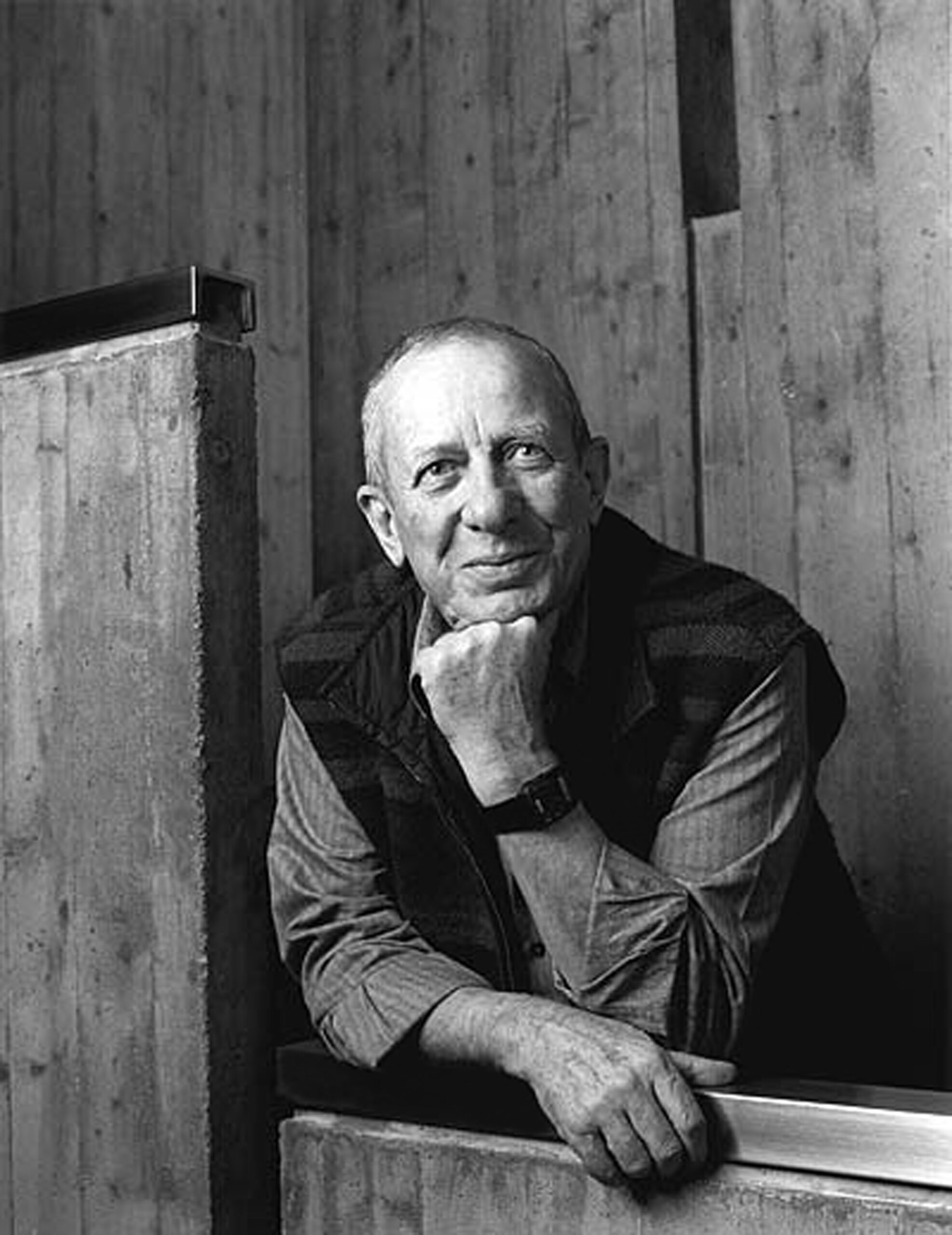
Luigi Veronelli stands as one of the most influential figures in the world of gastronomy and wine, leaving a profound legacy that continues to shape these fields today. Born on February 2, 1926, in Milan, Veronelli’s contributions to the culinary and wine industries, as well as his political and philosophical beliefs, have made him a revered figure in Italy and beyond. His life was marked by a deep commitment to promoting authentic and high-quality food and wine, while also championing the rights of small producers and advocating for anarchist principles.
Early Life and Philosophical Foundations
Luigi Veronelli’s early years were deeply rooted in Milan, where he was born and raised in the vibrant Isola district. His academic journey began with the study of philosophy, a discipline that would shape much of his thinking and approach to life. Veronelli was an ardent student of philosophy, eventually becoming an assistant to Giovanni Emanuele Barié, a noted philosopher, for the course in theoretical philosophy.
During this time, Veronelli also developed a strong political consciousness, declaring himself an anarchist—a belief system he adhered to throughout his life. His philosophical outlook was heavily influenced by the teachings of Benedetto Croce, one of Italy’s most prominent philosophers. Veronelli’s anarchist ideals were reflected in his later work, where he consistently advocated for the freedom and rights of individuals, particularly small-scale food and wine producers.
The Foray into Publishing
In 1956, Luigi Veronelli ventured into the world of publishing, a move that would set the stage for his future influence in gastronomy and wine. He launched several magazines, including Il Gastronomo, Il Pensiero, and I Problemi del Socialismo. These publications reflected his diverse interests, ranging from culinary arts to social and political issues.
A year later, Veronelli took a bold step by publishing Historiettes, contes et fabliaux by the Marquis de Sade, and La Questione Sociale by Pierre-Joseph Proudhon, a founding figure in anarchism. This move was not without controversy. Veronelli was condemned to three months in prison on charges of pornography due to the publication of de Sade’s work, a stark reminder of the conservative social climate of the time. Despite the challenges, this period marked the beginning of Veronelli’s journey as a provocateur and a champion of free expression.
Journalism and Rise to Fame
In 1962, Luigi Veronelli began his long and illustrious career in journalism by joining Il Giorno, a Milan-based newspaper. His writing quickly gained attention for its unique style, blending provocative insights with a rich, almost poetic use of language. Veronelli’s columns were not confined to gastronomy and wine; they also explored broader cultural and social themes, reflecting his deep philosophical background.
Over the years, Veronelli’s work appeared in numerous prestigious publications, including Corriere della Sera, L’Espresso, Panorama, and The European. His articles were distinguished by their depth of knowledge, as well as his use of arcane terms and neologisms, making them not only informative but also intellectually stimulating. Veronelli’s ability to elevate the discourse around food and wine to a level of cultural and intellectual significance was one of his key contributions to the field.
Television and Popularization of Wine Culture
The 1970s and 1980s saw Luigi Veronelli become a familiar face on Italian television, further expanding his influence. He co-hosted the popular show A Tavola Alle 7, initially with Umberto Orsini and Delia Scala, and later with the iconic Ave Ninchi. The show played a significant role in popularizing Italian cuisine and wine, bringing Veronelli’s insights into households across the country.
In 1979, Veronelli embarked on what would become one of his most significant projects: Viaggio Sentimentale Nell’Italia dei Vini (A Sentimental Journey Through Italy’s Wines). This series of travels and reports not only provided an in-depth look at the state of Italian viticulture but also highlighted the challenges faced by small producers in an industry increasingly dominated by large corporations. Veronelli’s work during this period was marked by his characteristic blend of passionate advocacy, sharp criticism, and a deep love for Italian culture and tradition.
Advocacy for Small Producers and Legal Troubles
Luigi Veronelli’s commitment to defending small producers often put him at odds with the establishment. In the 1980s, he was arrested and sentenced to six months in prison for inciting farmers in Piedmont to revolt. The farmers, frustrated by what they saw as neglect from the government, had occupied highways and the Asti train station in protest. Veronelli’s role in encouraging this act of civil disobedience was consistent with his lifelong anarchist beliefs and his opposition to the encroachment of large corporations on local agriculture.
Veronelli’s advocacy extended beyond mere rhetoric. He was actively involved in promoting De.Co. (Denominazioni Comunali), local designations aimed at protecting the authenticity and origin of food and wine products. He also campaigned against the monopolization of the olive oil industry by large multinationals, arguing for the rights of small olive growers who were being squeezed by unfair regulations and market practices.
The Legacy of Veronelli’s Publishing Efforts
Throughout his life, Luigi Veronelli remained deeply involved in publishing. His works include seminal books such as I Vignaioli Storici (The Historic Winemakers), Il Vino Giusto (The Right Wine), and Alla Ricerca dei Cibi Perduti (In Search of Lost Foods). These publications were more than just guides; they were manifestos for a way of life that valued authenticity, tradition, and the dignity of labor.
Veronelli also collaborated with renowned gastronomist Luigi Carnacina on several influential books, including Il Carnacina and La Cucina Italiana. These works helped to codify and promote Italian culinary traditions, ensuring that they would be preserved and passed on to future generations.
In the late 1980s, Veronelli founded the Veronelli Editore publishing house, dedicated to the study and promotion of Italy’s gastronomic heritage. The company published a wide range of guides and catalogs, including those dedicated to Italian wines, spumanti (sparkling wines), champagne, olive oil, and spirits. These publications became essential resources for both professionals and enthusiasts, further cementing Veronelli’s reputation as a leading authority in the field.
The Anarchist Enologist: Philosophy and Activism
Luigi Veronelli was more than just a gastronome and wine critic; he was an intellectual and activist who used his platform to advocate for social change. His philosophy was deeply rooted in anarchism, which he described as a commitment to freedom, individual rights, and the rejection of authoritarianism. This perspective informed his work in the food and wine industries, where he consistently championed the rights of small producers and fought against the dominance of multinational corporations.
In his later years, Veronelli became involved with the Terra e Libertà/Critical Wine movement, which he co-founded with several social centers, including the Leoncavallo in Milan and La Chimica in Verona. This movement aimed to promote sustainable and ethical practices in wine production, challenging the industrialization of agriculture and advocating for a return to more traditional, environmentally friendly methods.
Veronelli also supported the concept of the prezzo-sorgente (source price), which called for transparency in the pricing of food and wine products. He argued that consumers had the right to know the true cost of production, free from the distortions of middlemen and excessive markups. This idea was part of his broader commitment to ensuring that the benefits of economic activity were shared fairly, rather than concentrated in the hands of a few.
Final Years and Lasting Impact
Luigi Veronelli passed away on November 29, 2004, in Bergamo at the age of 78. His death marked the end of an era, but his influence lives on. Veronelli left behind a rich legacy of writings, ideas, and practices that continue to inspire those in the fields of gastronomy, enology, and beyond.
In 2009, a conference titled Veronelli Politico was held to explore his political thought and its impact on his work. Organized by the “Cellula Veronelli,” the event featured contributions from journalists, anarchists, and scholars who discussed the enduring relevance of Veronelli’s ideas, particularly his critiques of capitalism and his advocacy for localism and sustainability.
Veronelli is remembered as a pioneering figure who brought a new level of intellectual rigor to the study of food and wine. He was a visionary who saw the connections between gastronomy, culture, politics, and economics long before these ideas became mainstream. His work laid the foundation for the modern appreciation of terroir, the concept that the quality and character of food and wine are deeply connected to the place where they are produced.
Conclusion
Luigi Veronelli was a man of many talents and passions. His contributions to the world of food and wine are immeasurable, but perhaps even more important was his commitment to the principles of freedom, authenticity, and justice. Through his writing, activism, and personal philosophy, Veronelli challenged the status quo and inspired others to think critically about the world around them. His legacy continues to influence the fields of gastronomy and enology, and his ideas remain relevant to anyone who values quality, tradition, and the right to live and work with dignity.


