
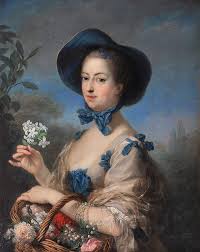
Madame de Pompadour, born Jeanne-Antoinette Poisson, remains one of the most fascinating figures of 18th-century France. Her life, marked by her rise from a bourgeois background to becoming the official mistress and confidante of King Louis XV, reflects a unique blend of personal charm, political acumen, and cultural influence. This comprehensive exploration delves into her age, fame, significant life highlights, and the historical context that shaped her legacy.
Early Life and Background
Jeanne-Antoinette Poisson was born on December 29, 1721, in Paris. Her mother, Luise Madeleine de La Motte, was a wealthy bourgeois heiress, while her father, François Poisson, was not recognized as her biological father. Raised primarily in a convent, she was educated in an environment that fostered her intellectual curiosity and social skills. Her early exposure to Parisian salons introduced her to the artistic and philosophical currents of the time, laying the groundwork for her future influence.
Ascension to Power
Madame de Pompadour’s entry into the royal court was both dramatic and strategic. At a ball celebrating the marriage of the Dauphin, Louis Ferdinand of Bourbon to Maria Teresa Raffaella of Spain, she met King Louis XV. Captivating him with her charm and intelligence, she became his mistress. On July 11, 1745, she was formally given the title of Marquise de Pompadour, officially becoming the king’s “maîtresse-en-titre” or official mistress.
Her formal introduction to the court on September 14, 1745, was met with a mix of scandal and acceptance. Despite resistance from the queen and other members of the royal family, Madame de Pompadour quickly established herself as a significant political and cultural force.
Political Influence
Madame de Pompadour’s influence extended far beyond her romantic relationship with the king. She became a pivotal figure in French politics, using her position to sway decisions on appointments and alliances. Her role was instrumental in the realignment of France’s international alliances. Notably, she played a crucial role in the formation of an alliance between France and the Holy Roman Empire, culminating in the 1770 marriage of the Dauphin Louis-Auguste to Archduchess Marie Antoinette of Austria.
Her political maneuvering was not without controversy. Critics, including members of the court and political opponents, often blamed her for military and political failures. The aftermath of the War of Austrian Succession and the unfavorable peace treaty of Aix-la-Chapelle (1748) was often attributed to her influence, though these claims were as much a reflection of her political enemies’ efforts to discredit her as they were of actual failures.
Patronage of the Arts
One of Madame de Pompadour’s most enduring legacies is her patronage of the arts. She had a profound influence on French culture, supporting theater, painting, and music. Her fondness for theatrical performances led her to organize a company, with the Duke de La Vallière as its general director. Under her patronage, plays by Voltaire and other playwrights were performed, showcasing her support for contemporary writers and artists.
Madame de Pompadour was also a significant supporter of the Encyclopédie, a monumental work edited by Denis Diderot and Jean le Rond d’Alembert. Her support for the Enlightenment ideas presented in the Encyclopédie was both a personal passion and a strategic political move, aligning her with the intellectual currents of the time while simultaneously attempting to preserve the monarchy’s influence.
Controversies and Challenges
Despite her many achievements, Madame de Pompadour faced significant opposition. Her enemies within the court and beyond criticized her involvement in political matters and her perceived control over the king. Accusations and satirical portrayals in literature and pamphlets attacked her character and her influence over Louis XV.
In 1748, with the arrival of the Duke of Richelieu at court, hopes were high among her detractors that he would challenge her dominance. However, Richelieu’s own moral failings and scandalous behavior undermined these efforts. The ongoing criticisms and attacks against Madame de Pompadour were a testament to the contentious and often ruthless nature of court politics.
Legacy and Death
Madame de Pompadour’s influence waned over time, particularly as her romantic relationship with Louis XV cooled. Nevertheless, she remained an essential advisor and confidante. In 1750, she was granted the title of Duchess, and even after their romantic relationship ended, she continued to exert considerable influence as a political advisor.
Her diplomatic efforts were crucial in the lead-up to the Seven Years’ War, particularly in negotiating the 1756 Treaty of Versailles with Austria. This treaty marked a significant shift in European alliances, though it would later prove costly for France.
Jeanne-Antoinette Poisson died on April 15, 1764, at the age of 42, due to acute pulmonary edema. Her death was marked by a poignant comment from Louis XV, reflecting on the finality of her passing and her impact on his life.
Cultural Impact
Madame de Pompadour’s legacy extends beyond her political and artistic contributions. She is referenced in literature and culture, including satirical works by Thomas Mann. Her name has also been immortalized in fashion, notably in the Pompadour hairstyle and Pompadour heels, which reflect the enduring influence of her style and persona.
Conclusion
Madame de Pompadour’s life was a blend of personal charisma, political acumen, and cultural influence. Her role as a royal mistress transformed her into a central figure in 18th-century French politics and culture. Her contributions to the arts, her political maneuvers, and her enduring legacy in fashion and literature highlight the complexity and impact of her life.
Her story remains a compelling example of how personal relationships and political power can intertwine to shape the course of history. As both a patron of the Enlightenment and a key player in French diplomacy, Madame de Pompadour’s life offers valuable insights into the interplay between personal ambition and political strategy in shaping historical events.


