
Introduction
Madre Teresa di Calcutta, born Gonxha Agnes Bojaxhiu on August 26, 1910, in Skopje, then part of the Ottoman Empire (now North Macedonia), is renowned worldwide for her extraordinary humanitarian work. Her name evokes images of selfless compassion and relentless dedication to the impoverished. This article delves into her life, exploring her rise to fame, her contributions to global humanitarian efforts, and the enduring legacy of her work.
Early Life and Religious Calling
Madre Teresa was born into an Albanian family with strong Catholic beliefs. Her upbringing was deeply influenced by her family’s devout Christianity. At the age of 18, she joined the Sisters of Loreto in Dublin, Ireland, where she began her journey as a nun. It was during this period that she was profoundly inspired by the teachings of St. Ignatius of Loyola, which influenced her commitment to helping those in need.
In 1929, Madre Teresa was sent to Darjeeling, India, to begin her novitiate with the Sisters of Loreto. Here, she started her teaching career, educating poor local girls while also pursuing her personal studies to become a qualified teacher. However, the dire poverty she witnessed in Calcutta profoundly impacted her, leading to her decision to dedicate her life entirely to serving the destitute.
Founding of the Missionaries of Charity
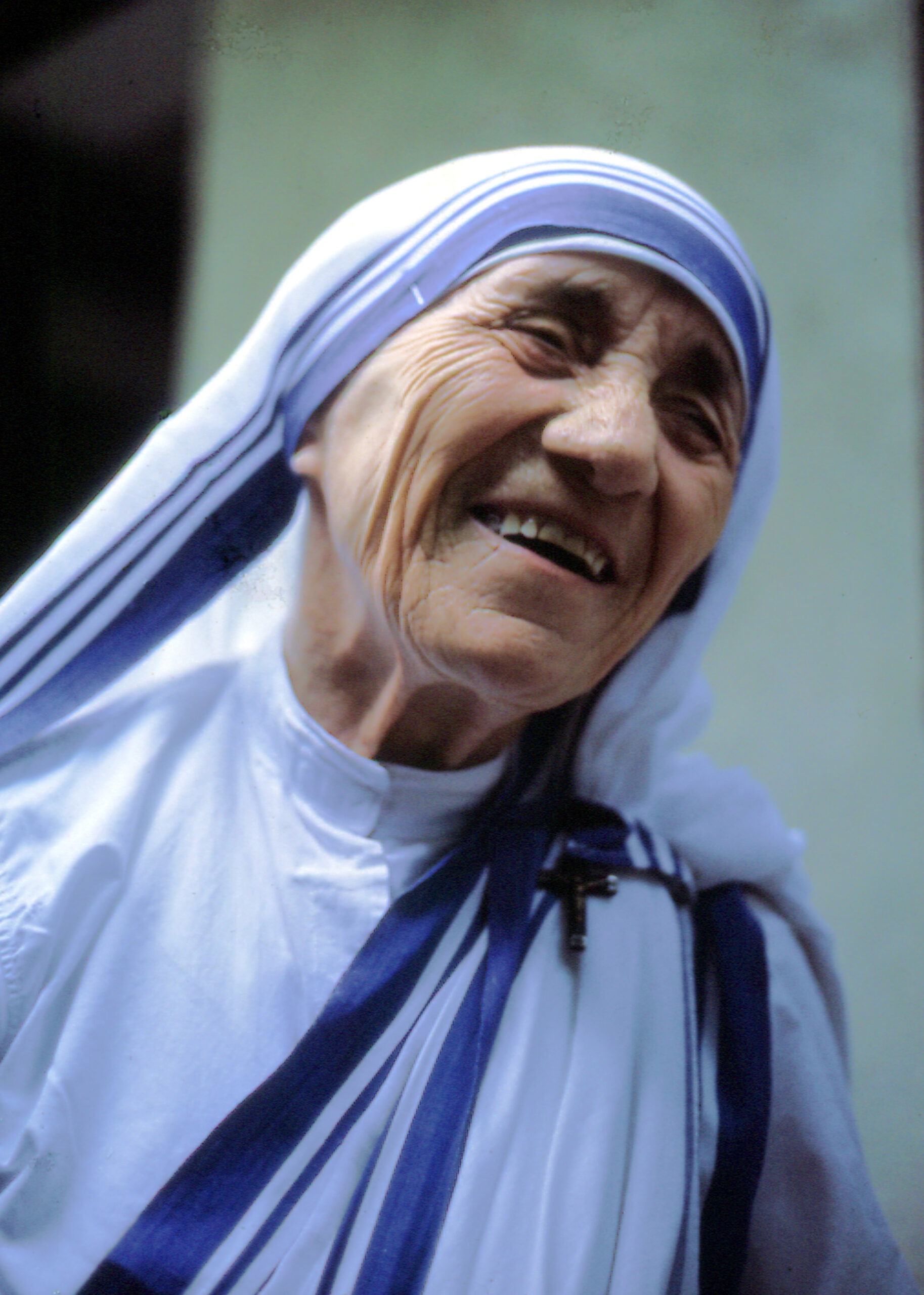
On September 10, 1946, while praying, Madre Teresa felt a divine calling to leave her convent and work directly among the poorest of the poor. This revelation prompted her to seek permission from the Vatican to live outside the convent and engage in her new mission. By August 16, 1947, she donned the iconic white sari with blue borders, symbolizing her new commitment.
Madre Teresa’s work began with the establishment of the Missionaries of Charity. Her first task was to provide care for the sick and dying in Calcutta, where she found people suffering in the streets and dying without proper medical attention. Her efforts led to the creation of several institutions, including a home for the dying and a center for abandoned children, providing them with the basic necessities of life and a chance at salvation.
Global Expansion and Impact
Throughout the 1950s and 1960s, Madre Teresa’s mission expanded beyond India. Her work reached various dioceses across India and extended to other countries, including Venezuela and Rome, after Pope Paul VI requested her presence in the Italian capital. Her mission also spread to war-torn regions such as Bangladesh, where she worked to support victims of violence and pregnancy-related issues.
In 1979, Madre Teresa received the Nobel Peace Prize, a testament to her dedication to humanitarian work. The prize money was donated to the poor of Calcutta, reflecting her commitment to her cause over personal gain. Her organization continued to grow, establishing numerous houses and missions worldwide, even in countries previously inaccessible to missionaries.
Philosophy and Legacy
Madre Teresa’s philosophy was deeply rooted in her Christian faith. She believed in serving Christ through service to the poor, seeing every act of kindness as a reflection of divine love. Her approach was not just about providing physical aid but also about offering emotional and spiritual support to those in distress.
Her teachings emphasized the importance of love and joy in service. She often spoke about how joy and prayer were intertwined, suggesting that true happiness comes from serving others selflessly. Madre Teresa encouraged people to practice charity in their everyday lives, urging them to extend compassion to those around them.
Recognition and Beatification
Madre Teresa’s impact was recognized globally, leading to her beatification on October 19, 2003, by Pope John Paul II, and later, her canonization on September 4, 2016, by Pope Francis. Her rapid beatification process reflected the profound admiration and respect she garnered during her lifetime. Her canonization solidified her status as a saint and a symbol of selfless service.
Conclusion
Madre Teresa di Calcutta’s life and work remain a powerful testament to the impact of compassion and dedication. From her humble beginnings in Skopje to becoming a global icon of humanitarianism, her legacy continues to inspire countless individuals and organizations. Her life serves as a reminder of the profound difference one person can make through unwavering commitment to helping others.
Her story is not just a chronicle of achievements but also a profound reflection on the values of love, faith, and service. Madre Teresa’s enduring influence is felt across the world, making her an eternal symbol of hope and charity.


