
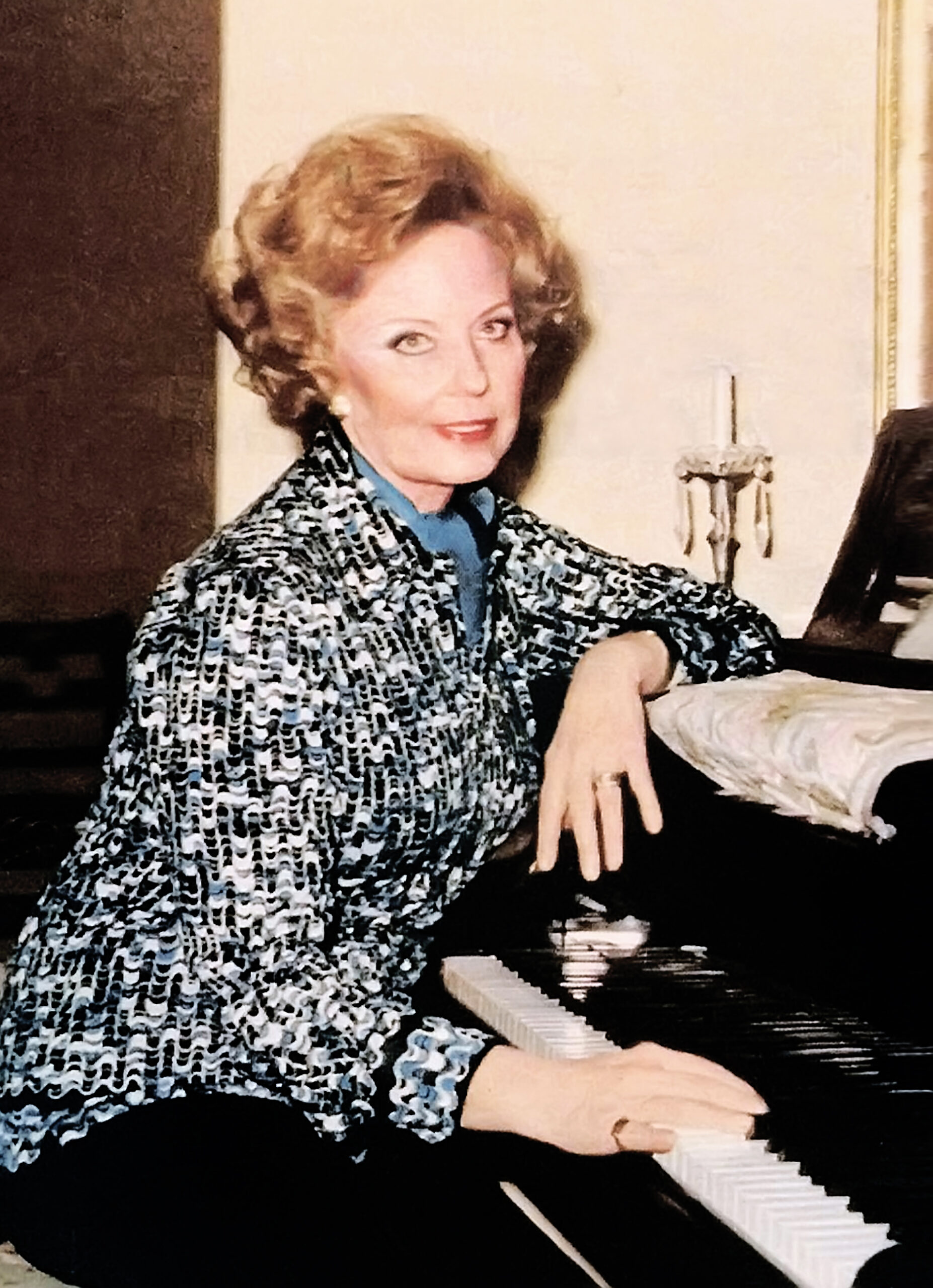
Magda Olivero, born on March 25, 1910, in Saluzzo, Italy, is revered as one of the most distinguished sopranos of the 20th century. Her career, which spanned nearly 50 years, was marked by extraordinary vocal longevity and a deep commitment to her art. Despite facing numerous challenges early in her career, Olivero rose to become a leading figure in the world of opera, celebrated for her powerful voice, expressive interpretations, and enduring legacy. This article delves into Magda Olivero’s age, fame, and life highlights, offering detailed insights into the remarkable life of this opera legend.
Early Life and Musical Beginnings
Magda Olivero was born into a musical family in the Piedmont region of Italy. Her father, a magistrate with a passion for melodrama, had once been an amateur tenor. It was his love for music that sparked young Magda’s interest in the arts. She began studying piano at the tender age of six, demonstrating an early aptitude for music. However, it was her voice that would eventually capture the attention of her family and teachers.
Despite her natural talent, Olivero’s early experiences with vocal training were far from promising. Her powerful but unrefined voice proved difficult for her early instructors to manage, leading some to advise her to abandon her dreams of becoming a singer. Disheartened, Olivero considered giving up on a career in music. However, fate intervened when a family friend arranged for her to have a radio audition. Although the audition itself was a humbling experience, it led to a fateful meeting with Luigi Gerussi, a demanding and sometimes harsh vocal coach who would become her first significant mentor.
Under Gerussi’s rigorous tutelage, Olivero learned to control her voice, developing the technical skill and emotional depth that would define her career. She made her operatic debut in 1932 in Turin, and her performance was so well received that within a year, she was invited to perform at La Scala in Milan, one of the most prestigious opera houses in the world.
Career Highlights and International Acclaim
Magda Olivero’s career took off rapidly after her debut, and she quickly became known for her performances in some of the most demanding roles in the operatic repertoire. By the early 1940s, she was a regular presence on the stages of Italy’s most important opera houses, including La Scala, the Teatro Regio di Torino, and the Teatro dell’Opera di Roma.
In 1941, Olivero married Italian-German industrialist Aldo Busch and made the surprising decision to retire from the stage to focus on her family life. For nearly a decade, she remained absent from the opera world, a period during which many thought her career had ended for good. However, in 1951, she was persuaded to return to the stage by none other than Francesco Cilea, the composer of Adriana Lecouvreur. Cilea, who considered Olivero the ideal interpreter of the title role, personally urged her to perform the opera once again before his death.
Olivero’s return to the stage in Adriana Lecouvreur was nothing short of triumphant. Her portrayal of the tragic heroine was widely acclaimed, and she became closely associated with the role throughout the remainder of her career. This comeback marked the beginning of a new chapter in Olivero’s career, one that would see her performing at the highest levels of the operatic world for several more decades.
Throughout the 1950s and 1960s, Olivero continued to build on her reputation as one of the finest sopranos of her generation. She was particularly admired for her interpretations of roles in operas by Giacomo Puccini, Pietro Mascagni, and Giuseppe Verdi. Her performances in operas such as La Bohème, Madama Butterfly, and La Traviata were lauded for their emotional intensity and technical brilliance.
In 1967, at the age of 57, Olivero made her United States debut in a production of Luigi Cherubini’s Medea. The performance was met with critical acclaim, and it paved the way for further engagements in the U.S., including her debut at the New York Philharmonic in 1971. In 1975, at the age of 65, Olivero made her debut at the Metropolitan Opera in New York, singing the role of Tosca in Puccini’s Tosca. Her performance was a resounding success, further solidifying her status as a living legend of the opera world.
Vocal Longevity and Unique Interpretative Style
One of the most remarkable aspects of Magda Olivero’s career was her vocal longevity. Even as she approached her 70s, Olivero’s voice remained powerful, clear, and expressive—a testament to her technical skill and disciplined approach to her craft. Her ability to sustain such a high level of performance over several decades is virtually unparalleled in the history of opera.
Olivero’s interpretative style was characterized by its emotional depth and dramatic intensity. She was known for her ability to convey the inner lives of her characters with remarkable nuance, using her voice not just to sing the notes, but to express the full range of human emotions. This combination of technical prowess and emotional expressiveness made her performances deeply moving and memorable.
In addition to her mastery of the standard operatic repertoire, Olivero was also known for her willingness to explore less familiar works. She had a particular affinity for roles that allowed her to blend singing with acting, and she often sought out operas that offered rich dramatic possibilities. Her performances in lesser-known works, such as Zandonai’s Francesca da Rimini and Poulenc’s La Voix Humaine, were particularly well-received and demonstrated her versatility as an artist.
Life Beyond the Stage
Despite her fame, Magda Olivero was known for leading a relatively private life. She avoided the trappings of celebrity, preferring instead to focus on her art and her close relationships with family, friends, and fans. Olivero was known for her humility and kindness, and she maintained long-standing correspondences with many of her admirers, offering them insights into her life and career.
Olivero’s recording legacy, while not as extensive as some of her contemporaries, includes several notable works. She recorded only a handful of complete operas, including Turandot and Fedora alongside the great baritone Tito Gobbi. In 1970, she recorded an album of sacred arias titled Quando il canto è preghiera (When Singing Is Prayer), which showcased her ability to convey deep spiritual emotion through music. In 1993, she released a selection of arias from Adriana Lecouvreur, cementing her association with the role that had defined much of her career.
Even after her formal retirement from the stage in 1981, Olivero remained active in the music world. She continued to teach, mentor young singers, and occasionally perform in special concerts and events. In March 2010, at the age of 99, she astonished audiences by singing an aria from Zandonai’s Francesca da Rimini at an event in Milan. Her voice, though aged, retained much of its power and expressiveness, leaving those in attendance in awe of her enduring talent.
Honors and Recognition
Magda Olivero received numerous honors and accolades throughout her life, both in Italy and internationally. In 2010, she was celebrated at the Teatro Regio in Turin on the occasion of her 100th birthday. The event was a fitting tribute to a woman who had dedicated her life to the art of singing and had achieved a level of mastery and longevity that few could match.
Olivero’s longevity was not just a matter of years, but of sustained artistic excellence. Her ability to maintain her voice and her artistry well into her 90s is a testament to her dedication, discipline, and passion for music. Her story is one of perseverance, resilience, and a deep love for her craft.
Historical Context and Influence
Magda Olivero’s career spanned a period of profound change in the world of opera and classical music. She began her career in the 1930s, a time when the operatic tradition was still very much alive in Italy, and continued to perform through the mid-20th century, a period marked by significant shifts in musical styles and tastes.
Olivero’s work was deeply rooted in the Italian operatic tradition, particularly in the verismo style that emphasized realistic portrayals of everyday life and intense emotional expression. Her interpretations of Puccini, Mascagni, and other verismo composers were noted for their authenticity and emotional power.
At the same time, Olivero was able to adapt to the changing demands of the operatic world, maintaining her relevance and appeal even as new styles and approaches emerged. Her ability to bridge the gap between the traditional and the modern made her a unique and enduring figure in the history of opera.
Legacy and Final Years
Magda Olivero’s legacy is one of extraordinary talent, dedication, and resilience. She overcame significant challenges early in her career to become one of the most respected and beloved sopranos of her time. Her voice, characterized by its power, clarity, and emotional depth, continues to inspire new generations of singers and music lovers.
Olivero’s influence extends beyond her performances. As a teacher and mentor, she passed on her knowledge and passion for music to countless young artists, helping to shape the future of opera. Her recordings, though relatively few, remain a testament to her artistry and serve as a lasting legacy of her contributions to the world of music.
Magda Olivero passed away on September 8, 2014, at the age of 104, in Milan, Italy. Her death marked the end of an era, but her impact on the world of opera continues to be felt. She is remembered not only for her remarkable voice and performances but also for her unwavering commitment to her art and her generosity of spirit.
Conclusion
Magda Olivero’s life and career are a testament to the power of dedication, perseverance, and passion. From her early struggles to her triumphant return to the stage, and her continued influence well into her later years, Olivero’s story is one of inspiration and achievement.
Her legacy as one of the greatest sopranos of the 20th century is secure, and her contributions to the world of opera continue to be celebrated by audiences and artists alike. Magda Olivero was not just a singer; she was an artist who lived and breathed music, and her impact on the world of opera will be felt for generations to come.


