
Introduction
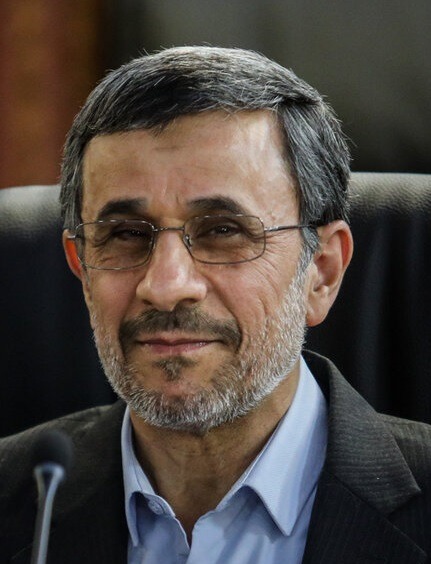
Mahmoud Ahmadinejad, born on October 28, 1956, in Aradan, Iran, is a notable figure in contemporary Iranian politics. Serving as the sixth President of Iran from 2005 to 2013, Ahmadinejad’s tenure was marked by his controversial rhetoric, firm stance against Western powers, and significant influence on Iran’s domestic and international policies. This article delves into his age, rise to fame, and significant highlights of his life, providing a comprehensive understanding of his impact and legacy.
Early Life and Education
Family Background and Early Influences
Mahmoud Ahmadinejad was born into a working-class family. His father was a blacksmith who relocated the family to Tehran when Ahmadinejad was one year old. Growing up in a modest household, Ahmadinejad developed a strong sense of nationalism and religious conservatism, which would later shape his political ideology.
Academic Pursuits
Ahmadinejad pursued higher education at the Iran University of Science and Technology, where he studied civil engineering. He continued his education, earning a Ph.D. in Traffic and Transportation Engineering and Planning. His academic achievements led to a professorship at the same university, where he taught and conducted research in engineering.
Early Political Career and Rise to Prominence
Involvement in the Islamic Revolution and War Efforts
During the Islamic Revolution of 1979, Ahmadinejad was an active supporter of the movement that overthrew the Shah of Iran. Following the revolution, he joined the Islamic Revolutionary Guard Corps (IRGC) and participated in the Iran-Iraq War. His military service, particularly his role as an engineer and commander, bolstered his reputation as a dedicated and capable leader.
Local Governance and Early Political Roles
Ahmadinejad’s political career began in earnest when he served as the governor of Maku and Khoy and later as an advisor in the Ministry of Culture and Islamic Guidance. In 2003, he was elected mayor of Tehran, where his conservative policies and efforts to impose stricter Islamic codes earned him both praise and criticism. His time as mayor set the stage for his subsequent presidential campaign.
Presidency of Iran
Election Victory
In 2005, Ahmadinejad ran for the presidency of Iran as a member of the Alliance of Builders of Islamic Iran. His campaign focused on themes of social justice, anti-corruption, and a return to revolutionary values. Ahmadinejad’s humble background and populist rhetoric resonated with many Iranians, particularly the poor and working class. He won the presidential election in a run-off, defeating former President Akbar Hashemi Rafsanjani.
Domestic Policies and Controversies
As president, Ahmadinejad implemented a series of populist economic policies aimed at redistributing wealth and supporting the poor. He increased government subsidies for food, fuel, and housing, but his economic strategies were widely criticized for leading to inflation and financial instability.
Nuclear Program and International Relations
One of the most contentious aspects of Ahmadinejad’s presidency was his staunch support for Iran’s nuclear program. He asserted that the program was for peaceful purposes, but his defiance of international demands to halt uranium enrichment led to severe economic sanctions and increased tensions with Western countries.
Controversial Rhetoric and Global Reactions
Ahmadinejad became infamous for his provocative statements, particularly regarding Israel and the Holocaust. In 2005, during a conference titled “The World Without Zionism,” he called for Israel to be “wiped off the map,” a statement that sparked international outrage and condemnation. His repeated denial of the Holocaust further isolated Iran diplomatically and intensified global scrutiny.
Relationship with Russia and Other Nations
Despite his contentious relationship with Western powers, Ahmadinejad sought to strengthen ties with other countries, notably Russia. He worked closely with Russian President Vladimir Putin to address the nuclear crisis and fostered diplomatic and economic relations with other non-Western countries, positioning Iran as a significant player on the global stage.
Post-Presidency Activities and Legacy
Continued Political Involvement
After leaving office in 2013, Ahmadinejad remained active in Iranian politics. He attempted a political comeback by registering as a candidate for the 2017 presidential election, but his candidacy was disqualified by the Guardian Council. Despite this setback, he continued to voice his opinions on political matters and maintained a presence in Iran’s political discourse.
Public Perception and Criticism
Ahmadinejad’s presidency left a mixed legacy. Supporters praised his commitment to social justice and his defiance of Western powers, while critics highlighted the economic difficulties and international isolation resulting from his policies. His controversial rhetoric and actions have left an indelible mark on Iran’s political landscape and its relations with the international community.
Academic and Public Engagements
In addition to his political activities, Ahmadinejad returned to academia and continued his work as a professor. He also engaged in public speaking and occasionally contributed to discussions on political and social issues, both in Iran and abroad.
Historical Context and Influence
Impact on Iranian Politics
Mahmoud Ahmadinejad’s tenure as president significantly influenced the direction of Iranian politics. His populist approach and emphasis on social justice issues resonated with many Iranians, particularly those from lower socioeconomic backgrounds. However, his policies also contributed to economic challenges and increased international isolation.
Broader Middle Eastern Politics
Ahmadinejad’s presidency occurred during a period of heightened tension in the Middle East. His firm stance on Iran’s nuclear program and his provocative statements about Israel and the United States played a role in shaping regional dynamics and influencing the policies of neighboring countries.
Legacy in International Relations
Ahmadinejad’s defiance of international norms and his pursuit of Iran’s nuclear ambitions had lasting implications for global politics. The economic sanctions imposed on Iran during his presidency had significant economic repercussions, affecting not only Iran but also global markets. His legacy continues to influence how the international community engages with Iran.
Conclusion
Mahmoud Ahmadinejad’s life and career have been marked by controversy, defiance, and significant political influence. From his early days in the Islamic Revolutionary Guard Corps to his tenure as president of Iran, Ahmadinejad’s actions and rhetoric have left a lasting impact on Iran’s domestic and international standing. While his policies and statements have sparked significant debate and criticism, his influence on contemporary Iranian politics is undeniable. As we reflect on his legacy, it is clear that Mahmoud Ahmadinejad remains a pivotal figure in understanding the complexities of Iran’s political landscape and its relations with the world.


