
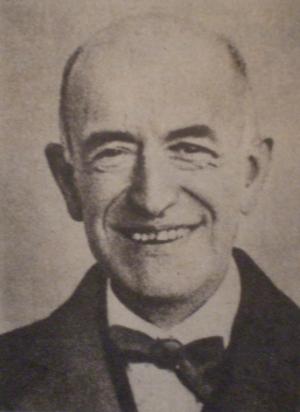
Manuel de Falla y Matheu, born on November 23, 1876, in Cádiz, Spain, was one of the most significant Spanish composers of the 20th century. His works, which blend traditional Spanish musical elements with modern compositional techniques, have left an indelible mark on classical music. De Falla’s compositions for guitar and orchestra are celebrated as milestones in the development of modern classical guitar music, and his legacy continues to influence musicians and composers worldwide.
Early Life and Musical Beginnings
Manuel de Falla was born into a well-off family in Cádiz, a city with a rich cultural history. His father was a merchant, and his mother, who played a significant role in his early education, introduced him to music. Falla’s early exposure to music was through his mother’s influence, and he began his formal music education at a young age. His talent was evident early on, and by the time his family moved to Madrid in 1897, Falla was well on his way to becoming a skilled musician.
In Madrid, Falla enrolled in the Conservatory, where he studied under prominent Spanish composers and musicians. One of his most influential mentors during this period was Felipe Pedrell, a composer and musicologist who championed the revival of Spanish music. Pedrell’s influence was crucial in shaping Falla’s approach to composition, encouraging him to draw inspiration from Spanish folk music and traditions.
Falla’s early compositions reflect this influence, as he began to incorporate elements of Spanish folk music into his works. Among his early compositions were several zarzuelas—a genre of Spanish operatic theater that was immensely popular in Madrid at the time. However, Falla’s ambitions extended beyond this genre, and he soon sought to create works that would establish his reputation as a serious composer.
Paris Years and Artistic Maturation
In 1905, Falla’s opera La vida breve won a composition competition organized by the Academia de Bellas Artes. Despite this early success, the opera was not performed as promised, leading to Falla’s decision to move to Paris in 1907 in search of greater opportunities. His seven years in Paris (1907-1914) proved to be formative, both personally and professionally.
Paris at the time was a hub of artistic innovation, attracting composers, artists, and writers from around the world. Falla was introduced to the works of Claude Debussy, Paul Dukas, and Maurice Ravel, among others, and these encounters had a profound impact on his compositional style. While in Paris, Falla completed the revision of La vida breve, which was finally performed successfully in Nice in 1913 and at the Opéra-Comique in Paris in 1914.
During his time in Paris, Falla also composed some of his first major works, including the Cuatro piezas españolas for piano, which were performed by Ricardo Viñes at a concert of the Société Nationale de Musique. These pieces, infused with the rhythms and melodies of Spanish folk music, showcased Falla’s unique ability to blend traditional Spanish elements with modern compositional techniques.
Falla’s time in Paris was also marked by his association with other Spanish composers, such as Isaac Albéniz and Joaquín Turina. Together, they sought to create a distinctly Spanish style of music, free from foreign influences. This period of artistic collaboration and exploration solidified Falla’s commitment to developing a national style of composition that would reflect the rich cultural heritage of Spain.
Return to Spain and Major Works
With the outbreak of World War I in 1914, Falla returned to Madrid, where he established his residence. It was during this period that Falla composed some of his most famous works, including the ballets El amor brujo (1915) and El sombrero de tres picos (1919). These works, which drew heavily on Andalusian folklore and music, brought Falla international fame and established him as a leading figure in the world of classical music.
El amor brujo is particularly notable for its use of the cante jondo—a deep, expressive style of flamenco singing that Falla helped to popularize. The ballet tells the story of a young Andalusian woman haunted by the ghost of her dead lover, and its music is characterized by its intense rhythms, evocative melodies, and rich orchestration. The work was a critical and commercial success, and it remains one of Falla’s most frequently performed compositions.
El sombrero de tres picos (The Three-Cornered Hat) was another major success for Falla. Premiered in London in 1919 with sets and costumes designed by Pablo Picasso, the ballet was celebrated for its vibrant depiction of Spanish life and culture. The music, which combines elements of Spanish dance forms with sophisticated orchestration, is a testament to Falla’s mastery of his craft.
In 1920, Falla moved to Granada, where he continued to explore the rich musical traditions of Spain. His time in Granada was marked by his collaboration with the poet Federico García Lorca and the organization of the cante jondo competition in 1922. This event, which sought to preserve and promote traditional Andalusian music, was a significant moment in the revival of Spanish folk music and had a lasting impact on Falla’s work.
Later Years and Artistic Evolution
As Falla’s career progressed, his compositional style evolved. His later works, such as El retablo de maese Pedro (Master Peter’s Puppet Show) and the Concerto for Harpsichord, show a move away from the folkloric elements that characterized his earlier compositions and towards a more austere, neoclassical style. El retablo de maese Pedro, composed between 1919 and 1923, is an opera for marionettes based on an episode from Miguel de Cervantes’ Don Quixote. The work, commissioned by the Princess de Polignac, is notable for its intricate orchestration and its use of traditional Spanish musical forms.
The Concerto for Harpsichord, composed between 1923 and 1926, further demonstrates Falla’s shift towards neoclassicism. The work, which can be performed with either a harpsichord or a piano, is characterized by its clarity of form and its use of Baroque-inspired techniques. The concerto was well-received and marked a new phase in Falla’s compositional career, one that was less concerned with folk influences and more focused on structural and harmonic innovation.
Falla’s final years were dominated by his work on Atlántida, a large-scale cantata based on a poem by the Catalan poet Jacint Verdaguer. The work, which was intended to be his magnum opus, was never completed during his lifetime. Falla spent the last two decades of his life working on Atlántida, but the piece remained unfinished at the time of his death. Despite this, Atlántida is considered one of Falla’s most ambitious and complex works, reflecting his deepening interest in mysticism and spirituality.
Exile and Final Years in Argentina
In 1939, following the Spanish Civil War and the rise of Francisco Franco’s regime, Falla left Spain and settled in Argentina. He spent his final years in the town of Alta Gracia, in the province of Córdoba. Although he continued to compose and work on Atlántida, his output during this period was limited, and he lived in relative seclusion.
Falla’s decision to leave Spain was driven by both political and personal reasons. He was deeply affected by the turmoil of the Civil War and the repression that followed, and he found it increasingly difficult to reconcile his artistic ideals with the realities of life under Franco’s dictatorship. In Argentina, Falla found a supportive community of musicians and artists, but he remained deeply attached to his homeland and its cultural heritage.
Manuel de Falla passed away on November 14, 1946, in Alta Gracia. His death marked the end of an extraordinary career, but his legacy continues to live on through his music. Falla’s compositions are celebrated for their emotional depth, technical mastery, and their ability to evoke the spirit of Spain. He is remembered not only as one of the greatest Spanish composers but also as a key figure in the development of modern classical music.
Legacy and Impact on Classical Music
Manuel de Falla’s influence on classical music is profound and far-reaching. His ability to fuse traditional Spanish music with modern compositional techniques created a unique and enduring musical language that has inspired generations of composers and musicians. Falla’s works are regularly performed and recorded, and they continue to be studied and admired for their innovation and artistry.
Falla’s contributions to the classical guitar repertoire, in particular, are highly regarded. His compositions for guitar, including the suite Homenaje (1938), are considered some of the most important works in the instrument’s history. These pieces, which pay tribute to composers such as Claude Debussy and Isaac Albéniz, showcase Falla’s deep understanding of the guitar’s expressive potential and have become staples of the classical guitar repertoire.
Falla’s legacy also extends to his efforts to preserve and promote Spanish folk music. His work with García Lorca and others to revive the cante jondo and other traditional forms has had a lasting impact on the appreciation and performance of Spanish music. Today, Falla is celebrated not only as a composer but also as a cultural ambassador who helped to bring the richness of Spanish music to the world stage.
In conclusion, Manuel de Falla’s life and work offer a compelling portrait of a composer who was deeply connected to his cultural roots while also being at the forefront of musical innovation. His contributions to classical music, particularly in the realms of orchestration and the integration of folk elements, have left an indelible mark on the history of music. Falla’s legacy continues to inspire and influence musicians, composers, and music lovers around the world.


