
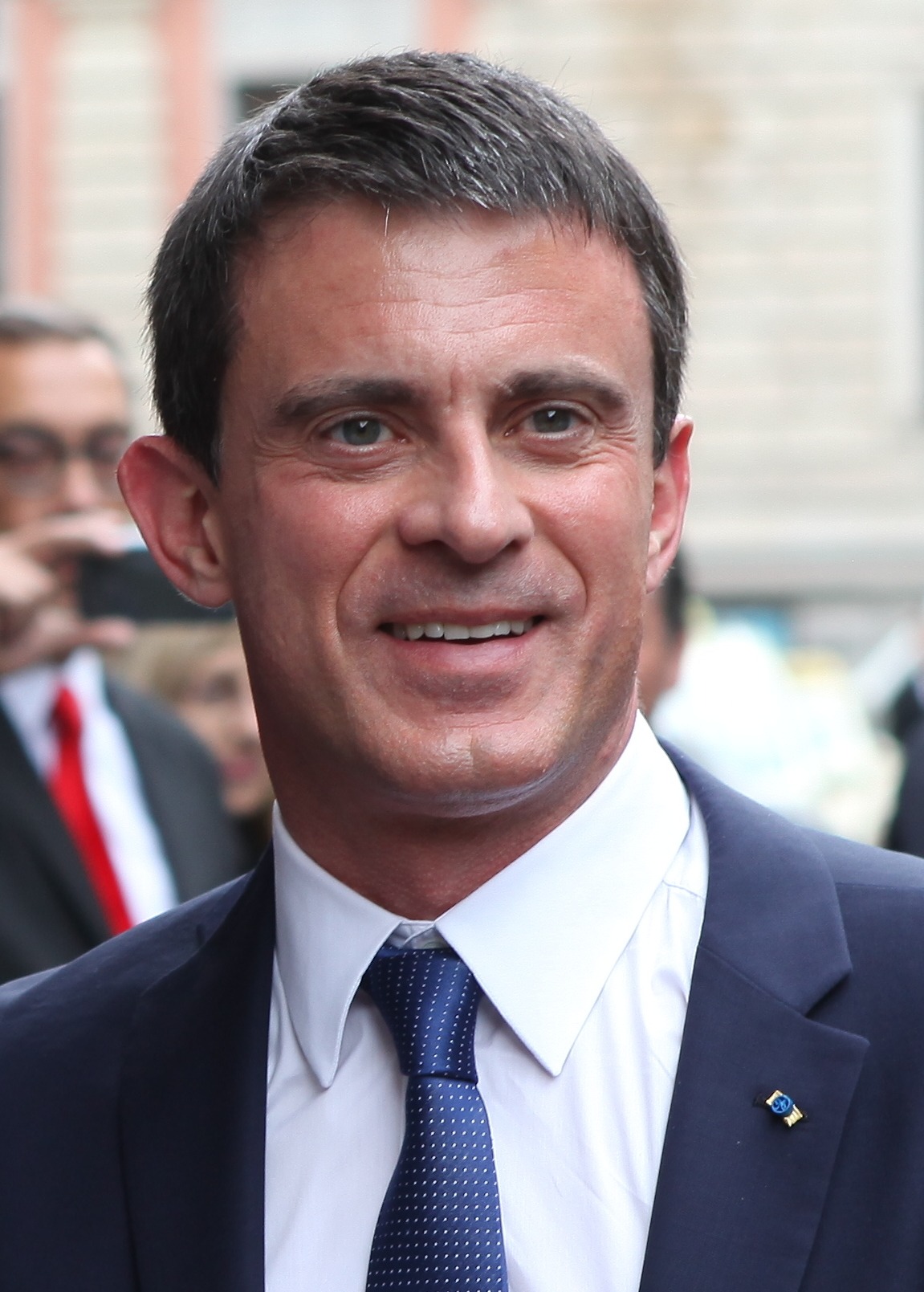
Manuel Valls is a prominent political figure who has left a significant mark on both French and European politics. Born on August 13, 1962, in Barcelona, Spain, Valls’ life journey is a remarkable tale of cultural integration, political ambition, and public service. This article delves into the key milestones of Manuel Valls’ life, exploring his rise to fame, his political career, and the impact he has had on contemporary European politics.
Early Life and Cultural Background
Manuel Carlos Valls i Galfetti was born into a culturally rich and diverse family. His father, Xavier Valls, was a renowned Catalan painter, while his mother, Luisangela Galfetti, was of Swiss-Italian descent. Despite being born in Spain, Valls spent most of his life in France, where his family had moved when he was still an infant. This dual cultural heritage profoundly influenced Valls, shaping his identity and his approach to politics.
Valls grew up in a politically active environment, which nurtured his early interest in public affairs. From a young age, he was exposed to the vibrant intellectual and cultural scene of Paris, where his family settled. This environment played a crucial role in his decision to pursue a career in politics.
Early Political Engagement
Manuel Valls’ political journey began in his teenage years. At the age of 17, he joined the Mouvement des Jeunes Socialistes (Movement of Young Socialists), a decision that marked the beginning of his lifelong association with the French Socialist Party. Valls was drawn to the ideas of social justice and equality, and he quickly became an active member of the party, working to support Michel Rocard, a prominent socialist politician.
During his time at the University of Paris, where he studied history, Valls became involved in student activism, joining the UNEF-ID, a student union. His commitment to socialist ideals and his dynamic leadership style soon caught the attention of senior party members, and he became an advisor to Michel Rocard on educational matters. This early exposure to high-level politics set the stage for Valls’ future career.
Naturalization and Early Career
Although deeply involved in French politics, Manuel Valls was not yet a French citizen when he began his political career. He officially became a French citizen in 1982, a year after he was first eligible to vote in a presidential election. This naturalization was a significant milestone in Valls’ life, solidifying his commitment to France and its political system.
In the mid-1980s, Valls continued to rise through the ranks of the Socialist Party. He served as a parliamentary assistant to Robert Chapuis, a socialist politician, and later took over the leadership of the Socialist Party in Argenteuil-Bezons. His work during this period was characterized by a focus on local issues and a deepening understanding of the political landscape of France.
Rise to Prominence in the 1990s and 2000s
The 1990s were a period of significant growth for Manuel Valls’ political career. He was appointed Deputy Minister for the Winter Olympics in Albertville in 1992, a role that allowed him to showcase his organizational and leadership skills on an international stage. Following this, Valls was elected as the first secretary of the Socialist Party in Val-d’Oise, further cementing his position within the party.
In 2001, Valls was elected Mayor of Évry, a suburb of Paris known for its diverse population and social challenges. His tenure as mayor was marked by a pragmatic approach to governance, focusing on improving public services, promoting social cohesion, and addressing issues such as unemployment and crime. His success in Évry brought him national recognition, and in 2002, he was elected as a member of the French National Assembly, representing the Essonne department.
Political Philosophy and Controversies
Throughout his career, Manuel Valls has been known for his pragmatic and sometimes controversial approach to politics. He is often described as a centrist within the Socialist Party, advocating for a blend of social democracy and liberal economic policies. This stance has sometimes put him at odds with more traditional members of the party, particularly those on the left.
One of the most controversial aspects of Valls’ political career has been his stance on issues related to secularism and immigration. Valls has been a vocal advocate for a strict interpretation of laïcité, the French principle of secularism, which has led him to support policies such as the ban on wearing religious symbols in public schools. These positions have sparked debate and criticism, particularly from those who argue that they infringe on individual freedoms.
In 2005, Valls made headlines when he left the Freemasons, a move that was seen as a break with the traditional structures of French political life. This decision, along with the publication of his book La Laïcité en Face (Secularism Face to Face), reinforced his image as a politician willing to challenge established norms.
Minister of the Interior and Prime Minister
Manuel Valls’ career reached its zenith in the 2010s when he was appointed Minister of the Interior in 2012 by President François Hollande. In this role, Valls was responsible for overseeing France’s domestic security and law enforcement, a task that became increasingly challenging in the face of rising concerns about terrorism and social unrest.
Valls’ tenure as Minister of the Interior was marked by a tough stance on law and order. He implemented a series of measures aimed at combating crime, controlling immigration, and addressing the threat of terrorism. These policies were popular with some segments of the population but also drew criticism from human rights organizations and members of his own party.
In 2014, following a poor performance by the Socialist Party in municipal elections, Valls was appointed Prime Minister of France. His appointment marked a shift towards a more centrist and reformist government, with Valls seeking to address the economic challenges facing France through a combination of austerity measures and structural reforms.
Challenges and Achievements as Prime Minister
As Prime Minister, Manuel Valls faced a series of challenges that tested his leadership and political acumen. One of the most significant issues during his tenure was the threat of terrorism. France was the target of several high-profile terrorist attacks, including the Charlie Hebdo shooting in January 2015 and the Paris attacks in November 2015. Valls’ response to these tragedies was characterized by a focus on national security, including the implementation of a state of emergency and increased powers for law enforcement agencies.
Valls also pursued a series of economic reforms aimed at revitalizing the French economy. These included changes to labor laws, tax cuts for businesses, and efforts to reduce public spending. However, these reforms were met with resistance from trade unions and left-wing members of the Socialist Party, leading to widespread protests and strikes.
Despite these challenges, Valls managed to implement several key reforms during his time as Prime Minister. His government passed legislation to liberalize the labor market, reduce bureaucracy, and encourage innovation and entrepreneurship. These measures were intended to make France more competitive in the global economy and to address long-standing issues such as high unemployment and sluggish economic growth.
The End of the Valls Government and Subsequent Career
In 2016, as President François Hollande announced that he would not seek re-election, Manuel Valls emerged as a potential candidate for the presidency. However, his bid for the Socialist Party nomination was unsuccessful, with Valls losing to Benoît Hamon in the primary election. Following this defeat, Valls resigned as Prime Minister and shifted his focus to other political endeavors.
In the years following his tenure as Prime Minister, Valls continued to play an active role in French politics. He supported Emmanuel Macron in the 2017 presidential election and briefly served as a member of Macron’s La République En Marche party in the French National Assembly. However, his time with the party was short-lived, as he soon turned his attention to local politics in Spain.
Return to Barcelona and Political Aspirations in Spain
In a surprising turn of events, Manuel Valls announced in 2018 that he would be running for mayor of Barcelona, the city of his birth. This move marked a return to his roots and a new chapter in his political career. Valls’ decision to run for office in Spain was seen by many as a bold and unconventional step, reflecting his deep connection to both France and Spain.
Valls’ campaign for mayor of Barcelona focused on issues such as urban development, public safety, and social cohesion. Although he did not win the mayoralty, his campaign was notable for its emphasis on centrist policies and its attempt to bridge the divide between different political factions in the city.
Legacy and Impact
Manuel Valls’ legacy is one of complexity and nuance. He is a politician who has consistently defied easy categorization, combining elements of socialism, centrism, and liberalism in his approach to governance. Throughout his career, Valls has been a vocal advocate for secularism, national security, and economic reform, positions that have earned him both praise and criticism.
Valls’ impact on French politics is significant. As Minister of the Interior and Prime Minister, he played a key role in shaping France’s response to the challenges of the early 21st century, including terrorism, economic stagnation, and social unrest. His tenure as Prime Minister was marked by a commitment to reform and a willingness to take difficult and sometimes unpopular decisions.
Beyond his contributions to French politics, Valls’ career also highlights the broader theme of European integration. As a politician with deep roots in both France and Spain, Valls embodies the interconnectedness of modern European identities and the potential for cross-border political engagement.
Conclusion
Manuel Valls is a figure who has straddled two cultures, two nations, and two political traditions. His life and career reflect the complexities of modern European politics, where questions of identity, belonging, and governance are increasingly intertwined. Valls’ journey from Barcelona to Paris, and back again, is a testament to his adaptability, his commitment to public service, and his determination to make a difference in the world.
Today, Manuel Valls continues to be an influential voice in both French and Spanish politics. His career serves as a reminder of the challenges and opportunities that come with a life dedicated to public service and the pursuit of political ideals.


