
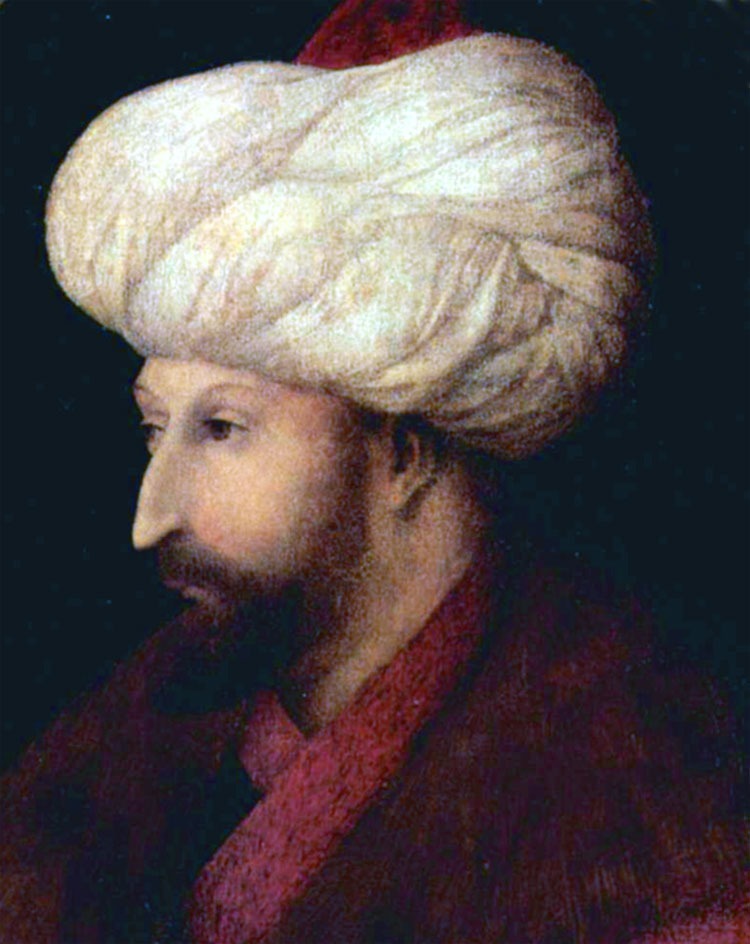
Maometto, known in English as Muhammad, is one of the most significant figures in world history. Born in Mecca in the year 570 CE (though the exact date is disputed), he is the founder of Islam and is revered by Muslims as the final prophet sent by Allah to guide humanity. His life, teachings, and the religion he propagated have shaped the course of history and continue to influence millions of lives today. This article delves into the life of Maometto, exploring his early years, the revelations that led to the rise of Islam, his challenges and triumphs, and his enduring legacy.
Early Life and Background
Maometto was born into the Banu Hashim clan of the Quraysh tribe, a respected family of merchants in the Arabian Peninsula. His father, Abd Allah, died before he was born, and his mother, Amina bint Wahb, passed away when he was just six years old. As a result, Maometto was raised by his grandfather, Abd al-Muttalib, and later by his uncle, Abu Talib, who provided him with the care and protection he needed during his formative years.
Growing up in Mecca, a bustling trade city, Maometto was exposed to various cultures and religions, including Judaism and Christianity, which had established communities in the region. His early life was marked by humility and hardship, experiences that shaped his character and worldview. Despite the challenges, Maometto earned a reputation for his honesty and trustworthiness, traits that earned him the nickname “Al-Amin” (the trustworthy).
At a young age, Maometto began accompanying his uncle on trade journeys to Syria and Yemen. These trips exposed him to the wider world and deepened his understanding of the religious and social dynamics of the time. It was during one of these journeys that a Christian monk named Bahira reportedly recognized signs of Maometto’s future prophetic role, an event that would later be interpreted as foreshadowing his divine mission.
Marriage to Khadija and the Beginning of Revelations
At the age of 25, Maometto entered the service of a wealthy widow named Khadija bint Khuwaylid. Impressed by his integrity and skill, Khadija proposed marriage to him, and they were married in 595 CE. Their marriage was a strong and supportive partnership, and Khadija played a crucial role in Maometto’s life, both personally and spiritually.
In 610 CE, at the age of 40, Maometto began retreating to the cave of Hira on the outskirts of Mecca for meditation and reflection. It was during one of these retreats, in the month of Ramadan, that he experienced his first revelation. According to Islamic tradition, the archangel Gabriel appeared to Maometto, instructing him to “Recite in the name of your Lord who created.” This event marked the beginning of Maometto’s role as a prophet and the gradual revelation of the Quran, the holy book of Islam.
The initial revelations left Maometto deeply shaken, and he feared for his sanity. However, Khadija reassured him, and with the support of her cousin Waraqa ibn Nawfal, a Christian who recognized the signs of prophecy, Maometto accepted his divine mission. Khadija became the first person to believe in Maometto’s message, and her unwavering support was crucial during the early years of his prophethood.
The Early Years of Preaching in Mecca
Maometto began preaching his message of monotheism in Mecca, calling people to worship Allah, the one true God, and to abandon the polytheistic practices that were prevalent in the region. His message was revolutionary in a society deeply rooted in tribalism and idolatry. Initially, his followers were few, including close family members and friends such as his cousin Ali, his friend Abu Bakr, and others who would later become prominent figures in Islam.
The message of Islam, which emphasized social justice, the oneness of God, and accountability in the afterlife, attracted a small but dedicated group of followers. However, it also provoked the ire of the Quraysh, the dominant tribe in Mecca, who saw Maometto’s teachings as a direct threat to their power and the lucrative pilgrimage trade centered around the Kaaba, a shrine that housed numerous idols.
As Maometto’s followers grew in number, so did the opposition. The Quraysh subjected the early Muslims to persecution, social ostracism, and economic boycotts. Despite these hardships, Maometto and his followers remained steadfast in their faith, continuing to preach and practice Islam in the face of mounting adversity.
The Hijra and the Establishment of the Muslim Community
In 619 CE, a year marked by personal tragedy for Maometto with the deaths of his wife Khadija and his uncle Abu Talib, the situation in Mecca became increasingly untenable. The growing hostility forced Maometto to seek a new base for his community. In 622 CE, he and his followers migrated to Yathrib, a city later known as Medina. This migration, known as the Hijra, marks the beginning of the Islamic calendar.
In Medina, Maometto established the first Muslim community, or Umma, and gained political authority as well as religious leadership. The Constitution of Medina, a document drafted by Maometto, outlined the rights and responsibilities of the diverse groups within the city, including Muslims, Jews, and other tribes. It established a framework for governance and conflict resolution, laying the foundation for the Islamic state.
The move to Medina allowed Islam to grow and flourish. Maometto’s leadership attracted new followers, and his message began to spread beyond the Arabian Peninsula. However, the Quraysh in Mecca continued to oppose him, leading to a series of battles between the Muslims and the Meccan forces. The most significant of these were the Battle of Badr in 624 CE, a decisive victory for the Muslims, and the Battle of Uhud in 625 CE, which ended in a stalemate but with significant losses for the Muslim community.
Conquest of Mecca and the Final Years
In 630 CE, after years of conflict, Maometto and his followers marched on Mecca with a large force, resulting in the peaceful surrender of the city. Upon entering Mecca, Maometto cleansed the Kaaba of its idols, rededicating it to the worship of Allah. This event marked a turning point in Islamic history, as the Quraysh, who had been the Prophet’s most ardent opponents, now embraced Islam.
Following the conquest of Mecca, Islam spread rapidly across the Arabian Peninsula. Maometto continued to receive revelations that guided the development of Islamic law and society. His final years were spent consolidating the Muslim community and preparing for the future after his death.
In 632 CE, after performing the Hajj pilgrimage, Maometto delivered his Farewell Sermon, in which he summarized the core principles of Islam and emphasized the importance of unity, justice, and adherence to the teachings of the Quran. Shortly after, Maometto fell ill and passed away in Medina. His death marked the end of the prophetic era, but his teachings continued to guide the Muslim world.
Legacy and Impact on the World
Maometto’s legacy is vast and enduring. As the founder of Islam, he is revered by over a billion Muslims worldwide as the final prophet of God and the “Seal of the Prophets.” The religion he established has shaped civilizations, influenced cultures, and played a central role in the history of the world.
The Quran, which Muslims believe to be the literal word of God revealed to Maometto, is the foundation of Islamic faith and practice. It has been memorized, recited, and studied by Muslims for over fourteen centuries and continues to be a source of guidance and inspiration.
Maometto’s teachings emphasize the importance of compassion, justice, and the pursuit of knowledge. His example, known as the Sunnah, serves as a model for Muslims in all aspects of life, from personal conduct to governance and law. The Hadith, collections of sayings and actions of the Prophet, further complement the Quran and provide detailed guidance on living a righteous life.
Maometto’s impact extends beyond the religious sphere. His leadership in Medina laid the groundwork for the Islamic state, and his teachings on governance, social justice, and human rights have influenced legal and political systems throughout history. The spread of Islam during and after his lifetime contributed to the development of a rich and diverse Islamic civilization that made significant contributions to science, medicine, philosophy, and the arts.
Challenges and Controversies
Despite his profound impact, Maometto’s life and teachings have not been without controversy, particularly in the Western world. During the Middle Ages, he was often portrayed negatively in Christian Europe, seen as a heretic or even a false prophet. Dante Alighieri, in his Divine Comedy, placed Maometto in the Inferno among the “sowers of discord,” reflecting the widespread misunderstanding and hostility towards Islam in medieval Europe.
In more recent times, misunderstandings and misrepresentations of Maometto and Islam continue to persist. However, scholars and historians have increasingly sought to provide a more nuanced and accurate understanding of his life and the religion he founded.
Conclusion
Maometto’s life is a story of faith, perseverance, and profound transformation. From his humble beginnings as an orphan in Mecca to his role as the leader of a global religious community, Maometto’s journey is one of the most remarkable in human history. His teachings continue to shape the lives of millions and provide a framework for living that emphasizes the importance of justice, compassion, and faith in the divine.
As the founder of Islam, Maometto’s influence extends far beyond the religious domain. His contributions to society, law, and culture have left an indelible mark on the world, and his legacy continues to inspire and guide people across the globe.


