
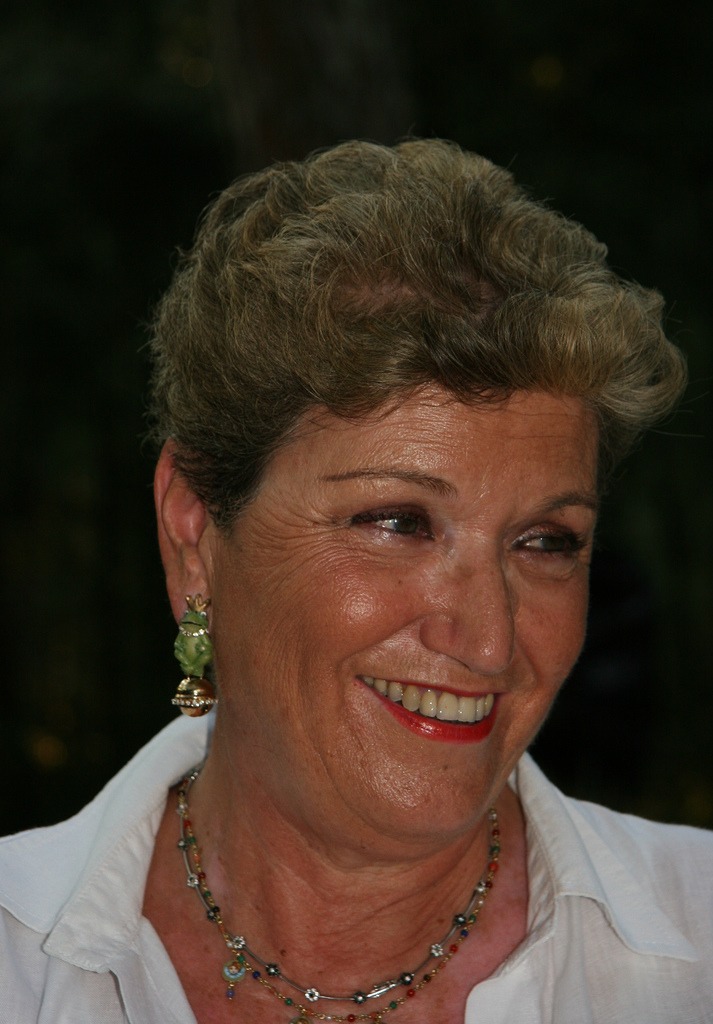
Mara Maionchi is a name synonymous with the Italian music industry, a figure whose influence has spanned decades. Born on April 22, 1941, in Bologna, Italy, Maionchi’s journey from humble beginnings to becoming one of the most respected talent scouts and record producers in Italy is nothing short of extraordinary. This article delves into her life, career, and the milestones that have defined her legacy.
Early Life and Background
Mara Maionchi was born during a tumultuous time in history, amidst the backdrop of World War II. The war had significant effects on many families, including Maionchi’s. Initially registered as the daughter of an unknown father, due to circumstances related to the war, there was even some confusion over her surname—whether it should be Maionchi or Majonchi. Despite these early challenges, Mara had a happy childhood in Bologna, where she developed the resilience and determination that would later define her career.
At the age of 18, in 1959, Mara began her working life at a company specializing in pesticides. Her ambitions, however, were not confined to this industry. By 1966, seeking new opportunities, she moved to Milan and found work with a fire protection equipment company. It was in Milan that her life took a decisive turn toward the world of music.
Entry into the Music Industry
Mara Maionchi’s entry into the music industry was almost serendipitous. In 1967, she responded to a job advertisement in a Milanese newspaper, which led her to a position as a secretary in the press office of Ariston Records, a major record label. It didn’t take long for her talent and passion for music to shine through, and she quickly moved up the ranks to become the head of promotions.
At Ariston Records, Maionchi began working closely with some of Italy’s most iconic musicians, including Ornella Vanoni and Mino Reitano. Her exposure to such talent deepened her understanding of the industry and sharpened her instincts for discovering new artists. This period was crucial in shaping her future career as a talent scout and producer.
Collaborations and Marriage
In 1969, Mara Maionchi’s career took another significant leap when she began working with the legendary lyricist Mogol and the iconic singer-songwriter Lucio Battisti at Numero Uno, a record label founded by the duo. This collaboration solidified her reputation in the industry and connected her with some of the biggest names in Italian music.
Around this time, she also met Alberto Salerno, a fellow music industry professional, who would later become her husband. Salerno, a well-known lyricist, shared Maionchi’s passion for music, and their partnership extended both personally and professionally. They married in the late 1970s, marking the beginning of a lifelong collaboration.
Rise to Prominence
Mara Maionchi’s career continued to ascend in the 1970s. In 1975, she joined Dischi Ricordi, another prominent Italian record label, initially as an editorial manager and later as the artistic director. It was here that Maionchi truly came into her own as a talent scout. She played a pivotal role in launching the careers of several now-famous Italian artists, including Gianna Nannini, Edoardo De Crescenzo, Umberto Tozzi, Mia Martini, and Fabrizio De André.
Her work at Dischi Ricordi not only demonstrated her ability to identify and nurture talent but also established her as one of the most influential figures in the Italian music industry. Maionchi’s knack for recognizing potential and guiding artists to success became her trademark.
Founding of Nisa and Continued Success
In 1983, Mara Maionchi, alongside her husband Alberto Salerno, took a bold step by founding their own record label, Nisa. The label’s mission was to discover and promote new talent, a goal that aligned perfectly with Maionchi’s strengths. Nisa became a breeding ground for young, aspiring artists, and under Maionchi’s guidance, it flourished.
One of the most notable successes to come out of Nisa was the discovery of Tiziano Ferro, who would go on to become one of Italy’s most beloved pop stars. Ferro’s rise to fame was a testament to Maionchi’s enduring talent for recognizing and nurturing potential.
In 2006, Maionchi and Salerno, with the help of their daughters Giulia and Camilla, founded another record label called “Non ho l’età,” which translates to “I am not old enough.” The label focused on discovering and promoting young, emerging talent, reinforcing Maionchi’s reputation as a tireless advocate for new artists.
Television Career and X Factor
Mara Maionchi’s influence extended beyond the recording studio. In 2008, she was invited to join the judging panel of the Italian version of the popular British television show “X Factor.” The show aimed to discover new musical talent, making Maionchi an ideal fit. Her candid, no-nonsense style quickly made her a fan favorite, and she became a central figure on the show.
During her time on “X Factor,” Maionchi worked alongside other prominent judges, including Morgan (former frontman of Bluvertigo), Simona Ventura, and Claudia Mori, the wife of the legendary Italian singer Adriano Celentano. Her presence on the show helped solidify “X Factor” as a major platform for launching the careers of new artists in Italy.
Maionchi’s television career did not end with “X Factor.” She also hosted the music show “Scalo 76” and appeared in various other television programs. Her transition from the recording studio to the small screen expanded her influence and introduced her to a new generation of fans.
Autobiography and Later Career
In 2009, Mara Maionchi published her autobiography, “Non ho l’età,” in which she recounted her life and career in the music industry. The book was well-received and provided fans with an inside look at her journey, her struggles, and her successes.
Maionchi’s career in the music industry continued well into the 2010s. She remained a fixture on “X Factor,” where she contributed her expertise and experience to help guide new talent. Her later years on the show saw her working with artists like Manuel Agnelli, Fedez, Sfera Ebbasta, and Samuel Romano, further cementing her legacy as a key figure in the Italian music scene.
Personal Life and Legacy
Mara Maionchi’s personal life has been closely intertwined with her professional career. Her marriage to Alberto Salerno has been a cornerstone of her life, both personally and professionally. Together, they have navigated the highs and lows of the music industry, building a successful family business that has left an indelible mark on Italian music.
Maionchi’s two daughters, Giulia and Camilla, have also played significant roles in the family business, ensuring that the legacy of talent discovery and promotion continues.
Conclusion
Mara Maionchi’s life and career are a testament to her passion, determination, and talent. From her early days in Bologna to her rise as one of Italy’s most influential music industry figures, Maionchi has left an indelible mark on the world of music. Her ability to discover and nurture talent, combined with her candid and charismatic personality, has made her a beloved figure in Italy and beyond.
As she continues to influence the music industry and inspire new generations of artists, Mara Maionchi’s legacy remains as vibrant as ever. Her story is not just one of personal success but also of her profound impact on the Italian music landscape, ensuring that her contributions will be remembered for years to come.


