
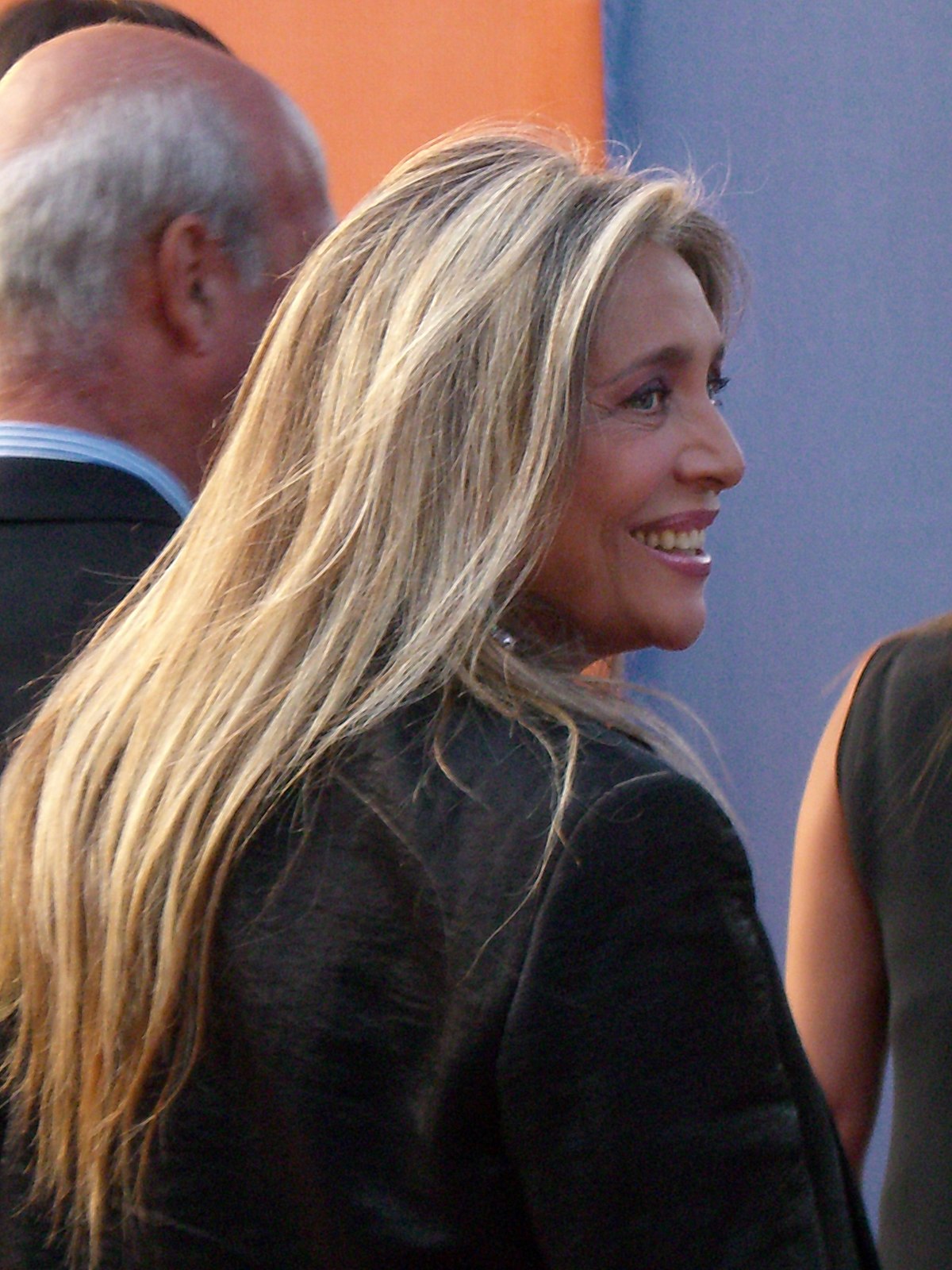
Mara Venier, born Mara Provoleri on October 20, 1950, in Venice, Italy, is one of the most iconic figures in Italian television. Known for her warm personality, engaging presence, and versatility, Venier has enjoyed a career spanning over five decades, during which she has become a beloved television presenter, actress, and media personality. Often referred to as the “Signora della Domenica” (Lady of Sunday), Venier’s name is synonymous with Italian TV’s most popular and long-running shows. Her journey from a small-town girl to a household name in Italy is a story of determination, talent, and a genuine connection with her audience.
Early Life and Move to Rome
Mara Venier was born in Venice but spent much of her early life in Mestre, a mainland town near Venice. Her upbringing was marked by a close-knit family environment, which played a significant role in shaping her down-to-earth personality. In 1971, at the age of 21, she moved to Rome with dreams of becoming an actress. This move marked the beginning of her long and varied career in the entertainment industry.
Early Acting Career: A Step into the Limelight
Venier made her film debut as the lead in the movie Diario di un Italiano (1973), an adaptation of Vasco Pratolini’s Wanda. Her role in the film, which included a notable nude scene, garnered attention and marked her entry into the Italian film industry. Over the next few years, she appeared in several films and TV series, including La Porta sul Buio and La Badessa di Castro. Her roles during this period were varied, ranging from dramatic performances to appearances in comedies, showcasing her versatility as an actress.
In the 1980s, Venier became a familiar face in Italian cinema, particularly in the genre of Italian comedy. She appeared in films like Zappatore (1980), Testa o Croce (1983), and Al Bar dello Sport (1983), where she starred alongside popular actors such as Lino Banfi and her then-partner Jerry Calà. Her ability to connect with audiences, combined with her natural comedic timing, made her a favorite in the Italian film industry.
Transition to Television: The Rise of a TV Icon
The 1990s marked a significant shift in Mara Venier’s career as she transitioned from film to television. Her breakthrough in TV came with her involvement in the popular Sunday show Domenica In, which she began hosting in the 1993-94 season. Her role as the host of this long-running variety show solidified her status as a television icon in Italy. Venier’s warm, approachable style and her ability to engage with both guests and viewers earned her the affectionate nickname “Signora della Domenica.”
Venier’s tenure on Domenica In was marked by numerous memorable moments. She became known for her ability to handle live television’s unpredictable nature, whether it was managing unexpected incidents or dealing with controversial topics. One notable incident occurred during the 1996-97 season when Venier uncovered a scam involving the show’s phone-in competition. Her handling of the situation, which involved a contestant being fed the correct answers, showcased her integrity and commitment to transparency.
Diversifying Her TV Career
Beyond Domenica In, Mara Venier’s television career flourished in the 1990s and 2000s as she took on a variety of hosting roles. She co-hosted the Dopofestival in 1994 and became a familiar face on several other popular Italian TV programs. Venier’s ability to adapt to different formats—from talk shows to game shows—demonstrated her versatility and cemented her position as one of Italy’s leading television personalities.
In 1997, Venier made a bold move by switching from RAI (Italy’s national public broadcasting company) to Mediaset, a move that highlighted her growing influence in the Italian media landscape. At Mediaset, she hosted shows such as Donna Sotto le Stelle, a fashion-themed prime-time show, and Ciao Mara, a daily show. However, not all her ventures at Mediaset were successful; for instance, Ciao Mara was canceled early due to low ratings. Despite these setbacks, Venier’s resilience and ability to bounce back kept her at the forefront of Italian television.
Return to RAI and Continued Success
After her stint at Mediaset, Mara Venier returned to RAI in 2000, where she continued to host a variety of popular programs. Her return was marked by her co-hosting Fantastica Italiana alongside Massimo Lopez and her involvement in other notable shows, including Un Ponte fra le Stelle and La Vita è Meravigliosa. These programs further solidified her reputation as a versatile and beloved television host.
Venier’s return to Domenica In in the early 2000s was met with enthusiasm from viewers who had missed her on the show. However, her time on the program was not without controversy. In 2006, she was involved in a highly publicized altercation between two guests, Antonio Zequila and Adriano Pappalardo, which led to her departure from the show. Despite this setback, Venier’s career continued to thrive, and she remained a prominent figure in Italian television.
Personal Life: Love, Family, and Relationships
Mara Venier’s personal life has often been the subject of media attention, particularly her relationships and family life. She has been married twice; her first marriage was to actor Francesco Ferracini, with whom she had her daughter, Elisabetta Ferracini, who followed in her mother’s footsteps to become a television presenter. Venier also has a son, Paolo Capponi, from her relationship with actor Pier Paolo Capponi.
In 2006, Venier married Nicola Carraro, a film producer and publisher. Their relationship has been a source of stability and happiness for Venier, and the couple is often seen together at public events. Before her marriage to Carraro, Venier had a high-profile relationship with Italian musician and television personality Renzo Arbore. Their relationship was the subject of much media coverage, and although it eventually ended, they have remained on good terms.
Venier is also known for her close friendships with many figures in the entertainment industry. Her warm and approachable nature has earned her the nickname “Zia Mara” (Aunt Mara), reflecting the affection that colleagues, guests, and viewers have for her.
The 2010s and Beyond: A Resurgence in Popularity
The 2010s saw Mara Venier experience a resurgence in popularity, particularly with her role as the host of La Vita in Diretta, a popular afternoon talk show on RAI. Venier co-hosted the show alongside Lamberto Sposini and later Marco Liorni, where her engaging style and ability to connect with the audience once again made her a favorite among viewers. Her success on the show earned her the title “Signora del Pomeriggio” (Lady of the Afternoon), further solidifying her status as one of Italy’s most beloved television personalities.
In addition to her work on La Vita in Diretta, Venier continued to be a prominent figure in Italian television, hosting a variety of special events and shows, including the annual Concerto di Natale and La Partita del Cuore. Her ability to remain relevant in the ever-changing landscape of Italian television is a testament to her talent, adaptability, and deep connection with her audience.
Writing and Advocacy
In recent years, Mara Venier has expanded her career beyond television by becoming an author. In 2021, she published a book titled Mamma, ti ricordi di me?, in which she candidly shares the story of her mother’s battle with Alzheimer’s disease. The book offers a poignant and personal look at the challenges of caring for a loved one with dementia, drawing from Venier’s own experiences. Through this work, Venier has brought attention to a critical issue, raising awareness and offering support to others facing similar challenges.
Venier’s advocacy for Alzheimer’s awareness reflects her deep sense of compassion and her commitment to using her platform for good. Her ability to connect with people on a personal level, whether through her television work or her writing, has made her an influential figure in Italian society.
Legacy and Impact
Mara Venier’s career is a remarkable example of longevity and adaptability in the entertainment industry. Over the years, she has successfully navigated the complexities of Italian television, earning a reputation as a trusted and beloved figure. Her ability to connect with audiences of all ages, her versatility as a presenter and actress, and her resilience in the face of challenges have made her a true icon in Italian media.
Venier’s impact on Italian television is undeniable. She has been a part of some of the most important and popular shows in the country’s history, and her influence extends beyond the screen. As a mentor and role model, Venier has inspired many young presenters and entertainers, showing them the importance of authenticity, empathy, and professionalism.
Her legacy is not just one of success but also of warmth, kindness, and a genuine love for the work she does. Mara Venier’s name will undoubtedly be remembered for years to come as a symbol of Italian television’s golden era and as a person who brought joy, comfort, and connection to millions of viewers.
Conclusion
Mara Venier is more than just a television presenter; she is a cultural icon who has left an indelible mark on Italian entertainment. From her early days as an actress to her reign as the “Signora della Domenica,” Venier’s career has been characterized by her ability to connect with people, her versatility, and her resilience. As she continues to engage with new projects and audiences, Venier remains a beloved figure whose influence on Italian media is as strong as ever. Her story is one of perseverance, talent, and a deep commitment to her craft, making her a true legend in the world of Italian television.


