
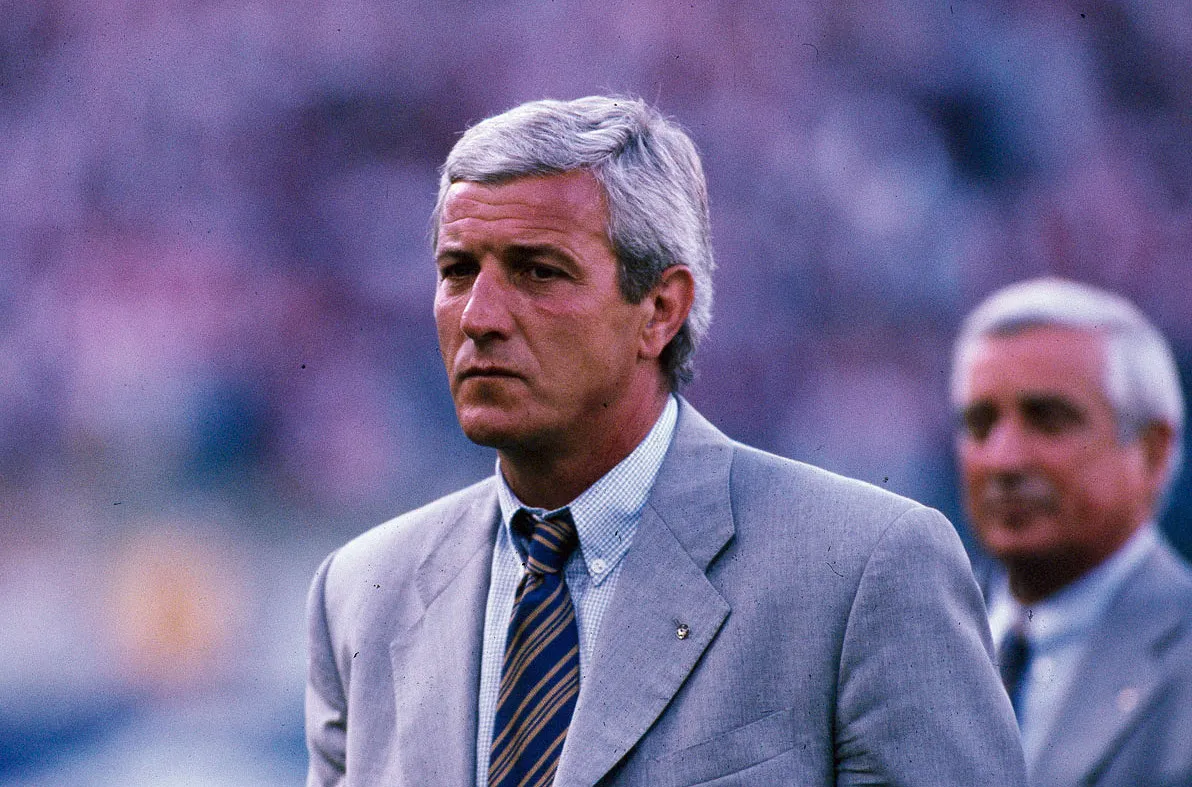
Marcello Lippi, born on April 11, 1948, in Viareggio, Italy, is a name synonymous with football excellence and tactical brilliance. As one of the most renowned figures in the world of soccer, Lippi’s career spans decades of outstanding achievements both as a player and as a manager. This comprehensive examination of Lippi’s life explores his age, rise to fame, key accomplishments, and lasting legacy in the world of football.
Early Life and Playing Career
Marcello Lippi’s journey into football began in his hometown of Viareggio, where he started playing for local teams. His professional playing career began with the Serie C club, Viareggio FC, but it was his move to Serie A that marked the start of his prominence. Lippi joined the prestigious team of Internazionale (Inter Milan) in 1969. His tenure with Inter Milan was relatively brief, but it provided him with invaluable experience that would shape his future career.
In 1972, Lippi transferred to the Italian club Sampdoria, where he spent a significant portion of his playing career. It was here that he demonstrated his versatility and tactical awareness, qualities that would later define his managerial career. Lippi’s playing style was characterized by his solid defensive skills and strategic vision, laying the groundwork for his future success as a football manager.
Rise to Fame as a Manager
Marcello Lippi’s transition from player to manager was marked by a rapid ascent through the ranks of Italian football. After retiring from professional play in 1982, Lippi began his managerial career with small clubs, gaining experience and refining his tactical approach. His initial managerial roles included stints with clubs like Pistoiese and Napoli, where he honed his skills and developed his own footballing philosophy.
Lippi’s breakthrough came with his appointment as the head coach of Juventus FC in 1994. Under his leadership, Juventus experienced a period of unprecedented success. His tactical acumen and ability to motivate players were instrumental in guiding the team to multiple Serie A titles. His tenure at Juventus was marked by the implementation of a defensive and counter-attacking style of play, which earned him widespread acclaim and solidified his reputation as a top-tier manager.
The World Stage: 1996–2006
Marcello Lippi’s managerial career reached its zenith when he took the helm of the Italian national team. His first significant achievement came in 1996 when he led Italy to victory in the UEFA European Championship. This success was a testament to his tactical brilliance and ability to galvanize a team. However, it was his triumph in the 2006 FIFA World Cup that cemented his legacy as one of football’s greats.
In the 2006 World Cup, held in Germany, Lippi guided the Italian national team to victory in a tournament that showcased his tactical prowess and leadership skills. The Italian team’s journey to the final was marked by a combination of solid defensive organization and effective attacking strategies. Italy’s victory over France in the final, through a dramatic penalty shootout, was a testament to Lippi’s ability to manage high-pressure situations and make crucial decisions.
Later Career and Challenges
Following his World Cup triumph, Marcello Lippi’s career continued to evolve. He returned to Juventus for a second stint, leading the club to further domestic success. His time at Juventus reinforced his reputation as a master tactician, and his contributions were pivotal in maintaining the club’s competitive edge in Serie A.
In 2008, Lippi was appointed as the head coach of the Chinese national team, a role that presented new challenges and opportunities. His tenure in China was characterized by his efforts to develop the national team and improve the standard of football in the region. Despite facing difficulties and differing footballing cultures, Lippi’s experience and leadership left a lasting impact on Chinese football.
Lippi’s career was not without its setbacks. His return to the Italian national team in 2009 was met with mixed results, as the team struggled to replicate the success of the 2006 World Cup. Nonetheless, Lippi’s influence on Italian football remained significant, and he continued to be regarded as a leading figure in the sport.
Legacy and Impact
Marcello Lippi’s legacy extends beyond his impressive trophy cabinet. His contributions to football are reflected in his tactical innovations, leadership qualities, and ability to inspire players. Lippi’s approach to the game emphasized a strong defensive foundation coupled with effective counter-attacking strategies, which influenced subsequent generations of football managers.
Lippi’s impact on Italian football is undeniable. His successes with Juventus and the Italian national team established him as one of the foremost managers of his generation. His ability to adapt to different footballing contexts, from domestic leagues to international tournaments, showcased his versatility and strategic insight.
Moreover, Lippi’s influence transcends the realm of football management. His career has been a source of inspiration for aspiring coaches and players alike. His commitment to excellence, work ethic, and dedication to the sport serve as a model for those pursuing a career in football.
Personal Life and Honors
Outside of football, Marcello Lippi’s personal life has been characterized by his dedication to the sport and his commitment to his family. He is known for his reserved and focused demeanor, qualities that have contributed to his success as a manager. Lippi’s personal values and approach to life reflect his professional philosophy, emphasizing discipline, perseverance, and a strong work ethic.
Throughout his career, Lippi has received numerous honors and accolades for his contributions to football. His achievements include multiple Serie A titles with Juventus, UEFA Champions League victories, and, of course, the FIFA World Cup triumph in 2006. These accolades underscore his status as one of football’s greats and his enduring impact on the sport.
Conclusion
Marcello Lippi’s career is a testament to the heights of success that can be achieved through talent, hard work, and dedication. From his early days as a player to his remarkable achievements as a manager, Lippi’s journey is marked by significant accomplishments and contributions to football. His legacy as one of the sport’s most influential figures is secured through his tactical innovations, leadership, and unwavering commitment to excellence.
As we reflect on Marcello Lippi’s remarkable career, it is evident that his impact on football is both profound and enduring. His contributions have shaped the course of the sport, and his legacy continues to inspire future generations of football enthusiasts and professionals.


