
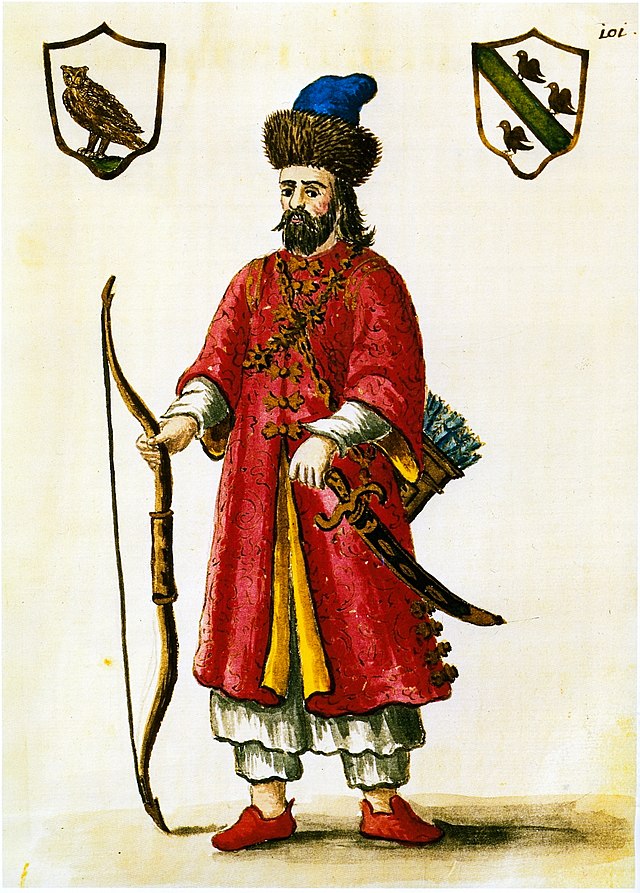
Marco Polo, born in 1254 in Venice, Italy, is a name synonymous with exploration, trade, and the connection between East and West. His life and adventures are captured in the monumental work “Il Milione,” which remains one of the most important travelogues of the medieval period. This article delves into Marco Polo’s life, his journey to the court of Kublai Khan, his contributions to our understanding of the medieval world, and his lasting impact on history.
Early Life: Venice and the Polo Family
Marco Polo was born into a wealthy Venetian merchant family. Venice, at that time, was a flourishing center of commerce and trade, strategically positioned between Europe and the Eastern world. The Polo family, originally from Sebenico in Dalmatia, was well-established in the mercantile community of Venice. Marco’s father, Niccolò Polo, and his uncle, Matteo Polo, were seasoned traders who had already ventured into the mysterious lands of the East before Marco was born.
The Polo family’s wealth and status provided Marco with a privileged upbringing, but it was the allure of distant lands and the stories of his father and uncle that ignited his passion for exploration.
The Great Journey Begins: Marco Polo’s First Voyage
At the age of seventeen, Marco Polo embarked on the journey that would define his life. In 1271, he set out with his father and uncle on a perilous voyage to the East. Their destination was the court of Kublai Khan, the Mongol emperor who ruled over China and vast territories beyond. This journey was not just a trading expedition; it was an adventure into the unknown, a voyage that would last over two decades.
The Polo family’s route took them through the Middle East, across the harsh terrains of the Pamir Mountains, and through the expansive deserts of Central Asia. Along the way, Marco Polo encountered diverse cultures, languages, and religions, all of which he meticulously documented. His keen observations and detailed descriptions would later become the foundation of “Il Milione.”
Arrival at the Court of Kublai Khan
In 1275, after four years of travel, the Polo family arrived at the court of Kublai Khan in what is now Beijing. Kublai Khan, the ruler of the Yuan Dynasty, was a powerful and sophisticated leader who welcomed foreign visitors and was particularly interested in the knowledge and skills that they could bring to his empire.
Marco Polo quickly gained the favor of Kublai Khan. His youth, intelligence, and adaptability made him a valuable asset to the Khan’s court. Over the years, Marco Polo served as a diplomat, administrator, and even a military advisor to Kublai Khan. His extensive travels on behalf of the Khan took him to the far reaches of the empire, including the regions bordering Tibet, Yunnan, and Burma. These experiences provided him with an unparalleled understanding of the geography, culture, and economy of the Mongol Empire.
“Il Milione”: The Book that Changed the World
Upon returning to Venice in 1295, Marco Polo found himself caught in the midst of a conflict between Venice and its rival city-state, Genoa. In 1298, during the Battle of Curzola, Marco was captured by the Genoese and imprisoned. It was during his time in a Genoese prison that he met Rustichello da Pisa, a fellow prisoner and a writer of romances. Rustichello, captivated by Marco’s tales of the East, began to transcribe them, and thus “Il Milione” was born.
“Il Milione,” also known as “The Travels of Marco Polo,” is a fascinating blend of travelogue, adventure story, and detailed account of the cultures, politics, and economies of the lands Marco Polo visited. The book covers a vast range of topics, from the splendor of Kublai Khan’s court to the daily life of the people in the Mongol Empire. It describes the geography of Asia, the customs of its people, the goods traded, and even the strange animals and plants encountered along the way.
The book was originally written in Old French, but it quickly spread across Europe in various translations, becoming one of the most popular books of the Middle Ages. Despite some skepticism about the veracity of Marco’s accounts, “Il Milione” was instrumental in shaping European perceptions of Asia and inspired future explorers, including Christopher Columbus, who reportedly carried a copy of the book on his voyages.
The Impact of Marco Polo’s Travels on Europe
Marco Polo’s accounts opened the eyes of Europeans to the vast and wealthy lands of the East. His descriptions of the riches of China, the grandeur of Kublai Khan’s court, and the advanced technologies and cultures he encountered challenged the European worldview of the time. Before Marco Polo, much of Asia was shrouded in mystery and myth. “Il Milione” provided a factual, though sometimes embellished, account of these distant lands.
The impact of Marco Polo’s travels can be seen in the subsequent Age of Exploration. European explorers, inspired by his accounts, sought new trade routes to Asia, leading to the great sea voyages of the 15th and 16th centuries. Marco Polo’s detailed descriptions of the Silk Road, the wealth of the Mongol Empire, and the navigational routes he took became invaluable to those who followed in his footsteps.
Marco Polo’s Legacy: A Bridge Between East and West
Marco Polo’s life and travels have left an indelible mark on history. He is often credited with bringing the East and West closer together, not only through his trade but also through his detailed documentation of the cultures and lands he encountered. His work helped to break down the barriers of ignorance and fear that had previously separated Europe from Asia.
Marco Polo’s legacy is also evident in the way he has been remembered in popular culture. His name has become synonymous with exploration and adventure. The Venetian explorer’s life has inspired countless books, films, and television series, keeping his story alive for new generations to discover.
In addition to “Il Milione,” Marco Polo’s influence can be seen in the development of cartography. His detailed descriptions of Asia’s geography helped to improve the maps of the time, making them more accurate and useful for future explorers. The information he provided about the various peoples and their customs also contributed to the growing body of knowledge about the world beyond Europe.
The Controversy: Was Marco Polo a Liar or a Visionary?
While Marco Polo is celebrated as one of history’s greatest explorers, his accounts have also been the subject of controversy. Some historians and scholars have questioned the accuracy of his descriptions, suggesting that he may have exaggerated or even fabricated parts of his story. The lack of mention of certain Chinese practices, such as foot binding, in his accounts has led some to doubt whether he ever reached China at all.
However, many of these criticisms can be countered by considering the context in which Marco Polo was writing. The Middle Ages were a time when knowledge was often passed down orally, and it was not uncommon for stories to be embellished. Furthermore, Marco Polo’s role as a merchant and diplomat meant that his focus was on trade and governance rather than on cultural practices that may have seemed irrelevant to his European audience.
Whether every detail of Marco Polo’s account is accurate or not, there is no denying the impact that his travels had on the world. His work expanded the horizons of Europe and laid the groundwork for the exploration and global trade networks that would emerge in the centuries to come.
Conclusion: Marco Polo’s Enduring Influence
Marco Polo’s life was one of adventure, discovery, and cross-cultural exchange. His journeys to the East not only brought him personal fame but also played a crucial role in bridging the gap between the medieval world of Europe and the vast empires of Asia. His work, “Il Milione,” remains a key historical document, providing insight into the world as it was in the 13th century.
As we reflect on Marco Polo’s contributions to history, it is clear that his legacy is one of enduring significance. He is a symbol of the human spirit of exploration, curiosity, and the desire to understand the unknown. Marco Polo’s life and travels continue to inspire those who seek to explore new horizons, whether they are physical, cultural, or intellectual.
In today’s interconnected world, the lessons of Marco Polo’s journeys are more relevant than ever. His story reminds us of the importance of curiosity, open-mindedness, and the willingness to engage with people and cultures that are different from our own. Marco Polo’s legacy is a testament to the power of travel and exploration to broaden our understanding of the world and to bring people closer together.


