
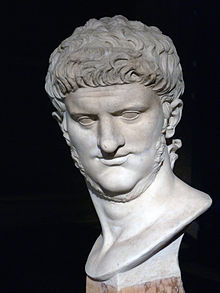
Marco Valerio Marziale, commonly known as Martial, was a renowned Roman poet whose sharp wit and keen observations made a significant impact on Roman literature. Born on March 1, 40 AD in Augusta Bilbilis (modern-day Calatayud, Spain), Marziale is best known for his epigrams—a form of short, witty poems that reflect both the social life and political landscape of his time. This article delves into his life, achievements, and enduring legacy, exploring the historical context that shaped his work.
Early Life and Education
Marco Valerio Marziale was born during the early years of the Roman Empire, in a city that was part of the Roman province of Hispania Tarraconensis. His early years were spent studying rhetoric and grammar, essential skills for anyone aspiring to make a mark in Roman literary and political circles. In his youth, Marziale was deeply influenced by the vibrant intellectual environment of his hometown.
Around 64 AD, Marziale left his native Bilbilis to seek greater opportunities in Rome, the heart of the Roman Empire. The transition from a provincial town to the bustling capital city was a significant one, marked by both challenges and opportunities. In Rome, Marziale quickly made connections with influential figures, including the renowned philosopher Lucius Annaeus Seneca and the poet Lucan. These relationships played a crucial role in his early career, providing him with the support and exposure necessary to advance his literary ambitions.
Rise to Fame
Marziale’s early success in Rome can be attributed to his friendships and his exceptional literary talent. He began to gain recognition through his epigrams, a genre known for its brevity and incisiveness. The epigrammatic style allowed him to comment on contemporary society and politics with both humor and critique.
One of the turning points in Marziale’s career was the failed conspiracy of Calpurnius Piso against Emperor Nero. This political turmoil had far-reaching consequences for many intellectuals and poets of the time, including Marziale. The exposure and subsequent downfall of his friends, Seneca and Lucan, left Marziale in a precarious position. Despite this, he managed to survive and continued to thrive in the literary world.
Major Works and Achievements
Marziale’s literary output is extensive, but his most notable works are his epigram collections. His epigrams are characterized by their sharp wit, social commentary, and vivid portrayals of Roman life. Among his most famous works are:
Liber de Spectaculis
Written in 80 AD to celebrate the inauguration of the Flavian Amphitheatre (Colosseum) by Emperor Titus, Liber de Spectaculis is a collection of epigrams that vividly describe the games and spectacles held in honor of the event. This work not only commemorates a significant architectural achievement but also offers insight into the public entertainment culture of ancient Rome.
Xenia and Apophoreta
Published in 84 AD, these two collections are notable for their focus on the customs surrounding gift-giving during Roman festivals. Xenia contains epigrams that accompany gifts given during the Saturnalia, a festival known for its revelry and role reversals. Apophoreta consists of epigrams for gifts given to guests at banquets. These works highlight Marziale’s observational skills and his ability to blend humor with cultural critique.
Book XIII and Book XIV
These collections include additional epigrams that continue Marziale’s exploration of Roman society, politics, and personal experiences. His epigrams often reflect his personal circumstances and frustrations, including his struggles with poverty and dependence on patrons.
Challenges and Personal Struggles
Despite his literary success, Marziale faced significant personal and economic difficulties. The political instability of his time, including the tumultuous reigns of emperors like Nero and Domitian, affected his career. Marziale’s praise for the unpopular Domitian led to his works being scrutinized and his support diminishing under subsequent emperors, such as Nerva and Trajan.
Marziale’s financial struggles were compounded by his reliance on the patronage system, which was a common practice among Roman writers and poets. His life as a client, dependent on the generosity of wealthy patrons, is reflected in his epigrams, where he often expressed his dissatisfaction with his social status.
Later Life and Legacy
In 98 AD, Marziale returned to his hometown of Augusta Bilbilis with the support of his friend Pliny the Younger. The move marked a period of relative peace for Marziale, allowing him to reflect on his life and career. He received a small estate from a local admirer, Marcella, which provided him with some financial stability.
Marziale’s final work, Book XII, reflects his nostalgia for Rome and his mixed feelings about his career. His epigrams from this period reveal a deep sense of longing for the capital and an acknowledgment of the difficulties he faced throughout his life.
Marco Valerio Marziale died in 104 AD at the age of 64. His death marked the end of a literary career that had profoundly influenced Roman literature and culture.
Impact and Legacy
Marziale’s epigrams remain an essential part of classical literature. His ability to capture the essence of Roman life, from the grandiose spectacles to the mundane realities of daily existence, makes his work a valuable historical resource. His sharp wit and critical eye offer insights into the social, political, and cultural dynamics of his time.
The influence of Marziale’s epigrams extends beyond his own era. His innovative use of the epigrammatic form has inspired countless writers and poets throughout history. His work is studied for its literary merit and its reflection of Roman society, providing a window into the complexities of life in ancient Rome.
In conclusion, Marco Valerio Marziale stands as a significant figure in Roman literary history. His epigrams not only entertain but also provide a critical lens through which we can understand the world of ancient Rome. His legacy endures through his writings, which continue to be celebrated for their literary excellence and historical value.


