
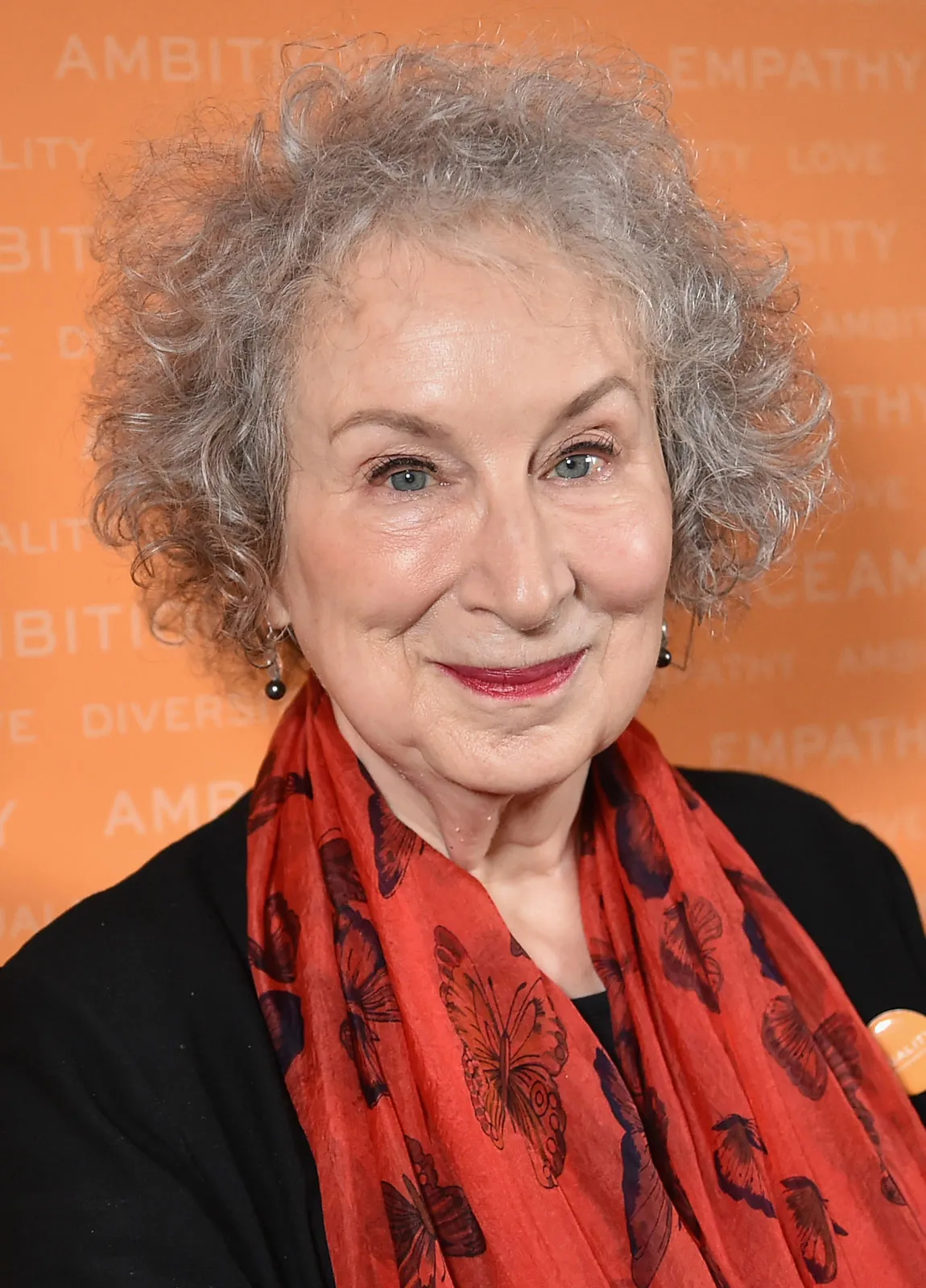
Margaret Atwood, an illustrious Canadian author, poet, and literary critic, has left an indelible mark on contemporary literature. Renowned for her profound storytelling and insightful exploration of societal issues, Atwood’s work spans decades and genres, earning her global recognition and numerous awards. This comprehensive look at Margaret Atwood’s life will explore her early years, rise to fame, significant achievements, and lasting impact, providing detailed insights and historical context to understand this iconic figure.
Early Life and Education
Birth and Family Background
Margaret Eleanor Atwood was born on November 18, 1939, in Ottawa, Ontario, Canada. Her father, Carl Edmund Atwood, was an entomologist, and her mother, Margaret Dorothy Killam, was a former dietitian and nutritionist. Growing up in a family deeply connected to nature, Atwood spent much of her childhood in the forests of northern Quebec, where her father conducted research.
Education and Early Influences
Atwood’s early education was unconventional, reflecting her parents’ academic and exploratory lifestyle. She attended school intermittently until the age of 11, relying on books and the natural world for learning. Atwood later attended Leaside High School in Toronto and went on to study at Victoria College in the University of Toronto, where she earned her Bachelor of Arts in English in 1961. She pursued her Master’s degree at Radcliffe College, Harvard University, where she studied American literature.
Early Career and Literary Breakthrough
First Publications
Margaret Atwood’s literary career began in the early 1960s with the publication of her first collection of poetry, “Double Persephone” (1961). This debut work earned her the E.J. Pratt Medal, signaling the arrival of a significant new voice in Canadian literature. Her early poetry often explored themes of identity, mythology, and the natural world, laying the groundwork for her later works.
Rise to Fame with “The Edible Woman”
Atwood’s first novel, “The Edible Woman,” was published in 1969 and marked her breakthrough in the literary world. The novel, a satirical examination of consumer culture and gender roles, resonated with readers and critics alike. It established Atwood as a bold and innovative writer, unafraid to tackle complex societal issues through fiction.
Major Works and Literary Contributions
“The Handmaid’s Tale”
One of Atwood’s most renowned works, “The Handmaid’s Tale,” was published in 1985. This dystopian novel explores themes of power, gender, and totalitarianism in a chilling depiction of a near-future society where women are subjugated. The book’s powerful narrative and timely themes have made it a staple in literary studies and a source of inspiration for adaptations, including the acclaimed television series of the same name.
“Alias Grace” and Historical Fiction
In 1996, Atwood published “Alias Grace,” a historical fiction novel based on the true story of Grace Marks, a convicted murderer in 19th-century Canada. The novel delves into themes of memory, identity, and justice, showcasing Atwood’s skill in blending historical facts with fiction to create compelling narratives. “Alias Grace” further solidified Atwood’s reputation as a master storyteller and was adapted into a successful television miniseries.
“The MaddAddam Trilogy”
Atwood’s exploration of speculative fiction continued with “The MaddAddam Trilogy,” consisting of “Oryx and Crake” (2003), “The Year of the Flood” (2009), and “MaddAddam” (2013). These novels present a dystopian vision of the future, addressing issues such as genetic engineering, environmental collapse, and the ethics of scientific experimentation. The trilogy reflects Atwood’s keen interest in the intersections of science, society, and the environment.
Awards and Recognition
Literary Awards
Margaret Atwood’s contributions to literature have been recognized with numerous prestigious awards. She has won the Governor General’s Award, Canada’s highest literary honor, twice: first for her poetry collection “The Circle Game” (1966) and later for her novel “The Handmaid’s Tale.” Atwood has also received the Booker Prize for “The Blind Assassin” (2000) and was shortlisted multiple times for this esteemed award.
International Recognition
Atwood’s influence extends beyond Canada, earning her international acclaim. She has received honorary degrees from various universities worldwide and has been a prominent figure at literary festivals and events. Atwood’s work has been translated into over 40 languages, reflecting her global impact and the universal relevance of her themes.
Personal Life and Interests
Family and Relationships
Margaret Atwood’s personal life has been marked by her relationships and family connections. She married Jim Polk, an American writer, in 1968, but the marriage ended in divorce in 1973. Atwood later partnered with fellow novelist Graeme Gibson, with whom she had a daughter, Eleanor Jess Atwood Gibson, in 1976. The couple remained together until Gibson’s death in 2019, sharing a deep bond over their literary and environmental interests.
Environmental Advocacy
Atwood’s passion for the environment, rooted in her childhood experiences, has been a significant aspect of her life and work. She is an advocate for environmental conservation and sustainability, often incorporating these themes into her writing. Atwood has been involved with several environmental organizations and initiatives, using her platform to raise awareness about climate change and ecological preservation.
Impact and Legacy
Influence on Contemporary Literature
Margaret Atwood’s impact on contemporary literature is profound. Her exploration of feminist themes, speculative fiction, and societal critique has influenced countless writers and scholars. Atwood’s ability to weave intricate narratives that challenge readers to think critically about their world has made her a central figure in literary studies and cultural discussions.
Adaptations and Media
Atwood’s work has been adapted into various media forms, extending her influence beyond the literary world. The television adaptation of “The Handmaid’s Tale” has become a cultural phenomenon, sparking discussions about gender, power, and resistance. Other adaptations, such as “Alias Grace,” have further demonstrated the enduring relevance and appeal of her stories.
Educational Contributions
Atwood’s work is widely studied in academic settings, from high school curricula to university courses. Her novels and essays are often included in discussions about feminist literature, dystopian fiction, and Canadian culture. Atwood has also contributed to education through her teaching roles at institutions such as the University of British Columbia and New York University.
Nuances and Historical Context
Feminism and Gender Politics
A central theme in Atwood’s work is the exploration of feminism and gender politics. Her novels often critique patriarchal structures and highlight the struggles and resilience of women. “The Handmaid’s Tale” is a prime example, offering a stark commentary on the control and oppression of women’s bodies and rights. Atwood’s nuanced approach to these issues has resonated with readers and scholars, contributing to ongoing dialogues about gender equality.
Speculative Fiction and Real-World Parallels
Atwood’s speculative fiction, including “The Handmaid’s Tale” and “The MaddAddam Trilogy,” blurs the line between fiction and reality. Her dystopian visions are grounded in real-world issues, such as environmental degradation, genetic manipulation, and political tyranny. Atwood’s ability to extrapolate current trends into plausible futures has made her work a valuable tool for examining contemporary societal challenges.
Canadian Identity and Culture
As a Canadian writer, Atwood has also explored themes related to Canadian identity and culture. Her works often reflect the landscapes, histories, and social dynamics of Canada, contributing to the nation’s literary heritage. Atwood’s engagement with Canadian issues, from environmental concerns to cultural identity, has solidified her role as a key figure in Canadian literature.
Challenges and Controversies
Criticisms and Debates
While Atwood’s work is widely celebrated, it has also faced criticism and sparked debate. Some critics argue that her portrayal of dystopian societies can be overly pessimistic or didactic. Others have questioned her approaches to certain feminist issues, suggesting that her perspectives may not fully encompass the diversity of women’s experiences. Despite these critiques, Atwood’s willingness to engage with complex and contentious topics has kept her work relevant and thought-provoking.
Balancing Public and Private Life
As a public figure, Atwood has navigated the challenges of balancing her private life with her public persona. She has maintained a degree of privacy about her personal relationships and family life, while also being an outspoken advocate for various social and environmental causes. This balance has allowed her to sustain a long and influential career while staying true to her personal values and commitments.
Conclusion
Margaret Atwood’s life and work stand as a testament to the power of literature to illuminate, challenge, and inspire. From her early years in the Canadian wilderness to her rise as a globally acclaimed author, Atwood has consistently pushed the boundaries of storytelling and societal critique. Her exploration of themes such as feminism, environmentalism, and dystopian futures has resonated with readers worldwide, earning her a lasting place in the literary canon.
Atwood’s impact extends beyond her written work, influencing education, media, and public discourse. Her legacy as a writer, thinker, and advocate continues to inspire new generations of readers and writers, reminding us of the enduring power of words to shape our understanding of the world.


