
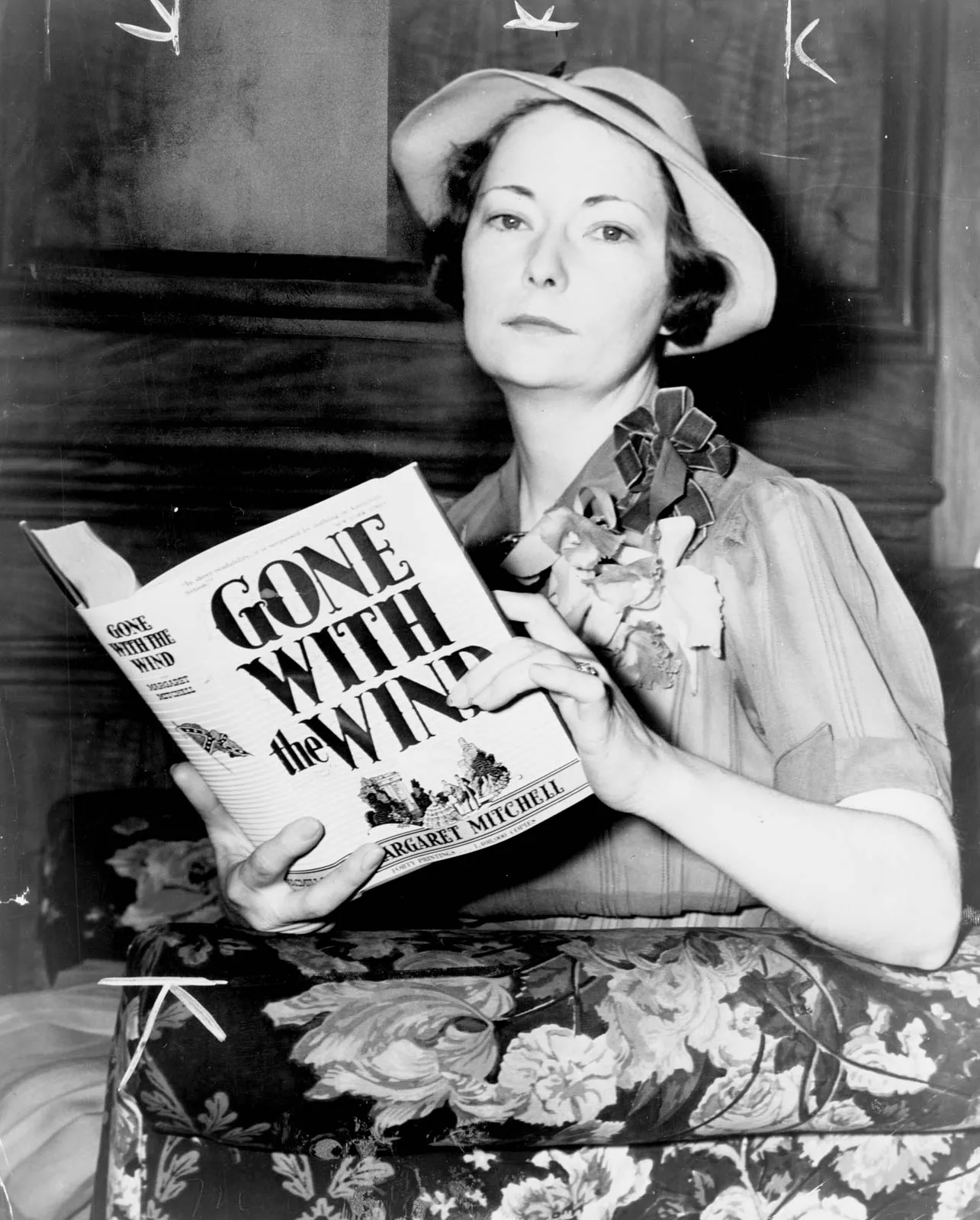
Margaret Mitchell is a name that resonates strongly with American literature enthusiasts, primarily due to her remarkable contribution to the literary world with her only novel, “Gone with the Wind.” This iconic piece of literature has not only earned her a place in literary history but has also cemented her status as one of the most famous authors in American history. In this article, we will delve into the life of Margaret Mitchell, exploring her age, fame, and key life highlights that shaped her journey as a writer.
Early Life and Background
Margaret Munnerlyn Mitchell was born on November 8, 1900, in Atlanta, Georgia, into a family of deep Southern roots. Her father, Eugene Muse Mitchell, was an attorney, and her mother, Mary Isabelle, was a suffragist with a strong personality. Growing up in a family with a rich historical background, Mitchell was exposed to stories of the Civil War and Reconstruction from an early age, which would later become a significant influence on her writing.
Mitchell’s early education took place at a private school, where she showed little interest in academics but demonstrated a vivid imagination and a love for storytelling. Despite her lackluster performance in school, she was a lively and spirited child, often entertaining her family with tales of adventure.
Tragedy and Loss
Margaret Mitchell’s life was marked by a series of personal tragedies that shaped her worldview and, consequently, her writing. At the age of 15, she experienced her first major loss when her fiancé, Clifford Henry, was killed in action during World War I. This devastating event had a profound impact on her, instilling in her a deep sense of loss and grief that would later permeate her literary work.
In 1919, Mitchell faced another significant loss when her mother passed away from the Spanish flu. The death of her mother forced Mitchell to leave college and return home to take care of her father and brother. This period of her life was marked by introspection and a search for purpose, eventually leading her to pursue a career in writing.
Early Career and Personal Life
In 1922, Mitchell married Berrien “Red” Upshaw, an ex-football player with a troubled past. However, the marriage was short-lived, lasting only two years before ending in divorce. Despite the failure of her first marriage, Mitchell was determined to move forward with her life and career. She began working as a journalist for the Atlanta Journal, where she gained valuable experience in writing and storytelling.
During this time, Mitchell met and married John Robert Marsh, an editor at the Atlanta Journal, who would become her lifelong companion and support system. It was Marsh who encouraged Mitchell to write her first and only novel, “Gone with the Wind,” during a period of convalescence following an ankle injury.
The Creation of “Gone with the Wind”
The idea for “Gone with the Wind” was born out of Mitchell’s love for storytelling and her fascination with the history of the American South. Drawing on the stories she had heard from her family about the Civil War and Reconstruction, Mitchell began writing the novel in 1926. What started as a simple project to pass the time during her recovery soon evolved into an epic tale of love, loss, and survival set against the backdrop of the American Civil War.
“Gone with the Wind” was published in 1936, and its success was immediate and overwhelming. The novel quickly became a bestseller, capturing the imagination of readers across the country with its vivid portrayal of the South during the Civil War and its aftermath. The story of Scarlett O’Hara, a headstrong Southern belle, and her tumultuous relationship with Rhett Butler, resonated with readers, earning Mitchell the Pulitzer Prize for Fiction in 1937.
Fame and Legacy
The success of “Gone with the Wind” catapulted Margaret Mitchell to international fame. The novel was adapted into a film in 1939, directed by Victor Fleming and starring Vivien Leigh as Scarlett O’Hara and Clark Gable as Rhett Butler. The film adaptation was a massive success, becoming one of the highest-grossing films of all time and winning multiple Academy Awards.
Despite her newfound fame, Mitchell remained a private person, shying away from the spotlight and avoiding interviews and public appearances. She continued to live in Atlanta with her husband, where she devoted her time to charitable work and supporting various causes, including the American Red Cross and the USO.
Margaret Mitchell’s life was tragically cut short on August 16, 1949, when she was struck by a taxi while crossing the street in Atlanta. She succumbed to her injuries five days later, leaving behind a legacy that continues to endure to this day.
Historical Context and Impact
To truly understand the significance of Margaret Mitchell’s work, it is essential to explore the historical context in which she wrote. The American South, during the Civil War and Reconstruction, was a region marked by deep social and economic upheaval. The war had devastated the Southern states, leading to widespread poverty, loss of life, and a complete transformation of the social order.
Mitchell’s portrayal of the South in “Gone with the Wind” reflects the complex and often contradictory nature of this period. On the one hand, the novel romanticizes the antebellum South, with its grand plantations and genteel society. On the other hand, it also presents a stark and unflinching depiction of the hardships faced by those who lived through the war and its aftermath.
One of the most significant aspects of “Gone with the Wind” is its exploration of the themes of survival and resilience. Through the character of Scarlett O’Hara, Mitchell illustrates the indomitable spirit of those who refused to be defeated by the challenges they faced. Scarlett’s determination to rebuild her life after the war, despite the numerous obstacles in her path, serves as a powerful reminder of the strength of the human spirit.
However, it is important to note that “Gone with the Wind” has also been the subject of criticism for its portrayal of slavery and race relations. The novel has been accused of glorifying the Old South and perpetuating racist stereotypes, particularly in its depiction of African American characters. These criticisms have sparked debates about the novel’s place in the canon of American literature and its relevance in contemporary society.
Margaret Mitchell’s Influence on American Literature
Margaret Mitchell’s influence on American literature cannot be overstated. “Gone with the Wind” remains one of the best-selling novels of all time, with over 30 million copies sold worldwide. The novel’s impact extends beyond its commercial success; it has become a cultural touchstone, influencing countless works of fiction, film, and television.
Mitchell’s portrayal of the South during the Civil War has shaped the way Americans view this period in history. Her vivid descriptions of the landscapes, people, and events of the time have left an indelible mark on the collective imagination, making “Gone with the Wind” a defining work of Southern literature.
In addition to its literary impact, “Gone with the Wind” has also had a profound influence on the film industry. The 1939 film adaptation is considered one of the greatest movies ever made, and its success paved the way for future adaptations of literary classics. The film’s portrayal of Scarlett O’Hara and Rhett Butler has become iconic, with Leigh and Gable’s performances remaining etched in the annals of Hollywood history.
Conclusion
Margaret Mitchell’s life and work continue to captivate audiences nearly a century after the publication of “Gone with the Wind.” Her story is one of resilience, creativity, and a deep connection to the history of the American South. While her legacy is not without controversy, there is no denying the lasting impact she has had on American literature and culture.
As we reflect on Mitchell’s contributions, it is essential to recognize the complexities of her work and the historical context in which she wrote. “Gone with the Wind” is more than just a novel; it is a window into a tumultuous period in American history, offering insights into the struggles and triumphs of those who lived through it. Margaret Mitchell may have only written one novel, but it is a work that continues to resonate with readers around the world, ensuring her place in the pantheon of great American authors.


