
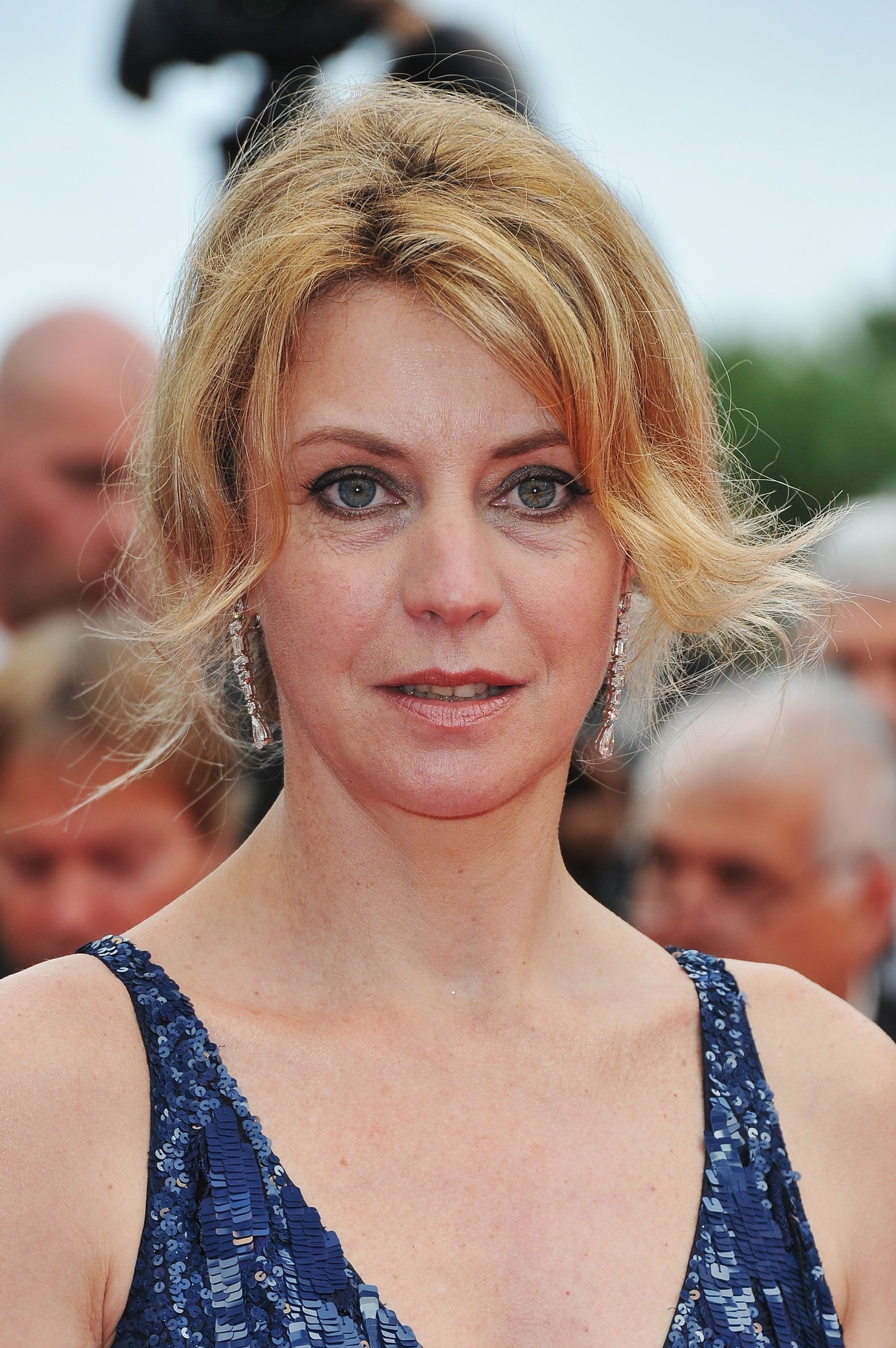
Margherita Buy, born on January 15, 1962, in Rome, Italy, is one of the most revered and celebrated actresses in Italian cinema. Known for her sophisticated and elegant screen presence, Buy has built a career characterized by versatility, depth, and an unwavering commitment to her craft. Over the years, she has become a symbol of Italian cinema, embodying both the dramatic and comedic aspects of film with equal grace. Her journey from a young drama student to one of Italy’s most beloved actresses is a testament to her talent, dedication, and ability to connect with audiences across generations.
Early Life and Education
Margherita Buy was born into a well-educated family in Rome, where she developed an early interest in the arts. From a young age, she displayed a natural affinity for performance, leading her to pursue acting as a serious career. After completing her studies at the Liceo Scientifico Azzarita in Rome, Buy decided to hone her craft by enrolling at the National Academy of Dramatic Arts (Accademia Nazionale d’Arte Drammatica). This decision marked the beginning of her formal training, where she was immersed in the rigors of classical acting and performance.
Her time at the Academy was instrumental in shaping her acting style. It was here that she learned the nuances of dramatic interpretation and the importance of subtlety in performance—qualities that would become hallmarks of her acting career. During her studies, Buy also began to make connections with future collaborators, including Sergio Rubini, who would play a significant role in her early professional life.
Early Career: From Theater to Cinema
Margherita Buy’s acting career began on the stage, where she quickly made a name for herself as a talented and committed actress. The theater provided her with a solid foundation in performance, allowing her to explore a wide range of characters and emotions. Her work on stage did not go unnoticed, and it wasn’t long before she transitioned to the world of cinema, a move that would define her career.
Buy’s early film roles were often in collaboration with directors who recognized her potential and gave her the opportunity to shine. One of her first significant roles was in Daniele Luchetti’s Domani accadrà (1988), a film that showcased her ability to convey complex emotions with subtlety and depth. This film marked the beginning of a fruitful relationship with Luchetti, leading to further collaborations that would cement her status as a leading actress in Italian cinema.
Another pivotal moment in her early career was her collaboration with Sergio Rubini, both professionally and personally. The two met during their time at the Academy, and their partnership extended into their work, with Rubini directing Buy in several films. One of their most notable collaborations was the film La stazione (1990), a project that began as a stage play. Buy’s performance in the film earned her the David di Donatello Award for Best Actress, establishing her as a force to be reckoned with in the Italian film industry.
Rise to Fame: The 1990s and Breakthrough Roles
The 1990s were a defining decade for Margherita Buy, as she took on a series of roles that showcased her versatility and range as an actress. This period saw her working with some of Italy’s most renowned directors, including Giuseppe Piccioni, Ferzan Ozpetek, and Carlo Verdone, each of whom brought out different aspects of her talent.
One of her most memorable performances from this era was in Carlo Verdone’s Maledetto il giorno che t’ho incontrato (1992), a film that revealed Buy’s comedic timing and ability to navigate the intricacies of humor with the same ease as drama. Her portrayal of a neurotic woman struggling with love and relationships resonated with audiences and critics alike, further solidifying her reputation as a leading actress.
Another significant collaboration during the 1990s was with Giuseppe Piccioni, a director with whom Buy would work multiple times. Their first film together, Chiedi la luna (1991), was followed by Condannato a nozze (1993), and later Cuori al verde (1996). These films highlighted Buy’s ability to convey vulnerability and strength in equal measure, making her a favorite among directors who sought to portray complex female characters.
Buy’s work with Ferzan Ozpetek also deserves special mention. Their collaboration began with the film Le fate ignoranti (2001), in which Buy played the role of a woman who discovers her deceased husband’s secret life. The film was a critical and commercial success, and Buy’s performance was praised for its emotional depth and authenticity. Ozpetek and Buy would go on to collaborate on several other films, including Saturno contro (2007), which further showcased Buy’s ability to navigate intricate emotional landscapes.
Continued Success and Critical Acclaim
As the 2000s progressed, Margherita Buy continued to deliver performances that were both critically acclaimed and loved by audiences. She became known for her ability to portray a wide range of emotions, from the comedic to the deeply dramatic, often within the same film. Her collaboration with Cristina Comencini in films such as Va’ dove ti porta il cuore (1996) and Il più bel giorno della mia vita (2002) further exemplified her range and ability to connect with characters on a deeply emotional level.
One of Buy’s most challenging roles came in the film Lo spazio bianco (2009), directed by Cristina Comencini. In this film, Buy played the role of a mother who gives birth to a premature baby and must navigate the emotional and physical challenges that come with it. Her performance was lauded for its raw honesty and vulnerability, earning her yet another David di Donatello Award.
Buy’s work with Nanni Moretti, one of Italy’s most respected directors, also stands out during this period. In Habemus Papam (2011), Buy played the role of a psychologist called to help a newly elected Pope who is struggling with his new role. The film was well-received, and Buy’s performance added a layer of complexity to the narrative, showcasing her ability to bring depth to every role she undertakes.
Later Career and Recent Works
Margherita Buy has continued to work steadily in the Italian film industry, taking on roles that challenge her and allow her to explore different aspects of her craft. Her performance in Nanni Moretti’s Tre piani (2021) is a recent example of her ongoing commitment to high-quality cinema. In this film, Buy plays a key role in a story that explores the lives of residents in a Roman apartment building, dealing with themes of guilt, responsibility, and the impact of individual actions on the community.
Throughout her career, Buy has received numerous accolades, including multiple David di Donatello Awards, Silver Ribbons (Nastro d’Argento), and Golden Globes (Globo d’Oro), making her one of the most awarded actresses in Italian cinema. These honors reflect her standing as a leading figure in the industry, recognized for her contributions to both film and theater.
Personal Life and Legacy
Margherita Buy’s personal life has been characterized by a desire to maintain privacy, despite her public career. Her marriage to Sergio Rubini ended in 1993, but the two continued to work together professionally even after their separation. Buy later had a daughter, Caterina, with her current partner Renato De Angelis, and she has always been careful to keep her personal life out of the spotlight.
Buy’s legacy in Italian cinema is marked by her ability to bring authenticity and depth to every role she takes on. Whether in drama or comedy, she has consistently delivered performances that resonate with audiences and critics alike. Her influence extends beyond her own work, as she has become a role model for younger actresses who admire her dedication to the craft and her ability to balance a successful career with a grounded personal life.
Conclusion
Margherita Buy’s career is a testament to the power of subtlety, depth, and versatility in acting. Over the course of several decades, she has established herself as one of Italy’s most beloved actresses, with a body of work that spans theater, film, and television. Her commitment to her craft, her ability to connect with audiences, and her willingness to take on challenging and diverse roles have solidified her place in the pantheon of Italian cinema. As she continues to take on new projects, Margherita Buy remains a shining example of the enduring power of quality acting.


