
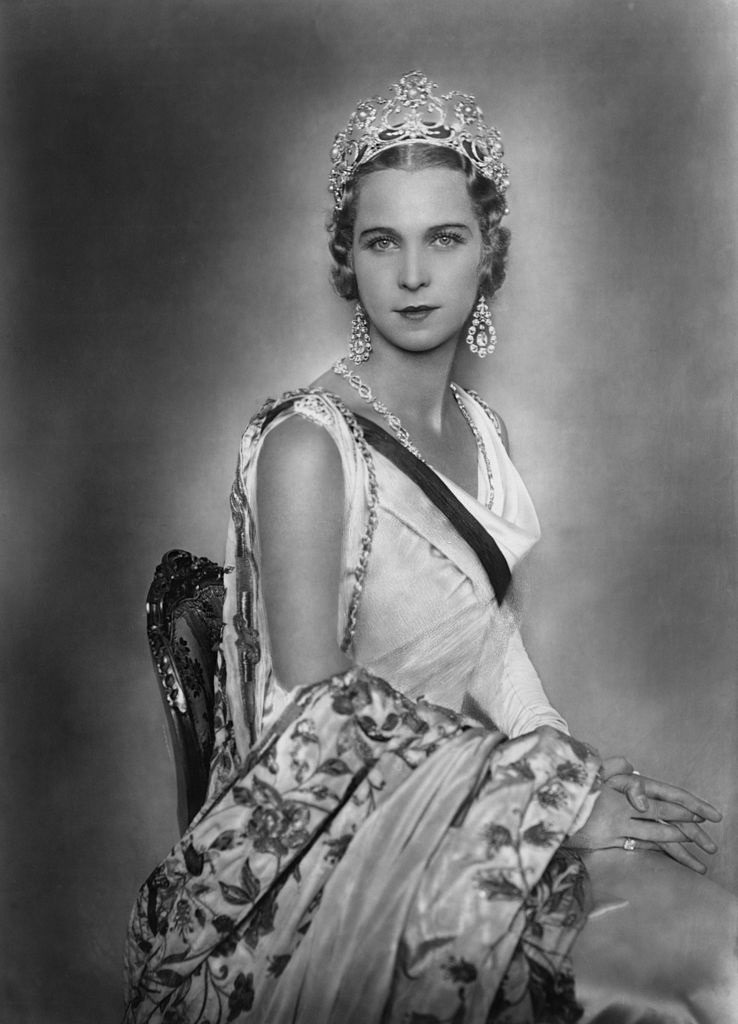
Maria José del Belgio, born Marie José Carlotta Sophia Amelia Enrichetta Gabriella di Sassonia Coburgo-Gotha on August 4, 1906, in Ostend, Belgium, is a name etched in history as the last queen of Italy. Despite her brief reign of just one month, from May 9 to June 12, 1946, Maria José’s life is a fascinating tale of nobility, intellect, and resistance, marked by her opposition to fascism and her complex relationship with the Italian monarchy. This article delves deep into her life, exploring her age, fame, and the key highlights that defined her existence.
Early Life and Royal Lineage
Maria José was born into the royal family of Belgium, the daughter of King Albert I of Belgium and Queen Elisabeth of Bavaria. Her upbringing was steeped in cultural richness, with a strong emphasis on the arts and intellectual pursuits. Her family, known for their open-mindedness, played a pivotal role in shaping Maria José’s strong personality and keen intellect. She grew up alongside her two older brothers, Leopold and Charles Theodore, and from an early age, she exhibited a natural inclination towards the arts, particularly music and literature.
Maria José’s early education was a blend of Belgian and Italian influences, as she was promised in marriage to the Italian royal house at a young age. This arranged union was part of the broader European tradition of securing alliances through matrimonial ties. In 1916, at the tender age of ten, Maria José met her future husband, Umberto II of Savoy, at the Castello di Lispida in Battaglia Terme, Italy. This meeting marked the beginning of her lifelong association with Italy, a country that would play a central role in her life.
Education and Preparation for Royalty
Maria José received a comprehensive education that was both rigorous and diverse. She attended the prestigious Villa di Poggio Imperiale in Florence, a renowned girls’ school, where she immersed herself in Italian language and literature. This education was not only a preparation for her future role as the Princess of Piedmont but also a reflection of her family’s commitment to nurturing her intellectual growth.
Her education continued with further studies in England and Belgium, where she honed her intellectual abilities. These formative years were marked by the tumultuous backdrop of World War I, which saw her father, King Albert I, actively leading the Belgian army. The war had a profound impact on Maria José, shaping her worldview and reinforcing her resolve to serve her people.
Marriage to Umberto II: The Princess of Piedmont
On January 8, 1930, Maria José married Umberto II of Savoy, then the Prince of Piedmont, in a grand ceremony at the Pauline Chapel of the Quirinal Palace in Rome. The wedding was a significant event, symbolizing the union of two prominent European royal families. The celebrations lasted three days and were estimated to have cost five million lire, a staggering sum at the time.
The marriage, however, was not without its challenges. The political climate in Italy was tense, with the rise of Benito Mussolini’s fascist regime. Maria José, known for her strong anti-fascist sentiments, found herself at odds with the Italian government and the Savoy family, who were aligned with Mussolini. Her outspokenness and refusal to conform to the fascist ideology made her a controversial figure within the royal circles.
Despite these challenges, Maria José embraced her role as the Princess of Piedmont with grace and dignity. She became actively involved in various humanitarian efforts, a trait she inherited from her mother, Queen Elisabeth. During World War II, Maria José played a significant role in providing aid and support to those affected by the war, earning her widespread admiration.
The Brief Reign: Queen of Italy
Maria José’s time as Queen of Italy was fleeting, yet it left an indelible mark on history. On May 9, 1946, following the abdication of her father-in-law, King Victor Emmanuel III, Umberto II ascended to the throne, making Maria José the Queen of Italy. However, their reign was short-lived, lasting only 27 days.
The period leading up to this brief reign was marked by significant political upheaval in Italy. The country was in the midst of a crucial referendum to decide between retaining the monarchy or establishing a republic. Despite their efforts to garner support for the monarchy, including engaging American advertising experts for a campaign, the Italian people voted in favor of a republic on June 2, 1946. This historic decision effectively ended the monarchy in Italy.
On June 13, 1946, Umberto II and Maria José left Italy, heading into exile. Umberto settled in Cascais, Portugal, while Maria José, along with their children, moved to Switzerland. The once-powerful royal couple would spend the rest of their lives in exile, meeting only on official occasions.
Life in Exile and Legacy
Exile marked a new chapter in Maria José’s life, one that was characterized by independence and intellectual pursuits. She purchased the Château de Merlinge in Switzerland, where she lived with her children. Although separated from her husband, Maria José continued to engage with the world around her, traveling extensively and maintaining her humanitarian and intellectual interests.
Her travels took her to various countries, including China, India, Cuba, and the United States. Maria José’s socialist leanings, influenced by her family’s progressive views, became more pronounced during this period. She never shied away from expressing her political beliefs, which were in stark contrast to the fascist ideologies she had opposed during her time as Queen of Italy.
In addition to her travels and humanitarian work, Maria José also authored several books on the House of Savoy. Her writings offered a unique perspective on the Italian royal family and the historical events that shaped their destiny. Her contributions to literature and history were recognized by the French government, which awarded her the Legion of Honor.
In 1987, Maria José was granted permission to visit Italy, a country she had been exiled from for decades. Her return was a poignant moment, marking a reconciliation with her past. However, her presence in Italy remained controversial, with some newspapers criticizing her for allegedly residing in the country illegally.
In 1992, Maria José moved to Mexico, but she eventually returned to Geneva, Switzerland, in 1996 to live with her daughter, Maria Gabriella. She spent her final years in Geneva, passing away on January 27, 2001. In accordance with her wishes, Maria José was buried in the historic Abbey of Hautecombe in Haute-Savoie, France, alongside her husband, Umberto II.
Historical Context and Nuances
To fully appreciate Maria José del Belgio’s life and legacy, it is essential to understand the historical context in which she lived. Born into a Europe marked by the waning influence of monarchies and the rise of nationalist and fascist movements, Maria José’s life was shaped by the political and social upheavals of the 20th century.
Her marriage to Umberto II was not merely a union of two individuals but a strategic alliance between two royal houses. This alliance, however, was fraught with challenges, as Maria José’s progressive views often clashed with the conservative and authoritarian tendencies of the Savoy family and the Italian government.
Maria José’s opposition to fascism and her advocacy for social justice set her apart from other royals of her time. She was not content with the traditional role of a royal consort but sought to make a meaningful impact through her humanitarian work and intellectual contributions. Her resistance to Mussolini’s regime and her efforts to aid those affected by the war highlight her courage and commitment to her principles.
Moreover, Maria José’s life in exile underscores the complexities of royal life in the modern era. Stripped of their power and influence, she and Umberto II had to navigate a world that had little place for monarchies. Despite these challenges, Maria José remained a figure of resilience and dignity, carving out a new life for herself and her children.
Conclusion
Maria José del Belgio’s life is a testament to the enduring spirit of a woman who navigated the turbulent waters of 20th-century Europe with grace, intelligence, and determination. From her early years as a Belgian princess to her brief reign as the last Queen of Italy, Maria José’s story is one of resilience, defiance, and a steadfast commitment to her values.
Her legacy, though often overshadowed by the brevity of her reign, is one of historical significance. Maria José’s life offers valuable insights into the complexities of monarchy, the challenges of political exile, and the enduring impact of a woman who refused to be confined by the expectations of her time.
For those interested in the history of European royalty, the life of Maria José del Belgio serves as a compelling case study of a royal figure who, despite the constraints of her position, made a lasting impact on the world around her. Her story is a reminder that even in the face of adversity, one can find the strength to shape their destiny and leave a meaningful legacy.


