
Introduction
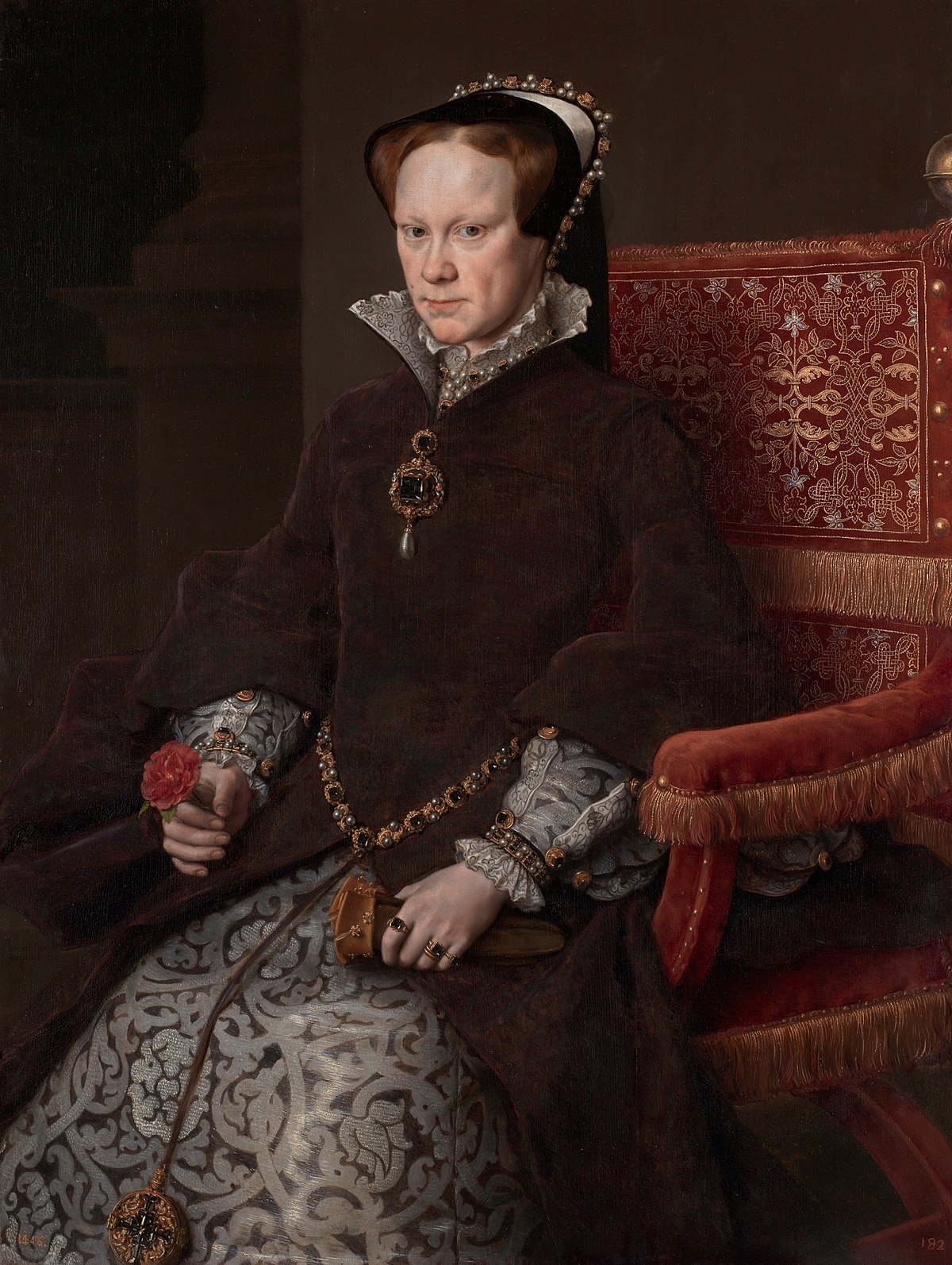
Maria I Tudor, also known as Maria la Sanguinaria or “Bloody Mary,” was a queen whose reign is shrouded in blood, controversy, and religious turmoil. Born into the tumultuous Tudor dynasty, her life was a testament to the relentless power struggles and religious conflicts that characterized 16th-century England. This article delves into the life of Maria la Sanguinaria, exploring her age, fame, and the highlights of her reign, while providing detailed insights into the historical context, religious motivations, and the lasting impact of her actions.
Early Life and Royal Heritage
Maria I Tudor was born on February 18, 1516, at the Palace of Placentia in Greenwich, England. As the daughter of King Henry VIII and Catherine of Aragon, her birth was a moment of immense hope for the Tudor dynasty. However, despite the joy surrounding her arrival, the pressure to produce a male heir loomed large over her mother, Catherine. Maria was the only surviving child of this union, as Catherine’s other pregnancies ended in miscarriages or infant deaths.
Maria’s early years were marked by a close bond with her mother and a strict Catholic upbringing. She was educated by the Countess of Salisbury, mother of Cardinal Reginald Pole, a figure who would remain a lifelong friend and influence. Her education was deeply rooted in traditional Christian values, reflecting her mother’s devout Catholicism.
The Impact of Henry VIII’s Marriages
Maria’s life took a dramatic turn when her father, Henry VIII, became involved with Anne Boleyn, a lady-in-waiting at court. Henry’s desire for a male heir and his infatuation with Anne led to his infamous split with the Roman Catholic Church. In 1533, after the Pope refused to annul his marriage to Catherine, Henry declared himself the head of the newly established Church of England, leading to the English Reformation.
This religious and political upheaval had profound personal consequences for young Maria. She was declared illegitimate, stripped of her royal title, and separated from her mother, who was banished from court. The emotional strain of these events left Maria in a state of depression, plagued by migraines and bouts of anxiety. Despite the pressure to conform to her father’s new religious order, Maria remained steadfastly loyal to the Catholic faith.
Maria’s Struggle for Legitimacy
The death of Catherine of Aragon in 1536 marked a turning point in Maria’s life. Her mother’s demise, under tragic circumstances, fueled her determination to reclaim her rightful position. That same year, Anne Boleyn, the woman responsible for much of Maria’s suffering, fell from grace and was executed on charges of treason, adultery, and incest. Henry VIII, desperate to secure a male heir, married Jane Seymour, who finally gave him the son he so desired, Edward VI.
Jane Seymour’s brief influence on Henry led to a partial reconciliation between Maria and her father. Maria was restored to the line of succession, albeit with lingering doubts about her legitimacy. Despite her father’s numerous marriages and political maneuvers, Maria’s resolve to maintain her Catholic identity remained unshaken.
The Accession of Maria I Tudor
Henry VIII died in 1547, leaving the throne to his young son, Edward VI. Edward’s reign, however, was short-lived. The boy king, under the influence of Protestant advisors, attempted to solidify the Protestant Reformation in England. Upon Edward’s death in 1553, the throne was contested, leading to a brief but intense struggle for power.
Maria, with the support of Catholic nobles and commoners, claimed the throne, asserting her right as the legitimate heir. Her ascent to the throne was marked by the execution of Lady Jane Grey, a Protestant cousin who had been declared queen by Edward’s will but ruled for only nine days. On October 1, 1553, Maria was crowned queen of England at Westminster Abbey, becoming the first queen regnant to rule the kingdom.
Restoring Catholicism: The Bloody Reign
Maria’s reign is best known for her fervent efforts to restore Catholicism in England. Her religious convictions, shaped by her mother’s influence and her own experiences of suffering, led her to reverse the Protestant reforms of her father and brother. The return to Catholicism was not merely a political maneuver but a deeply personal mission for Maria, who believed she was carrying out God’s will.
However, her methods earned her the moniker “Bloody Mary.” Between 1555 and 1558, her government sanctioned the execution of 273 Protestants, including prominent bishops and theologians, by burning them at the stake. These actions were part of her broader campaign to re-establish Catholic orthodoxy, which also involved the persecution of those who opposed her religious policies.
The Marian Persecutions, as they came to be known, were a dark chapter in England’s history. The executions were intended to serve as a deterrent to heresy and rebellion, but they ultimately deepened the religious divide in the country. Maria’s ruthless suppression of Protestantism alienated many of her subjects and tarnished her legacy.
Marriage to Philip II of Spain
In 1554, Maria married Philip II of Spain, son of the Holy Roman Emperor Charles V. This marriage was politically motivated, aimed at strengthening Catholic alliances in Europe and producing a Catholic heir to secure the Tudor dynasty’s future. However, the union was deeply unpopular in England, where fears of Spanish domination and the potential annexation of England by the Habsburg Empire ran high.
Despite these concerns, Maria was deeply infatuated with Philip, who was less enthusiastic about the marriage. The couple’s relationship was strained, with Philip spending much of his time abroad and showing little affection for his wife. Maria’s desperate longing for an heir led her to believe she was pregnant on several occasions, but these hopes were dashed when it became clear that she was suffering from phantom pregnancies, likely a symptom of a serious underlying illness.
Military and Diplomatic Failures
Maria’s reign was also marked by military and diplomatic failures. At Philip’s urging, England entered the Italian War of 1551–1559 on the side of Spain, leading to a disastrous conflict with France. The war culminated in the loss of Calais, England’s last possession in mainland France, in 1558. The loss of Calais was a severe blow to national pride and further eroded Maria’s popularity.
The military defeat, coupled with the economic hardships and religious persecution that characterized her reign, left England in a state of turmoil. By the end of her reign, Maria was deeply unpopular, and her policies were widely regarded as failures.
Death and Legacy
Maria I Tudor’s health declined rapidly in her final years. On November 17, 1558, at the age of 42, she died after enduring excruciating pain, likely from ovarian cancer. Her death marked the end of a reign that had lasted only five years but had left a profound impact on England’s religious and political landscape.
Maria’s death paved the way for her half-sister, Elizabeth I, to ascend the throne. Elizabeth’s reign, in stark contrast to Maria’s, would usher in a new era of Protestant dominance and cultural flourishing, known as the Elizabethan Age. Today, Maria la Sanguinaria is remembered as a tragic figure, whose reign was defined by her unwavering commitment to Catholicism and her brutal efforts to enforce religious conformity.
Maria’s legacy is complex. While she is often vilified for the bloodshed that occurred during her reign, her determination to restore Catholicism was born out of a deep personal conviction and a desire to honor her mother’s memory. Her actions, though extreme, were reflective of the intense religious conflicts that defined the 16th century.
Conclusion
Maria I Tudor, or Maria la Sanguinaria, remains one of the most controversial figures in English history. Her reign was marked by religious persecution, political strife, and personal tragedy. Yet, it also represents a critical moment in the history of the English Reformation and the broader European religious wars. Understanding Maria’s life and reign requires a nuanced appreciation of the historical context, her motivations, and the turbulent times in which she lived.
As we look back on Maria’s legacy, it is essential to recognize the complexities of her character and the profound challenges she faced as a female monarch in a male-dominated world. Her story is a reminder of the enduring power of faith, the dangers of fanaticism, and the intricate web of personal and political forces that shape history.


