
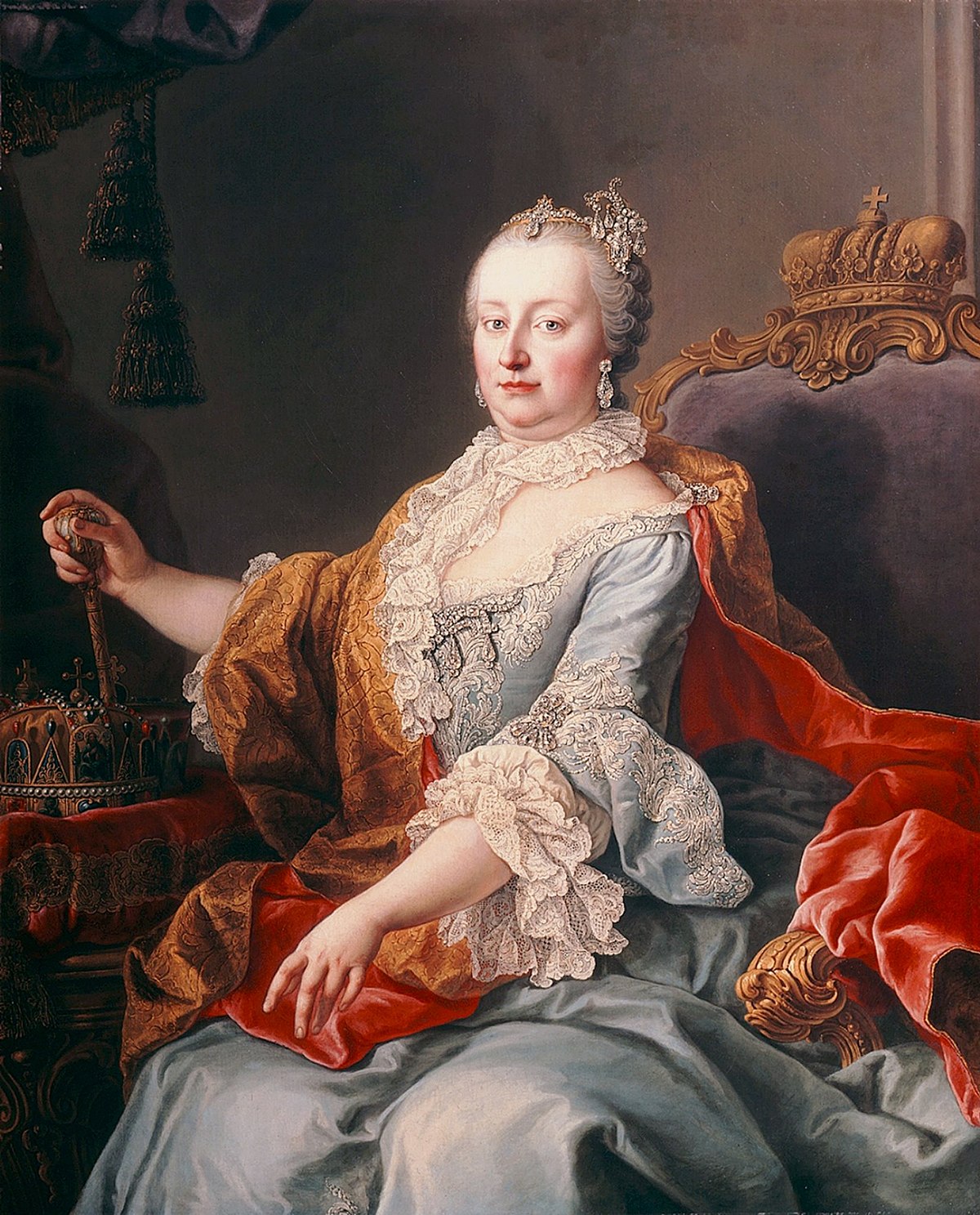
Maria Teresa d’Asburgo, also known as Maria Theresa of Austria, was one of the most powerful and influential monarchs in European history. Born on May 13, 1717, in Vienna, Austria, she became the ruler of the Habsburg dominions, including Austria, Hungary, and Bohemia, after the death of her father, Emperor Charles VI. Her reign, which lasted for 40 years, was marked by extensive political, social, and economic reforms that left an indelible mark on the history of Europe. This article delves into the life, fame, and significant milestones of Maria Teresa d’Asburgo, exploring how she rose to power, her contributions to her empire, and her enduring legacy.
Early Life and Education
Maria Teresa was born into the House of Habsburg, one of the most powerful royal families in Europe. Her father, Emperor Charles VI, and her mother, Elisabeth Christine of Brunswick-Wolfenbüttel, ensured that she received a comprehensive education befitting her status as a future ruler. Despite the high level of education she received, Maria Teresa was not formally trained in politics, which was traditionally reserved for male heirs. However, her involvement in state affairs began early, as she accompanied her father to meetings of the Imperial Council from the age of fourteen.
Her upbringing in the Habsburg court exposed her to the complexities of European politics, and she quickly developed a keen understanding of the challenges facing her dynasty. This early exposure to governance would prove invaluable when she ascended the throne at a young age, thrust into the role of empress amidst a volatile political landscape.
Ascension to Power and Early Challenges
Maria Teresa’s rise to power was unprecedented. Upon the death of her father in 1740, she inherited the Habsburg throne through the Pragmatic Sanction, a legal mechanism established by Charles VI to ensure that his eldest daughter could succeed him in the absence of a male heir. However, her succession was not universally recognized, and she faced immediate challenges from several European powers, including Prussia, Bavaria, and France, who saw an opportunity to weaken the Habsburg Empire.
The most significant of these challenges came from Frederick II of Prussia, who seized the rich province of Silesia, triggering the War of Austrian Succession (1740-1748). Maria Teresa’s early reign was marked by this conflict, during which she demonstrated extraordinary resilience and leadership. Despite the loss of Silesia, she managed to preserve the core of her empire and secure the loyalty of Hungary, which played a crucial role in her ability to maintain her rule.
Maria Teresa’s determination and strategic acumen earned her the respect of her subjects and the admiration of her allies. Her ability to navigate the treacherous waters of European politics, while simultaneously managing the internal affairs of her empire, solidified her reputation as one of the most capable rulers of her time.
Reforms and Consolidation of Power
Following the conclusion of the War of Austrian Succession, Maria Teresa focused on strengthening and modernizing her empire. Her reign was characterized by a series of comprehensive reforms that touched every aspect of life in the Habsburg territories. These reforms were aimed at centralizing the administration, increasing state revenues, and modernizing the military, all of which were essential for maintaining the Habsburg Empire’s position in Europe.
One of Maria Teresa’s most significant achievements was the introduction of compulsory primary education in 1774. This reform was revolutionary for its time, as it aimed to improve literacy and provide a basic education to all children, regardless of their social status. The education reform was funded by the wealth seized from the Jesuit order, which she had suppressed, reflecting her commitment to both secularism and the modernization of society.
In addition to her educational reforms, Maria Teresa also undertook significant financial and administrative reforms. She introduced a new tax system that extended to the nobility, who had previously been exempt from many forms of taxation. This was part of her broader effort to create a more equitable and efficient state. The establishment of a land registry, or cadastre, was another key reform that helped to increase state revenues by ensuring that all landowners, including the nobility, were properly taxed.
Maria Teresa also sought to reduce the power of the Catholic Church within her empire. Although she was a devout Catholic, she believed that the church should not interfere in the affairs of the state. She reduced the influence of the clergy by limiting the church’s control over education and by asserting the state’s right to supervise religious institutions. Her policies in this regard laid the groundwork for the later reforms of her son and successor, Joseph II.
Foreign Policy and Military Campaigns
Maria Teresa’s foreign policy was shaped by the need to defend her empire against external threats and to maintain its position as one of the leading powers in Europe. Her reign saw several military conflicts, including the Seven Years’ War (1756-1763), in which she sought to recover Silesia from Prussia. Although the war ended without any significant territorial changes, it demonstrated Maria Teresa’s determination to defend her empire’s interests.
In the latter part of her reign, Maria Teresa pursued an expansionist policy in collaboration with her son, Joseph II. This period saw the partition of Poland in 1772, in which Austria, along with Prussia and Russia, divided large parts of Polish territory among themselves. Maria Teresa’s acquisition of Galicia and Lodomeria expanded the Habsburg Empire’s influence in Eastern Europe and demonstrated her willingness to engage in realpolitik to secure her empire’s interests.
Another significant military achievement of Maria Teresa’s reign was the War of the Bavarian Succession (1778-1779), which resulted in Austria’s acquisition of the Innviertel region. This conflict was part of her broader strategy to consolidate and expand her empire’s territories, ensuring its continued strength in a rapidly changing European landscape.
Cultural Patronage and Legacy
Maria Teresa was not only a formidable political leader but also a great patron of the arts and culture. Under her reign, Vienna became a major cultural center, attracting artists, musicians, and intellectuals from across Europe. Her court was a hub of artistic activity, and she supported the work of many prominent figures, including the composer Wolfgang Amadeus Mozart.
Maria Teresa’s contributions to the cultural life of her empire were not limited to the arts. She also undertook extensive public works projects, including the construction of roads, bridges, and public buildings. These projects were part of her broader effort to modernize the infrastructure of the Habsburg Empire and to promote economic development.
One of Maria Teresa’s most lasting legacies is her role as the matriarch of the Habsburg dynasty. She was the mother of 16 children, many of whom played significant roles in European history. Her eldest son, Joseph II, succeeded her as Emperor of Austria and continued many of her reforms. Her daughter, Marie Antoinette, became the queen of France and was a key figure in the events leading up to the French Revolution. Another daughter, Maria Carolina, became the queen of Naples and Sicily.
Through her children, Maria Teresa extended the influence of the Habsburg dynasty across Europe, ensuring that her legacy would endure long after her death.
Death and Historical Significance
Maria Teresa’s health began to decline in the late 1770s, and she passed away on November 29, 1780, in Vienna. Her death marked the end of an era, but her legacy lived on through the many reforms she implemented and the dynastic alliances she forged.
Maria Teresa’s reign is often regarded as a period of transition in the history of the Habsburg Empire. She successfully preserved the empire’s territorial integrity in the face of significant challenges and laid the groundwork for its modernization. Her reforms in education, finance, and administration had a lasting impact on the development of the Austrian state and helped to shape the future of Central Europe.
Moreover, Maria Teresa’s ability to maintain control over a diverse and multi-ethnic empire in a time of significant political upheaval is a testament to her political acumen and leadership skills. She remains a figure of immense historical significance, both as a ruler and as a symbol of the Habsburg dynasty.
Conclusion
Maria Teresa d’Asburgo was a ruler of unparalleled strength and vision. Her reign was marked by significant challenges, but she faced them with determination and skill, leaving a lasting legacy that shaped the future of Europe. From her early struggles to secure her throne to her extensive reforms that modernized her empire, Maria Teresa’s life and achievements continue to be celebrated as a cornerstone of European history.
As one of the most influential women in history, Maria Teresa’s impact is still felt today. Her contributions to education, governance, and culture not only strengthened the Habsburg Empire but also set a standard for enlightened leadership in a time of great change. Through her children, she extended the influence of her dynasty across Europe, ensuring that her legacy would endure for generations.
Maria Teresa d’Asburgo’s life is a testament to the power of resilience, intelligence, and leadership, qualities that made her one of the most remarkable figures of the 18th century. Her story is one of triumph over adversity, and her legacy continues to inspire those who study the history of Europe and the role of women in shaping the world.


