
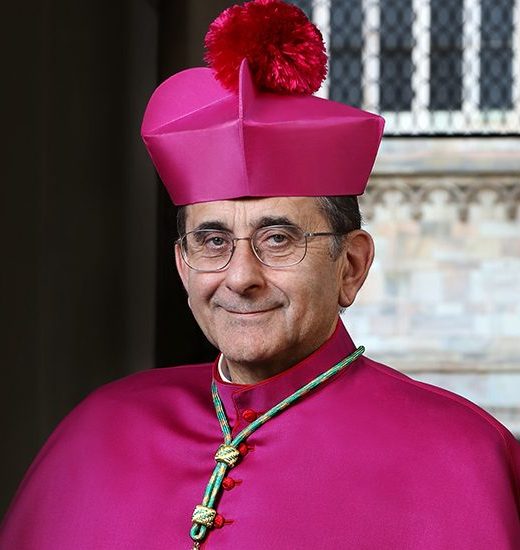
Mario Enrico Delpini, born on July 29, 1951, in Gallarate, Italy, is a significant figure in the Catholic Church, serving as the Archbishop of Milan since 2017. His life and career reflect a deep commitment to the Church and its teachings, marked by decades of service in various capacities. This article explores the age, rise to prominence, and life highlights of Mario Delpini, delving into the nuances of his spiritual journey and the impact he has had on the Catholic community.
Early Life and Education
Mario Delpini was born into a modest family in Gallarate, Lombardy, the third of six children to Antonio and Rosa Delpini. His early years were spent in the small town of Jerago, where he attended elementary school. His religious calling became evident during his childhood, and he soon embarked on a path that would lead him to the priesthood.
Delpini’s education was rooted in religious institutions. He attended middle school and gymnasium at the Collegio De Filippi in Arona, and later, he pursued classical studies at the Seminary of Venegono Inferiore in Varese. It was here that he began his formal preparation for the priesthood, immersing himself in theological studies and spiritual formation.
In 1975, Mario Delpini was ordained as a priest by Cardinal Giovanni Colombo in the Duomo of Milan. This marked the beginning of his long and distinguished career within the Catholic Church, during which he would take on various roles, each contributing to his growing influence and reputation within the ecclesiastical community.
Academic Pursuits and Teaching Career
Following his ordination, Mario Delpini dedicated himself to academic pursuits alongside his pastoral duties. He earned a degree in Classical Literature from the Catholic University of Milan, a reflection of his deep appreciation for classical studies and the humanities. His intellectual rigor was further demonstrated by his completion of a licentiate in Theology from the Faculty of Theology of Northern Italy in Milan, and a diploma in Patristic and Theological Sciences from the Augustinianum in Rome.
Delpini’s academic achievements laid the foundation for his teaching career, which spanned over a decade. From 1975 to 1987, he served as a teacher at the Seveso and Venegono Inferiore seminaries, where he taught Patristics—a branch of theology that studies the early Christian theologians known as the Church Fathers. His role as an educator allowed him to shape the minds of future priests, instilling in them a deep understanding of Christian doctrine and the importance of spiritual discipline.
Leadership Roles in the Seminary
In 1989, Delpini was appointed Rector of the Minor Seminary by Cardinal Carlo Maria Martini, a role that marked a significant step in his ecclesiastical career. His leadership qualities and dedication to the formation of young seminarians were evident, and in 1993, he was promoted to Rector of the Theological Quadriennium, overseeing the final stages of seminary education for future priests.
Delpini’s tenure as Rector was characterized by a focus on the spiritual and intellectual development of seminarians, ensuring they were well-prepared for the challenges of priesthood. His commitment to the Church’s educational mission was further recognized in 2000 when he was appointed Rector Major of the Milan Seminaries, placing him in charge of all seminary education in the Archdiocese of Milan.
During this period, Delpini continued to teach, sharing his expertise in Patristics with a new generation of seminarians. His dual role as an administrator and educator highlighted his ability to balance the demands of leadership with the importance of maintaining direct contact with students, ensuring that the next generation of priests was both well-educated and spiritually grounded.
Rise to Prominence: Episcopal Ordination and Service
Mario Delpini’s rise to prominence within the Catholic Church continued in 2006 when Cardinal Dionigi Tettamanzi appointed him as Vicar Episcopal of the VI Pastoral Zone of Melegnano. This role expanded his responsibilities, requiring him to oversee the pastoral activities of a significant region within the Archdiocese of Milan. Delpini’s leadership in this role was characterized by his emphasis on pastoral care and his ability to connect with the clergy and laity alike.
In 2007, Pope Benedict XVI recognized Delpini’s contributions to the Church by appointing him as Auxiliary Bishop of Milan and Titular Bishop of Stefaniaco in Albania. His episcopal ordination took place on September 23, 2007, in the Duomo of Milan, with Cardinal Tettamanzi presiding over the ceremony. This elevation to the episcopate marked a significant milestone in Delpini’s career, further solidifying his standing within the Church hierarchy.
As Auxiliary Bishop, Delpini continued to serve the Archdiocese of Milan with dedication, taking on additional responsibilities within the Italian Episcopal Conference. From 2007 to 2016, he served as Secretary of the Lombard Episcopal Conference and was a member of the Italian Episcopal Commission for Clergy and Consecrated Life. These roles allowed him to influence the broader direction of the Church in Italy, contributing to discussions on clergy formation, pastoral care, and the role of the Church in modern society.
Appointment as Archbishop of Milan
In 2012, Delpini’s influence within the Archdiocese of Milan grew further when Cardinal Angelo Scola appointed him as Vicar General, a position that placed him at the heart of the archdiocesan administration. In this capacity, Delpini was responsible for overseeing the day-to-day operations of the Archdiocese, working closely with Cardinal Scola to implement the Church’s mission in one of the most significant dioceses in the world.
Delpini’s role as Vicar General was complemented by his appointment as Episcopal Vicar for the Permanent Formation of the Clergy in 2014. This position underscored his commitment to the ongoing education and spiritual development of priests, ensuring they remained effective in their ministry throughout their lives.
The pinnacle of Mario Delpini’s career came in 2017 when Pope Francis appointed him as the Archbishop of Milan, succeeding Cardinal Scola, who had reached the age of retirement. Delpini’s appointment was widely seen as a recognition of his long service to the Church and his deep understanding of the needs of the Archdiocese of Milan.
The Archiepiscopal Ministry: Challenges and Achievements
Mario Delpini’s tenure as Archbishop of Milan has been marked by a focus on pastoral care, spiritual renewal, and addressing the challenges facing the Church in contemporary society. His approach to leadership has been characterized by humility, simplicity, and a deep commitment to serving the people of Milan.
One of the most significant challenges Delpini has faced as Archbishop has been the COVID-19 pandemic, which hit Italy, and particularly Milan, with devastating force in 2020. In response to the crisis, Delpini demonstrated strong pastoral leadership, offering comfort and guidance to the faithful during a time of unprecedented uncertainty. His decision to pray on the terrace of the Milan Cathedral, invoking the intercession of the Madonnina, became a powerful symbol of hope and resilience for the people of Milan.
Delpini also adapted to the challenges posed by the pandemic by embracing digital communication. He initiated a daily prayer broadcast during Advent and Lent, using social media and diocesan channels to connect with the faithful. This initiative allowed the Church to maintain a sense of community and spiritual continuity during a period of physical isolation.
Beyond his response to the pandemic, Delpini has continued to focus on the spiritual renewal of the Archdiocese. He has emphasized the importance of a “simple and joyful” Church, one that is united, free, and engaged with the world. His pastoral visits, including a significant pastoral visit to the city of Milan starting in January 2022, have been integral to his efforts to strengthen the bonds between the Church and the community.
Legacy and Future Prospects
As Mario Delpini continues his ministry as Archbishop of Milan, his legacy is already taking shape. He is seen as a shepherd who combines intellectual rigor with deep pastoral care, a leader who is not afraid to address the challenges facing the Church while remaining deeply rooted in its traditions.
Delpini’s emphasis on simplicity, joy, and unity reflects his understanding of the needs of the modern Church, particularly in a complex and dynamic city like Milan. His leadership during the COVID-19 pandemic demonstrated his ability to guide the Church through crisis, offering both spiritual and practical support to his flock.
Looking to the future, Delpini’s vision for the Archdiocese of Milan is one of continued engagement with the world, a Church that is active in addressing the social and spiritual needs of its people. His commitment to clergy formation, pastoral care, and the integration of modern communication tools into the Church’s mission will likely continue to define his tenure as Archbishop.
Conclusion
Mario Delpini’s life and career are a testament to his deep faith, intellectual rigor, and pastoral dedication. From his early years in Jerago to his current role as Archbishop of Milan, Delpini has consistently demonstrated a commitment to serving the Church and its people. His leadership during challenging times, particularly the COVID-19 pandemic, has shown his ability to guide the Church with compassion and wisdom.
As he continues his ministry, Delpini remains a significant figure in the Catholic Church, both in Italy and beyond. His influence on the spiritual life of Milan and his contributions to the broader Church community ensure that his legacy will endure for years to come.


