
Introduction
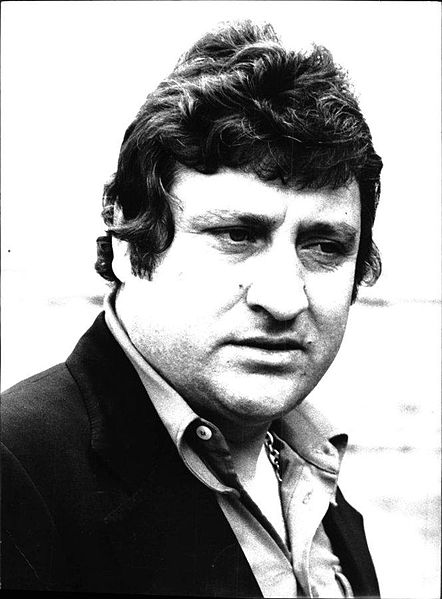
Mario Merola, a name that resonates deeply with the heart of Naples and its rich cultural tapestry, was not only a singer but also an emblem of the traditional Neapolitan music and theater. Born on April 6, 1934, in Naples, Merola’s life and career encapsulate the essence of the city’s vibrant artistic heritage. Known as “The King of the Sceneggiata,” Merola’s contributions to music and film have left an indelible mark on Italian culture. This article explores Mario Merola’s life, tracing his journey from a humble beginning to becoming an iconic figure in Neapolitan and Italian entertainment.
Early Life and Beginnings
Mario Merola’s story begins in the bustling port city of Naples, where he was born into a working-class family. The post-World War II era was a time of hardship for many in Italy, and Merola’s early life was no exception. As a young boy, he worked as a dockworker at the port of Naples, a job that was physically demanding but essential for supporting his family. Despite the challenges of his daily labor, Merola’s passion for music was evident from a young age. His coworkers at the port recognized his vocal talents and encouraged him to pursue singing.
It was during these formative years that Merola began to sing the classic songs of the Neapolitan tradition. His voice, rich and full of emotion, quickly garnered attention, and it wasn’t long before he began performing at local events. The people of Naples, known for their deep appreciation of music, were captivated by Merola’s performances, and he soon became a local favorite.
Rise to Fame: The Voice of Naples
The 1960s marked the beginning of Mario Merola’s ascent to fame. His recordings of traditional Neapolitan songs such as “Guapparia” and “Zappatore” became immensely popular, not just in Naples but across Italy. These songs, with their poignant lyrics and melodious compositions, struck a chord with listeners and solidified Merola’s reputation as a leading interpreter of Neapolitan music.
Merola’s ability to convey deep emotion through his singing made him a beloved figure in the world of Italian music. His performances were characterized by a raw, unfiltered passion that resonated with audiences. It was this authenticity that set Merola apart from his contemporaries and earned him the title of “The Voice of Naples.”
As Merola’s popularity grew, so did his influence. He became a prolific recording artist, releasing numerous albums that celebrated the rich musical heritage of Naples. His success was not confined to Italy; Merola’s music found an audience among the Italian diaspora, particularly in North America and Europe, where Italian immigrants cherished the connection to their homeland through his songs.
The Sceneggiata: A Revival of Neapolitan Theater
While Mario Merola’s contributions to music are undeniable, his role in reviving the traditional Neapolitan theatrical form known as “sceneggiata” is equally significant. The sceneggiata, a genre that blends music, theater, and melodrama, was a staple of Neapolitan culture but had begun to decline in popularity by the mid-20th century.
Merola, with his deep understanding of the Neapolitan spirit and his flair for dramatic storytelling, saw the potential to breathe new life into the sceneggiata. In the 1970s and 1980s, he became a leading figure in this revival, starring in numerous productions that brought the genre back to the forefront of Italian entertainment.
The typical sceneggiata revolves around a love triangle involving “issa, isso e ‘o malamente” (she, he, and the villain). These stories, often inspired by popular Neapolitan songs, were characterized by their intense emotional conflicts, moral dilemmas, and ultimately, their portrayal of the triumph of good over evil. Merola’s performances in these productions were nothing short of legendary. He brought a raw intensity to his roles, making the audience feel every ounce of the characters’ joy, pain, and passion.
Merola’s work in the sceneggiata was not limited to the stage. He also starred in numerous films that brought the theatrical form to the big screen. These films, much like his music, resonated with Italian audiences both at home and abroad, further solidifying his status as a cultural icon.
Film Career: The King of the Neapolitan Cinema
In addition to his success in music and theater, Mario Merola enjoyed a prolific film career. His filmography includes over 30 movies, many of which were adaptations of sceneggiate. These films often mirrored the themes of his music and theatrical performances, focusing on stories of love, betrayal, and redemption.
Merola’s screen presence was as commanding as his stage performances. His ability to convey deep emotion and authenticity in his roles made him a favorite among directors and audiences alike. Some of his most notable films include “Zappatore” (1980), “Lacrime napulitane” (1981), and “Giuramento” (1982). These films not only showcased Merola’s acting talents but also helped to popularize the sceneggiata genre in cinema.
One of the hallmarks of Merola’s film career was his collaboration with director Alfonso Brescia, who directed many of Merola’s most famous films. Together, they created a body of work that is celebrated for its portrayal of Neapolitan life and culture.
Collaboration with Other Artists and Legacy
Mario Merola’s influence extended beyond his own performances. Throughout his career, he played a significant role in discovering and mentoring other artists, helping to launch the careers of several prominent Italian singers. Among the most notable of these is Massimo Ranieri, who would go on to become one of Italy’s most beloved performers. Merola also played a crucial role in the early career of Gigi D’Alessio, another renowned Neapolitan singer-songwriter, who often credits Merola with being a mentor and inspiration.
Merola’s legacy is also preserved through his collaborations with other well-known artists. One of his later hits, “Futteténne” (which translates to “Don’t Care”), was a duet with the famous Italian singer and songwriter Cristiano Malgioglio. This song, like many of Merola’s others, became a hit in Italy and demonstrated Merola’s ability to stay relevant in the changing landscape of Italian music.
In his later years, Mario Merola often performed alongside his son, Francesco Merola, who followed in his father’s footsteps as a singer and performer. These performances were not just a passing of the torch but also a celebration of the Merola family’s enduring contribution to Neapolitan culture.
Final Years and Death
Mario Merola continued to perform well into his later years, remaining a beloved figure in Italian entertainment. His health, however, began to decline, and in November 2006, he suffered a heart attack. After a brief hospitalization at the San Leonardo Hospital in Castellammare di Stabia, Mario Merola passed away on November 12, 2006, at the age of 72.
Merola’s death was met with an outpouring of grief from fans, colleagues, and the people of Naples. He was remembered not only as a great artist but also as a symbol of Neapolitan pride and resilience. His funeral was a significant event in Naples, drawing thousands of mourners who came to pay their respects to the man who had given so much to their city.
Mario Merola’s Cultural Impact and Legacy
The impact of Mario Merola on Italian culture cannot be overstated. He was a true ambassador of Neapolitan music and theater, bringing the unique sounds and stories of Naples to a global audience. Through his music, theater, and films, Merola helped to preserve and promote the cultural heritage of Naples at a time when it might have otherwise faded into obscurity.
Merola’s revival of the sceneggiata ensured that this distinctly Neapolitan form of entertainment would continue to thrive. His performances in both live theater and film brought the genre to new audiences and ensured that the traditions of Naples would live on in the hearts of future generations.
Moreover, Merola’s influence can be seen in the careers of many Italian artists who followed him. His role as a mentor to younger performers ensured that the torch of Neapolitan music would be passed on, keeping the tradition alive. Artists like Gigi D’Alessio continue to carry forward the legacy that Merola helped to build.
Conclusion
Mario Merola’s life was a testament to the power of art to transcend social and economic barriers. From his humble beginnings as a dockworker to his rise as the king of Neapolitan sceneggiata, Merola’s journey was one of passion, perseverance, and an unwavering commitment to his cultural roots. His voice, both literally and figuratively, spoke to the soul of Naples and resonated with audiences around the world.
Even after his passing, Mario Merola’s legacy continues to influence and inspire. His contributions to music, theater, and film have ensured that the rich cultural heritage of Naples will continue to be celebrated for generations to come. As we remember Mario Merola, we honor a man who was more than just an entertainer—he was a cultural icon, a mentor, and a beloved figure who embodied the heart and soul of Naples.


