
Introduction
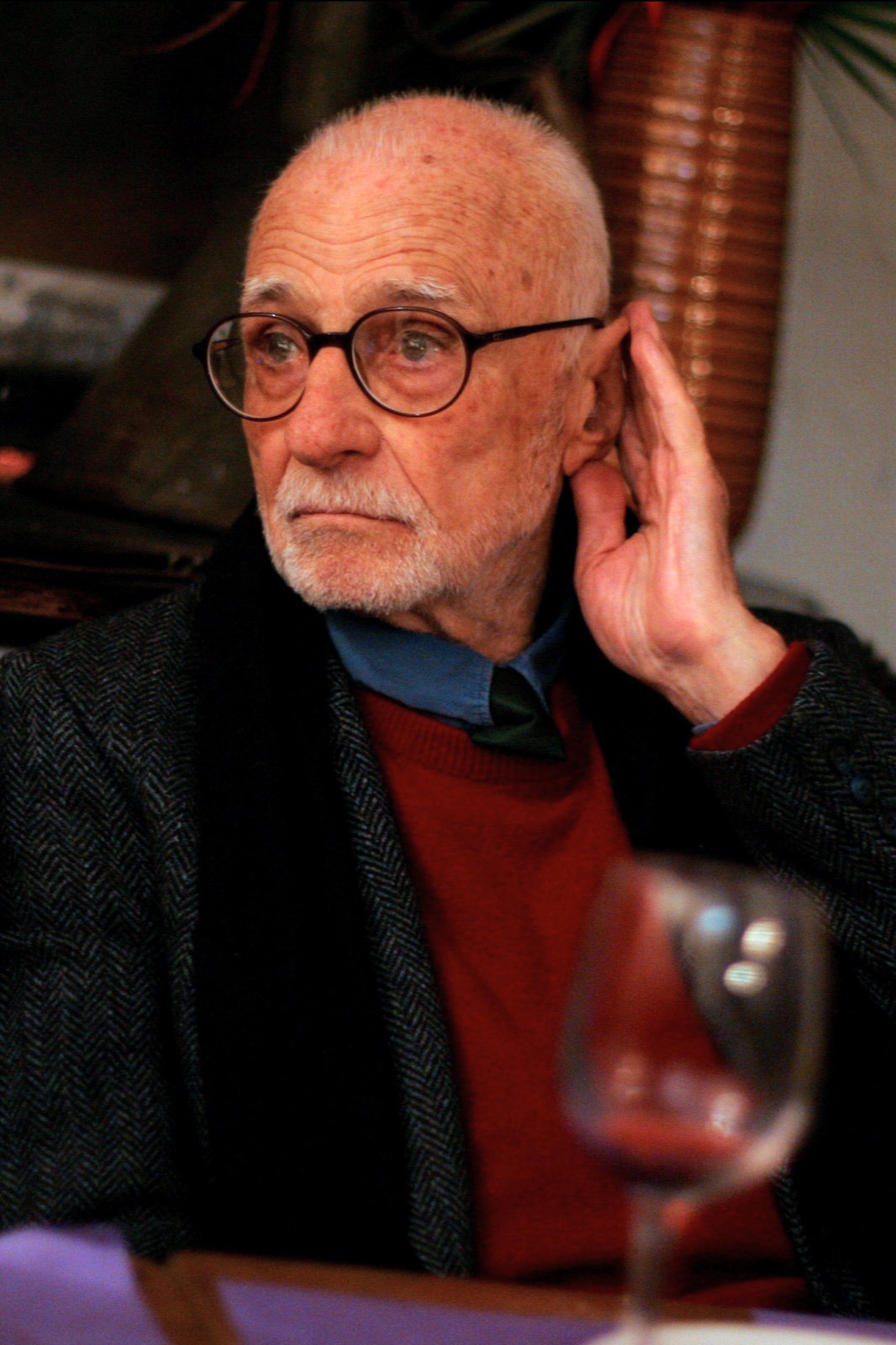
Mario Monicelli, born on May 16, 1915, in Viareggio, Italy, is one of the most revered figures in the history of Italian cinema. As a pioneer of the commedia all’italiana (Italian-style comedy), Monicelli’s films have left an indelible mark on both Italian culture and the broader landscape of global cinema. His work is celebrated for its sharp wit, social commentary, and the ability to blend humor with the more serious aspects of life. Monicelli’s career spanned several decades, during which he directed some of the most iconic films in Italian cinema, collaborating with the country’s greatest actors and screenwriters.
Early Life and Introduction to Cinema
Mario Monicelli was born into a well-to-do family of Mantuan origin. His early years were spent in the vibrant seaside town of Viareggio, a hub of artistic and literary activity during the 1930s. The young Monicelli was deeply influenced by the cultural atmosphere of the time, which nurtured his interest in the arts, particularly cinema.
Monicelli attended the prestigious Giosuè Carducci Classical High School, where he began to cultivate his passion for storytelling. His introduction to the world of cinema was facilitated by his friendship with Giacomo Forzano, the son of Giovacchino Forzano, the founder of the Pisorno film studios in Tirrenia. This connection provided Monicelli with a unique opportunity to immerse himself in the world of filmmaking at a young age, shaping the caustic and irreverent style that would become his trademark.
Early Career and the Rise of a Cinematic Icon
Monicelli’s first forays into filmmaking were modest, involving small-scale projects such as Pioggia d’estate (Summer Rain), a short film he made with friends in 1937. However, his professional directorial debut came in 1949 with Totò cerca casa (Totò Looks for an Apartment), co-directed with Stefano Vanzina, better known as Steno. This film marked the beginning of Monicelli’s long and fruitful collaboration with the legendary comedian Totò, as well as his deep dive into the genre of comedy that would define much of his career.
Monicelli’s early works, particularly those in collaboration with Steno, were characterized by their light-hearted humor and social satire. However, it was his ability to blend comedy with more serious and sometimes tragic themes that set him apart from his contemporaries. Monicelli’s films often explored the lives of ordinary Italians, highlighting their struggles, dreams, and the absurdities of everyday life.
The Birth of Commedia all’italiana and Cinematic Milestones
Monicelli’s career took a significant turn in 1958 with the release of I soliti ignoti (Big Deal on Madonna Street). This film is widely regarded as the first true commedia all’italiana, a genre that would dominate Italian cinema for the next two decades. I soliti ignoti featured an ensemble cast, including Vittorio Gassman, Marcello Mastroianni, and Totò, and it combined elements of comedy, crime, and social commentary in a way that was both innovative and quintessentially Italian. The film’s success cemented Monicelli’s reputation as a master of the genre and established many of the conventions that would characterize commedia all’italiana.
The following year, Monicelli directed La grande guerra (The Great War), a film that further showcased his ability to blend humor with serious themes. La grande guerra is a comedic yet poignant portrayal of the First World War, focusing on the experiences of two Italian soldiers, played by Alberto Sordi and Vittorio Gassman. The film was a critical and commercial success, winning the Golden Lion at the Venice Film Festival and earning an Academy Award nomination for Best Foreign Language Film. La grande guerra is often hailed as one of the greatest war films ever made, notable for its anti-heroic portrayal of war and its critique of the traditional narratives of heroism and patriotism.
Signature Films and Contributions to Italian Cinema
Throughout the 1960s and 1970s, Monicelli continued to produce a series of iconic films that solidified his status as one of Italy’s greatest directors. In 1966, he directed L’armata Brancaleone (For Love and Gold), a satirical epic that poked fun at medieval chivalric tales. The film, starring Vittorio Gassman, was praised for its inventive use of language, historical parody, and its unique visual style. L’armata Brancaleone became a cultural phenomenon in Italy, and its title character, a bumbling and inept knight, became an enduring symbol of Monicelli’s ability to subvert traditional heroic archetypes.
Another notable film from this period is La ragazza con la pistola (The Girl with the Pistol, 1968), a comedy that starred Monica Vitti as a Sicilian woman seeking revenge on a man who wronged her. The film was both a critical and commercial success and further demonstrated Monicelli’s talent for creating strong, memorable female characters in a genre often dominated by male protagonists.
Monicelli’s 1975 film Amici miei (My Friends) is another cornerstone of his career. The film, which chronicles the lives of a group of middle-aged men who cope with the disappointments of life through elaborate pranks and practical jokes, became a cult classic in Italy. Amici miei was celebrated for its mix of humor and melancholy, as well as its exploration of themes such as friendship, aging, and the passage of time.
In 1978, Monicelli directed Un borghese piccolo piccolo (An Average Little Man), a film that took a darker turn compared to his previous works. Starring Alberto Sordi, the film is a tragicomic exploration of a man’s descent into despair and vengeance after the death of his son. Un borghese piccolo piccolo was critically acclaimed for its powerful performances and its unflinching portrayal of the darker aspects of human nature.
Later Career and Legacy
Even as he aged, Monicelli continued to work prolifically, directing films that were both commercially successful and critically acclaimed. In 1981, he directed Il marchese del Grillo (The Marquis of Grillo), starring Alberto Sordi as a cynical and mischievous nobleman in 19th-century Rome. The film was a box office hit and is remembered for its biting satire and Sordi’s unforgettable performance.
In 1985, Monicelli directed Speriamo che sia femmina (Let’s Hope It’s a Girl), a film that focused on the lives of women in a rural Tuscan family. The film was praised for its sensitive portrayal of women’s issues and its ensemble cast, which included some of Italy’s most prominent actresses.
Monicelli’s later films, such as Parenti serpenti (Dearest Relatives, Poisonous Relations, 1992) and Cari fottutissimi amici (Dear Bloody Friends, 1994), continued to explore the themes of family, society, and human relationships, often with a darker and more cynical edge. These films reflected Monicelli’s evolving perspective on life and his continued willingness to tackle challenging and controversial subjects.
Personal Life and Tragic End
Monicelli’s personal life was as complex as his films. He was known for his sharp intellect, caustic wit, and uncompromising approach to both his work and life. Despite his success, Monicelli remained deeply connected to his roots, often returning to Viareggio and maintaining close relationships with the people from his early years.
Tragically, Mario Monicelli’s life ended in suicide. On November 29, 2010, at the age of 95, Monicelli took his own life by jumping from a window at the San Giovanni Hospital in Rome, where he was being treated for prostate cancer. His death shocked Italy and the global film community, marking the end of an era in Italian cinema.
Mario Monicelli’s Impact on Italian Cinema and Beyond
Mario Monicelli’s impact on cinema cannot be overstated. As a leading figure in commedia all’italiana, he helped shape a genre that defined Italian cinema for decades. His films, characterized by their blend of humor and pathos, their keen social commentary, and their unforgettable characters, continue to influence filmmakers around the world.
Monicelli’s work is celebrated not only for its artistic merit but also for its ability to capture the essence of Italian life. His films reflect the joys, struggles, and contradictions of a country undergoing rapid change, from the post-war era to the economic boom of the 1960s and 1970s. Through his lens, Italy’s social and cultural evolution is depicted with both affection and a critical eye.
Monicelli’s legacy lives on in the countless filmmakers he inspired and the audiences who continue to enjoy his films. His ability to tell stories that are both deeply personal and universally relatable ensures that his work will remain a vital part of the cinematic canon for generations to come.
Conclusion
Mario Monicelli was a true giant of cinema, a filmmaker whose work transcended the boundaries of genre and nation. His films, marked by their wit, intelligence, and humanity, remain as relevant today as they were when they were first released. Monicelli’s life and career are a testament to the power of cinema to reflect and shape the world around us, offering insight into the human condition with both humor and grace.
As we remember Mario Monicelli, we celebrate a life dedicated to the art of storytelling, a career that brought laughter, thought, and inspiration to millions, and a legacy that will continue to influence the world of cinema for years to come.


