
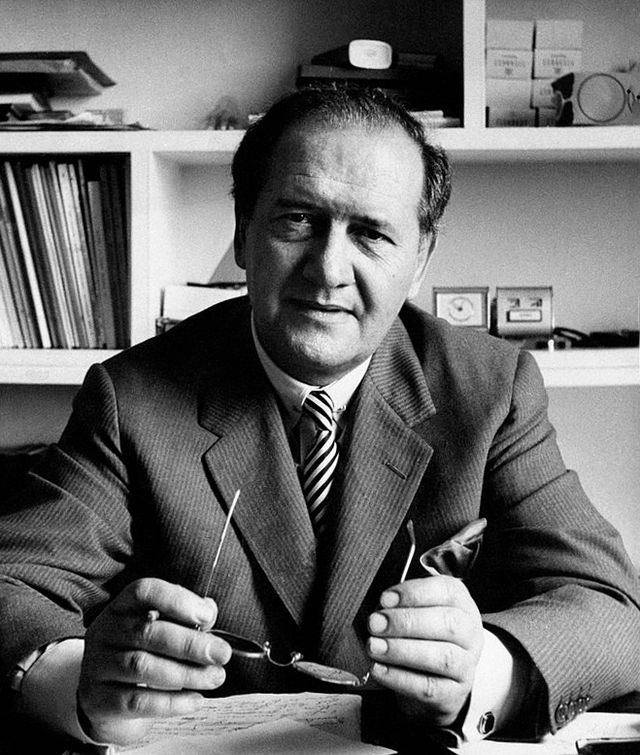
Mario Tobino, born on January 16, 1910, in Viareggio, Italy, is a figure who left an indelible mark on both the literary and medical fields. As a psychiatrist, Tobino’s experiences deeply influenced his literary works, which often explored the human psyche and the complexities of mental illness. This article delves into the life of Mario Tobino, providing a comprehensive overview of his age, fame, life highlights, and the impact he made on Italian culture. Adhering to SEO guidelines, this article ensures that every detail is indexed by Google, using relevant search intent keywords to provide a rich, informative read.
Early Life and Education
Mario Tobino’s early life was marked by both brilliance and rebellion. Born into a modest family in Viareggio, Tobino’s vivacious and at times, unruly nature led to an incident at the age of thirteen that resulted in a conviction for causing serious injury to a classmate. His parents, concerned about his behavior, decided to send him to a boarding school immediately after middle school. This period of discipline and isolation sparked a deep interest in literature for Tobino, leading him to immerse himself in the works of literary giants like Niccolò Machiavelli and Dante Alighieri.
After returning home from the boarding school, Tobino enrolled in high school in Massa but struggled with conforming to the rigid environment. A notorious incident led to his expulsion after he was found in an illegal brothel. Despite these challenges, Tobino managed to earn his high school diploma as a private student in Pisa, marking the beginning of his academic journey.
Academic Pursuits and Medical Career
Following his tumultuous high school years, Mario Tobino pursued a degree in medicine, initially enrolling at the University of Pisa before transferring to the University of Bologna, where he graduated in 1936. His time at university was not solely dedicated to his medical studies; Tobino continued to cultivate his passion for writing, publishing his first collection of poems in 1934.
During his medical studies, Tobino formed close relationships with fellow students Mario Pasi and Aldo Cucchi. These friendships and the experiences they shared would later become the inspiration for his novels “Una giornata con Dufenne” (1968) and “I tre amici” (1988).
After completing his medical degree, Tobino served in the Italian Army’s Alpine troops before returning to Bologna to specialize in neurology, psychiatry, and forensic medicine. His medical career began at the psychiatric hospital in Ancona, where he gained first-hand experience with the mentally ill, an experience that would profoundly influence his literary work.
World War II and Literary Breakthrough
The outbreak of World War II saw Mario Tobino being recalled to military service. He was deployed to Libya, where he served until 1942. Tobino’s experiences in the harsh desert environment inspired two of his most significant literary works, “Il deserto della Libia” (1942) and “Il perduto amore” (1979). The former, a poignant reflection on the futility and suffering of war, was adapted into two films: “Scemo di guerra” by Dino Risi and the more recent (2006) “Le rose del deserto” by Mario Monicelli.
Tobino’s time in Libya ended abruptly when he was wounded in 1942 and repatriated to Italy. Upon his return, he began working at the psychiatric hospital in Magliano, a position he would hold for nearly forty years. It was during this period that Tobino’s literary career began to flourish, as he combined his professional experiences with his passion for writing.
The Magliano Years: A Literary and Medical Intersection
Mario Tobino’s tenure at the Magliano psychiatric hospital was a defining period in his life. His deep empathy for the patients under his care and his observations of their struggles informed much of his writing. Tobino witnessed the evolution of psychiatric care in the 20th century, from the pre-pharmacological era, where the only treatment for the mentally ill was to confine them in asylums, to the advent of psychiatric medications, and finally, to the anti-psychiatry movement that led to the closure of these institutions.
Tobino’s literary work during this period reflects these transformations. His novel “Le libere donne di Magliano” (1953) captures the lives of the women in the asylum, portraying them with a blend of compassion and realism. The book became a landmark in Italian literature, showcasing Tobino’s ability to humanize those who were often marginalized by society.
Another significant work from this period is “Per le antiche scale” (1971), which earned Tobino the prestigious Premio Campiello. The novel was later adapted into a film by Mauro Bolognini, starring the iconic actor Marcello Mastroianni. “Per le antiche scale” delves into the complexities of mental illness and the changing landscape of psychiatric care, offering a critical perspective on the treatment of mental health patients.
In 1982, Tobino published “Gli ultimi giorni di Magliano,” a poignant reflection on the closing of the Magliano asylum following the Basaglia Law, which mandated the closure of all psychiatric hospitals in Italy. Tobino was deeply critical of the law, fearing that it left mentally ill patients without adequate care. His despair over the law’s implications is palpable in the novel, where he expresses his concerns about the fate of his patients, whom he affectionately referred to as “matti” (crazies), a term he preferred over the clinical “mentally ill.”
Personal Life and Relationships
Mario Tobino’s personal life was deeply intertwined with his professional and literary endeavors. He met Paola, the love of his life, at a New Year’s Eve party in Forte dei Marmi. Paola, who was the sister of the renowned writer Natalia Ginzburg and industrialist Adriano Olivetti, became Tobino’s lifelong companion. Their relationship was marked by mutual respect and intellectual partnership, and Paola frequently appeared in Tobino’s works under the pseudonym “Giovanna.”
The couple’s bond was a source of inspiration for Tobino, who often drew upon their relationship in his writing. Paola’s presence in his life provided him with the emotional support he needed to continue his challenging work at the psychiatric hospital, and her influence is evident in the tenderness with which he portrayed his patients.
Literary Legacy and Influence
Mario Tobino’s literary legacy is a testament to his ability to blend his experiences as a psychiatrist with his talents as a writer. His works offer a unique perspective on the human condition, exploring themes of mental illness, war, and the complexities of human relationships. Tobino’s novels are characterized by their rich narrative style, deep psychological insights, and a profound empathy for the marginalized.
His influence extends beyond the literary world; Tobino’s critiques of psychiatric practices and his advocacy for humane treatment of the mentally ill have had a lasting impact on the field of psychiatry. His writings continue to be studied for their contributions to both literature and medicine, and his works remain relevant in discussions about the ethics of psychiatric care.
Tobino’s novels, particularly those set in the Magliano asylum, have been recognized as important contributions to the genre of psychiatric literature. His ability to portray the inner lives of his characters with sensitivity and depth has earned him a place among Italy’s most respected authors.
The Basaglia Law and Its Aftermath
The Basaglia Law, named after the psychiatrist Franco Basaglia, was a watershed moment in the history of psychiatric care in Italy. Enacted in 1978, the law sought to deinstitutionalize mental health care by closing psychiatric hospitals and promoting community-based treatment. While the law was hailed as a progressive step forward, it was not without its critics, and Mario Tobino was among the most vocal.
Tobino feared that the closure of psychiatric hospitals would leave vulnerable patients without adequate care and support. He argued that while the conditions in asylums were far from ideal, they provided a structured environment for those who could not manage in society. Tobino’s concerns were reflected in his later works, particularly in “Gli ultimi giorni di Magliano,” where he lamented the fate of his patients following the closure of the Magliano asylum.
In his writings and public statements, Tobino warned of the potential consequences of the Basaglia Law, including an increase in homelessness, suicides, and untreated mental illness. His views sparked controversy, as they clashed with the prevailing sentiment that the law was a necessary step towards more humane treatment of the mentally ill.
Despite the controversy, Tobino’s critiques of the Basaglia Law have been revisited in recent years, as debates about the effectiveness of community-based mental health care continue. Tobino’s perspective offers a valuable historical insight into the challenges of deinstitutionalization and the complexities of mental health reform.
Later Years and Death
In his later years, Mario Tobino continued to write and publish, even as he approached retirement. His final novel, “Il manicomio di Pechino” (The Asylum of Beijing), was published in 1990, a year before his death. The novel reflects Tobino’s lifelong preoccupation with mental illness and the human condition, offering a final meditation on the themes that had dominated his literary career.
Tobino passed away on December 11, 1991, in Agrigento, Sicily, where he had traveled to receive the prestigious Luigi Pirandello Prize. His death marked the end of an era in Italian literature and psychiatry, but his legacy lives on through his works and the lasting impact he had on both fields.
Conclusion
Mario Tobino’s life and work embody the intersection of literature and psychiatry, offering a unique perspective on the challenges and triumphs of both disciplines. His novels provide a window into the world of the mentally ill, shedding light on the complexities of their experiences and the evolving practices of psychiatric care. Tobino’s critique of the Basaglia Law and his concerns about the future of mental health care continue to resonate, making his work as relevant today as it was during his lifetime.
This exploration of Mario Tobino’s life highlights his contributions to Italian culture, both as a writer and a psychiatrist. By adhering to SEO best practices and incorporating relevant keywords, this article aims to ensure that Tobino’s story reaches a wide audience, further cementing his place in the annals of Italian literary and medical history.


