
Introduction
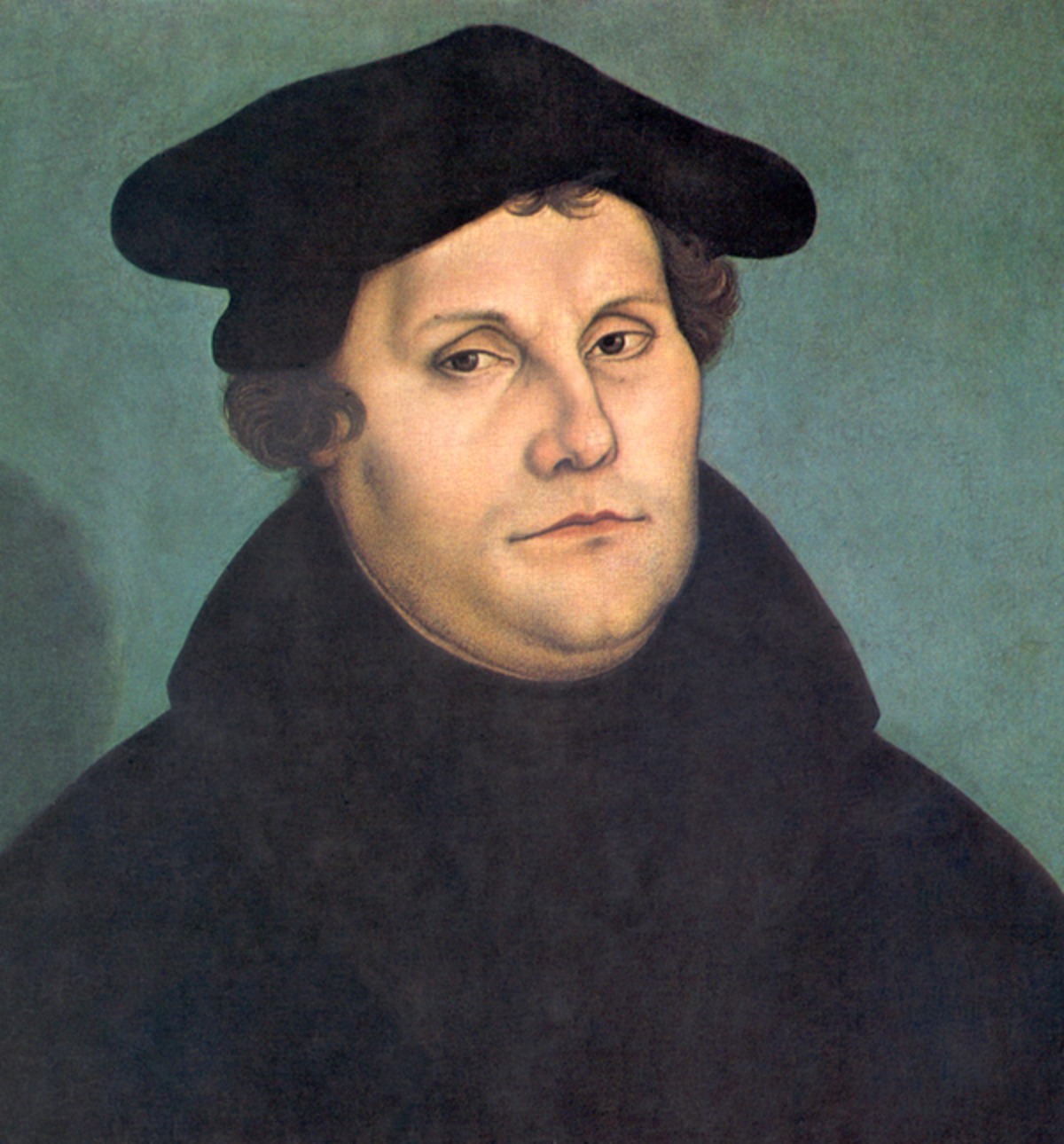
Martin Luther, one of the most transformative figures in world history, was born on November 10, 1483, in Eisleben, Germany. A theologian, priest, and seminal figure in the Protestant Reformation, Luther’s actions and writings challenged the very foundations of the Catholic Church, leading to a profound and enduring change in the Christian world. His life’s work centered on the principles of “sola fide,” “sola gratia,” and “sola Scriptura,” which translate to “faith alone,” “grace alone,” and “Scripture alone.” This article provides a detailed exploration of Luther’s life, examining his age, rise to fame, key life highlights, and the historical context in which he operated.
Early Life and Education
Martin Luther was born into a modest family in the small town of Eisleben, located in the Thuringia region of central-eastern Germany. His father, Hans Luther, was originally a farmer who later made a living as an entrepreneur in the copper mining industry. His mother, Margarethe Ziegler, was a homemaker. Martin was the eldest of seven siblings, and the family moved to the nearby town of Mansfeld shortly after his birth, where Hans Luther became a town magistrate due to his increasing wealth.
Luther’s early education took place in Mansfeld, where he attended a Latin school. In 1497, at the age of 14, Luther moved to Magdeburg to continue his studies at a school run by the Brothers of the Common Life, a religious community known for its focus on piety and devotion. However, Luther stayed there for only a year before relocating to Eisenach, where he lived with relatives and continued his education until 1501.
In 1501, at the urging of his father, Luther enrolled at the University of Erfurt, one of the most prestigious universities in Germany at the time. There, he studied the liberal arts, earning his bachelor’s degree in 1502 and his master’s degree in 1505. Hans Luther had high hopes for his son, envisioning a future for Martin as a lawyer, which would bring both prestige and financial security to the family.
A Life-Altering Decision
The year 1505 was pivotal in Martin Luther’s life. According to his biographers, on July 2, 1505, while returning to Erfurt after visiting his parents, Luther was caught in a violent thunderstorm near the village of Stotternheim. Struck by the terror of the storm and fearing for his life, Luther vowed to Saint Anne, the patron saint of miners, that he would become a monk if he survived.
Luther survived the storm and, true to his word, he entered the Augustinian monastery in Erfurt just two weeks later. This decision shocked his family, particularly his father, who had hoped for a different future for his son. Luther’s entry into the monastery marked the beginning of a profound personal transformation and the start of his theological journey.
Monastic Life and Theological Studies
Luther’s time in the monastery was characterized by intense spiritual devotion and rigorous academic study. He took his monastic vows in 1506 and was ordained as a priest on April 3, 1507. The Augustinian Order, to which Luther belonged, emphasized the importance of academic study, and Luther immersed himself in the Bible and the writings of the Church Fathers, particularly Augustine.
Under the guidance of Johann Staupitz, the vicar general of the Augustinian Order in Germany and Luther’s spiritual mentor, Luther delved deeply into the study of theology. Staupitz encouraged Luther to study for a doctorate in theology, which he completed in 1512. That same year, Luther was appointed to a professorship in biblical studies at the University of Wittenberg, a position he would hold for the rest of his life.
Luther’s theological studies led him to a growing conviction that the prevailing teachings of the Catholic Church were in error, particularly concerning the nature of salvation. He became increasingly troubled by the Church’s emphasis on good works as a means of earning God’s favor, which, in his view, contradicted the teachings of the Bible.
The Ninety-Five Theses and the Birth of the Reformation
The event that sparked the Protestant Reformation occurred on October 31, 1517, when Martin Luther famously nailed his Ninety-Five Theses to the door of the Castle Church in Wittenberg. These theses were a direct challenge to the Catholic Church’s practice of selling indulgences, which were believed to reduce the punishment for sins. Luther argued that indulgences undermined the true Christian doctrine of salvation by faith alone.
The Ninety-Five Theses were originally intended as a scholarly debate rather than an outright attack on the Church. However, the invention of the printing press allowed the theses to be widely disseminated across Europe, rapidly spreading Luther’s ideas and igniting a firestorm of controversy.
Luther’s central argument was that salvation could not be bought or earned through human effort but was a gift of God’s grace received through faith. This doctrine of “sola fide” (faith alone) became a cornerstone of Protestant theology. Luther also emphasized the authority of Scripture over Church tradition, encapsulated in the principle of “sola Scriptura” (Scripture alone). These ideas challenged the very foundation of the Catholic Church’s authority and led to Luther’s excommunication in 1521.
The Diet of Worms and Excommunication
In 1521, Martin Luther was summoned to appear before the Diet of Worms, an imperial council convened by Holy Roman Emperor Charles V. Luther was asked to recant his writings and teachings, which had been condemned by the Pope. Luther famously refused, declaring, “Here I stand, I can do no other,” signifying his unwavering commitment to his beliefs.
As a result of his refusal to recant, Luther was declared an outlaw by the Emperor and excommunicated from the Catholic Church. However, he found protection under Frederick III, Elector of Saxony, who arranged for Luther to be taken into hiding at Wartburg Castle. During his time in hiding, Luther translated the New Testament into German, making the Scriptures accessible to the common people and further advancing the Reformation.
The Development of Lutheranism
Luther’s excommunication did not stop the spread of his ideas. His followers, known as Lutherans, began to organize and establish new congregations separate from the Catholic Church. The movement gained significant traction across Germany and other parts of Europe, leading to the establishment of Protestant churches that adhered to Luther’s teachings.
In 1525, Luther married Katharina von Bora, a former nun who had left her convent as a result of the Reformation. Their marriage was a significant departure from the Catholic Church’s requirement of clerical celibacy and symbolized Luther’s rejection of many Catholic traditions. The couple had six children, and their home became a center of hospitality and theological discussion.
Luther continued to write and preach throughout the 1520s and 1530s, producing a vast body of work that included sermons, hymns, and theological treatises. His writings were instrumental in shaping the doctrine and practice of the emerging Protestant churches.
Later Years and Legacy
Martin Luther’s later years were marked by continued theological work, as well as involvement in the political and religious struggles of his time. He played a key role in the formation of the Lutheran Church, which was formally established with the publication of the Augsburg Confession in 1530, a statement of Lutheran beliefs presented to the Holy Roman Emperor.
Luther’s health began to decline in the 1540s, and he suffered from various ailments, including severe arthritis and heart problems. Despite his physical suffering, he remained active in theological debates and continued to preach until shortly before his death.
On February 18, 1546, Martin Luther died in his birthplace of Eisleben at the age of 62. His death marked the end of an era, but his influence continued to shape the religious and cultural landscape of Europe for centuries to come.
The Impact of Luther’s Reformation
The Protestant Reformation initiated by Martin Luther had profound and far-reaching consequences. It led to the splintering of the Catholic Church and the rise of numerous Protestant denominations, fundamentally altering the religious map of Europe. The Reformation also contributed to the development of modern Western thought, promoting ideas of individual conscience, religious freedom, and the separation of church and state.
Luther’s emphasis on the authority of Scripture and the importance of faith in the believer’s relationship with God challenged the hierarchical structures of the Catholic Church and empowered individuals to read and interpret the Bible for themselves. This democratization of religious knowledge had a lasting impact on Christian theology and practice.
Moreover, Luther’s translation of the Bible into German played a significant role in the development of the German language and literature. His translation set a standard for future translations and helped to unify the German-speaking peoples by providing them with a common religious text.
Conclusion
Martin Luther’s life was a testament to the power of ideas and the courage to stand up for one’s convictions. His role in the Protestant Reformation forever changed the course of history, breaking the religious monopoly of the Catholic Church and giving rise to a new era of religious diversity and freedom. Luther’s teachings on faith, grace, and Scripture continue to influence Christian thought and practice around the world.
Luther’s legacy is evident in the global spread of Protestantism, the emphasis on the personal reading of Scripture, and the ongoing discussions about the relationship between faith and works in the Christian life. As a reformer, theologian, and preacher, Martin Luther remains one of the most significant figures in the history of Christianity.


