
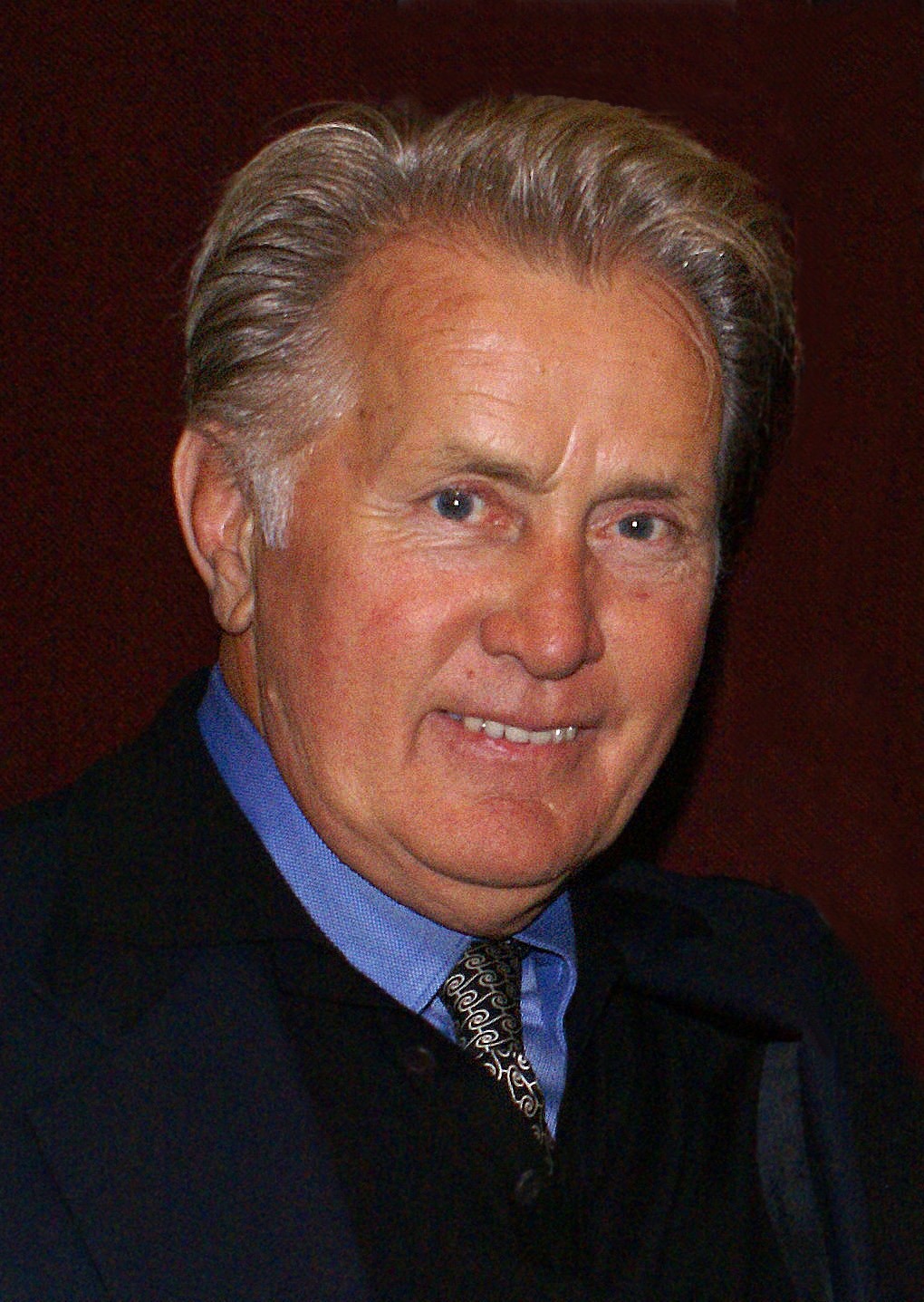
Martin Sheen, born Ramón Gerardo Antonio Estévez on August 3, 1940, in Dayton, Ohio, is an iconic American actor whose career spans over six decades. Renowned for his powerful performances on both stage and screen, Sheen has become a household name through his work in films, television, and his fervent activism. This article delves into the life of Martin Sheen, exploring his rise to fame, significant milestones, and the impact of his work on American culture.
Early Life and Struggles
Martin Sheen was born into a large, working-class family, the son of Francisco Estévez, a Spanish immigrant, and Mary-Ann Phelan, an Irish immigrant. Growing up in a household deeply rooted in Catholic faith and immigrant values, Sheen faced numerous challenges, including his father’s disapproval of his acting ambitions. Despite these obstacles, Sheen’s passion for acting was unwavering. At a young age, he was determined to pursue his dream, even against his father’s wishes.
Sheen’s journey to becoming an actor began in earnest when he moved to New York City. With financial support from a Marian priest who believed in his talent, Sheen was able to take his first steps toward realizing his ambitions. In New York, he formed a small theater company, working tirelessly to hone his craft and establish himself in the industry. This period of struggle and perseverance would later inform the depth and authenticity of his performances.
Breakthrough in Theater and Early Screen Roles
Martin Sheen’s first significant breakthrough came on Broadway, where he starred in “The Subject Was Roses” in 1964. His performance in the play earned him critical acclaim and established him as a serious actor capable of tackling complex roles. The play was later adapted into a film in 1968, with Sheen reprising his role, further solidifying his reputation in the industry.
In 1973, Sheen starred in the film “Badlands,” directed by Terrence Malick. His portrayal of a young man on a killing spree alongside Sissy Spacek was both chilling and captivating, marking Sheen as a versatile actor capable of taking on intense, challenging roles. “Badlands” has since become a cult classic, and Sheen’s performance is often cited as one of the best of his career.
However, it was his role in the 1974 television film “The Execution of Private Slovik” that brought Sheen widespread recognition. The film, which tells the true story of the only American soldier executed for desertion during World War II, showcased Sheen’s ability to convey deep emotional complexity. His performance earned him an Emmy nomination and caught the attention of director Francis Ford Coppola.
Iconic Role in “Apocalypse Now”
In 1979, Martin Sheen starred in what is arguably his most famous role, as Captain Benjamin Willard in Francis Ford Coppola’s epic war film “Apocalypse Now.” The film, which is loosely based on Joseph Conrad’s novella “Heart of Darkness,” explores the horrors of the Vietnam War and the psychological toll it takes on those involved.
Sheen’s performance in “Apocalypse Now” is legendary, not only for its intensity but also for the physical and emotional toll the production took on him. During the filming, Sheen suffered a heart attack, a consequence of the grueling shooting schedule and the stress of the role. Despite this, he completed the film, delivering a performance that is still regarded as one of the most powerful in cinema history.
“Apocalypse Now” was a critical and commercial success, and it further cemented Sheen’s status as a leading actor in Hollywood. The film has since become a cultural touchstone, and Sheen’s portrayal of Captain Willard remains one of his most iconic roles.
Television Stardom: “The West Wing”
While Martin Sheen had already achieved considerable success in film, it was his role as President Josiah Bartlet in the television series “The West Wing” that brought him into the homes of millions of viewers. The series, which aired from 1999 to 2006, was a critical and commercial success, and Sheen’s portrayal of a principled, compassionate, and intellectual U.S. President resonated with audiences during a politically charged era.
Sheen’s performance in “The West Wing” earned him numerous accolades, including a Golden Globe Award, two Screen Actors Guild Awards, and six Emmy nominations. The show itself won numerous awards and is often cited as one of the best television series of all time.
Beyond the accolades, “The West Wing” allowed Sheen to use his platform to advocate for political causes close to his heart. A lifelong activist, Sheen has been vocal about issues such as social justice, human rights, and environmental protection. His role on the show often mirrored his real-life convictions, further endearing him to fans who admired both his on-screen character and off-screen persona.
Activism and Personal Life
Martin Sheen’s commitment to activism has been a defining feature of his life and career. Raised in a devout Catholic household, Sheen’s faith has always played a significant role in shaping his worldview. Throughout his life, he has been involved in numerous social and political causes, often at great personal risk.
Sheen has been arrested multiple times for his participation in protests and civil disobedience, including demonstrations against nuclear weapons, the Iraq War, and various social justice issues. He has also been a strong advocate for immigrant rights, environmental protection, and opposition to the death penalty.
In his personal life, Sheen married Janet Templeton in 1961, and the couple has four children: Emilio Estevez, Ramon Estevez, Charlie Sheen, and Renée Estevez. All of their children have pursued careers in the entertainment industry, with Charlie Sheen and Emilio Estevez becoming particularly well-known actors.
Despite his success, Sheen has remained grounded and dedicated to his family and faith. He has often spoken about his struggles with alcoholism, particularly during the early years of his career, and how his faith and family helped him overcome those challenges.
Later Career and Continued Impact
As Martin Sheen entered his later years, he continued to work in film and television, taking on roles that allowed him to explore new aspects of his craft. In 2006, he starred in Martin Scorsese’s crime drama “The Departed,” playing the role of a police captain alongside Leonardo DiCaprio, Matt Damon, and Jack Nicholson. The film was a critical and commercial success, and Sheen’s performance was praised for its gravitas and depth.
Sheen also appeared in the 2012 thriller “The Double,” alongside Richard Gere, where he played the head of the CIA. His ability to portray authoritative figures with nuance and complexity remained a hallmark of his acting style.
In addition to his acting work, Sheen continued to be active in political and social causes. He remained a vocal critic of U.S. foreign policy, particularly during the Iraq War, and continued to advocate for peace, justice, and environmental sustainability.
Legacy and Influence
Martin Sheen’s legacy extends far beyond his achievements as an actor. He is widely regarded as one of the most respected figures in Hollywood, not only for his talent but also for his integrity and commitment to social justice. His work has influenced generations of actors, and his activism has inspired countless individuals to become involved in causes they believe in.
Sheen’s portrayal of President Bartlet in “The West Wing” has had a lasting impact on popular culture and political discourse. The character is often cited as an idealized version of what a U.S. President should be, embodying intelligence, empathy, and moral clarity. Even years after the show ended, “The West Wing” continues to be referenced in discussions about American politics, and Sheen’s performance remains a key reason for the show’s enduring popularity.
In his personal life, Sheen has demonstrated a deep commitment to his family and faith. His willingness to speak openly about his struggles and his efforts to reconcile his personal and professional life have endeared him to fans and colleagues alike. Sheen’s humility and sense of purpose have made him a role model for aspiring actors and activists.
Historical Context and Nuances
To fully appreciate Martin Sheen’s contributions to film, television, and activism, it is important to consider the historical and cultural context in which he has worked. Sheen’s career began during a time of significant social and political upheaval in the United States, including the Civil Rights Movement, the Vietnam War, and the Watergate scandal. These events shaped the themes and characters he chose to portray, as well as his own personal activism.
Sheen’s work often reflects a deep engagement with the moral and ethical questions facing society. Whether portraying a conflicted soldier in “Apocalypse Now” or a compassionate president in “The West Wing,” Sheen’s performances resonate with the complexities of the human experience and the challenges of leadership and responsibility.
Moreover, Sheen’s activism is rooted in a tradition of socially conscious artists who have used their platforms to advocate for change. His involvement in causes such as anti-war protests, environmentalism, and immigrant rights reflects a lifelong commitment to using his influence for the greater good.
Conclusion
Martin Sheen’s life and career are a testament to the power of art and activism to effect change and inspire others. From his early days on Broadway to his iconic roles in film and television, Sheen has consistently demonstrated a commitment to excellence in his craft and a dedication to making the world a better place.
As we look back on his achievements, it is clear that Martin Sheen is not just a talented actor but a compassionate human being who has used his voice and platform to stand up for what he believes in. His legacy will undoubtedly continue to influence and inspire future generations of artists, activists, and leaders.


