
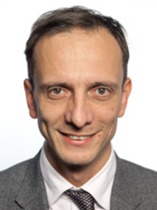
Massimiliano Fedriga, born on July 2, 1980, in Verona, Italy, is a prominent Italian politician known for his impactful role in regional governance and his ascent within the ranks of the Lega Nord (Northern League), now known simply as Lega. As the President of the Friuli-Venezia Giulia region and a key figure in Italian politics, Fedriga’s career is marked by a strong commitment to regional development, social issues, and his distinctive approach to leadership. This article provides an in-depth look at Fedriga’s life, his rise to fame, and the significant milestones that have shaped his political journey.
Early Life and Education
Massimiliano Fedriga was born into a family of Brescia origins, but his formative years were spent in Verona, where he developed a strong interest in politics and public service from a young age. He completed his secondary education at the Galileo Galilei Scientific High School in Verona, where he was known for his academic prowess and leadership abilities.
Following high school, Fedriga moved to Trieste, a city that would become central to his political career. He enrolled at the University of Trieste, where he pursued a degree in Communication Sciences. His academic focus on communication was complemented by a deep interest in the business aspects of media and public relations. After earning his degree, Fedriga furthered his education by obtaining a Master’s degree in Communication Management and Analysis, which equipped him with the skills necessary to excel in both the private and public sectors.
Early Political Involvement and Rise in Lega Nord
Fedriga’s political career began early, reflecting his long-standing interest in social and political issues. In 1995, at the age of just 15, he joined the Lega Nord, a party known for its strong regionalist and federalist stances, particularly in Northern Italy. His involvement in the party grew rapidly, and by 2003, he had become the Provincial Secretary of Lega Nord in Friuli-Venezia Giulia, demonstrating his commitment to the party and his region.
His work within the party led to his election to the National Council of Lega Nord, where he played a crucial role in shaping the party’s policies and strategies at a regional level. His rise within the party ranks was a testament to his ability to connect with voters and his skill in navigating the complex dynamics of Italian politics.
Parliamentary Career and National Influence
In April 2008, Massimiliano Fedriga was elected to the Italian Chamber of Deputies, marking the beginning of his national political career. His communication skills, honed through years of academic and professional experience, quickly made him a prominent figure within the parliamentary group. Fedriga was appointed as the spokesperson for the Lega Nord in the Chamber, a role that involved articulating the party’s positions on various national issues, particularly those related to labor and social policies.
Throughout his time in parliament, Fedriga focused on issues that were central to his political philosophy, including labor rights, social welfare, and regional autonomy. He became known for his ability to articulate the concerns of his constituents and for his advocacy on behalf of the Friuli-Venezia Giulia region. His work in parliament was recognized in 2012 when he was appointed Vice-Chair of the Lega Nord parliamentary group, further solidifying his influence within the party.
Fedriga’s political career was not without its challenges. In 2011, he ran for the position of Mayor of Trieste but was unsuccessful. Despite this setback, Fedriga remained undeterred and continued to build his political career, focusing on his role in the national parliament and within the Lega Nord.
Leadership in Friuli-Venezia Giulia: The Path to Regional Presidency
Fedriga’s deep connection to the Friuli-Venezia Giulia region and his commitment to its development led him to seek greater influence within regional politics. In 2013, he was re-elected to the Chamber of Deputies, where he continued to represent the interests of his region. His leadership skills and dedication to regional issues eventually led to his appointment as the National Secretary of Lega Nord for Friuli-Venezia Giulia, a position that allowed him to influence the party’s direction in the region.
In 2018, following the national elections that saw significant gains for Lega under the leadership of Matteo Salvini, Fedriga was nominated as the center-right coalition’s candidate for the Presidency of Friuli-Venezia Giulia. His campaign focused on issues that resonated with the regional electorate, including economic development, social welfare, and the preservation of regional identity. Fedriga’s platform also reflected the broader national agenda of Lega, which emphasized security, immigration control, and reducing the power of the central government in Rome.
Fedriga’s candidacy was successful, and he was elected President of Friuli-Venezia Giulia on May 3, 2018, with a significant majority. His election marked a turning point in the region’s political landscape, as he became the youngest person to hold the office in the region’s history. Upon his election, Fedriga resigned from his seat in the Chamber of Deputies, choosing to focus entirely on his new role as regional president.
Presidency of Friuli-Venezia Giulia: Policies and Achievements
As President of Friuli-Venezia Giulia, Massimiliano Fedriga has focused on implementing policies that align with his vision of regional autonomy, economic growth, and social responsibility. His administration has prioritized several key areas, including economic development, healthcare, education, and infrastructure.
Economic Development: Fedriga has worked to attract investment to Friuli-Venezia Giulia by promoting the region’s strategic location and its potential as a hub for trade and industry. His administration has supported small and medium-sized enterprises (SMEs), which are the backbone of the regional economy, through tax incentives and initiatives aimed at reducing bureaucratic hurdles. Under his leadership, the region has also focused on innovation, supporting startups and promoting research and development in key sectors.
Healthcare: Healthcare has been another cornerstone of Fedriga’s administration. He has advocated for improving healthcare services in the region, ensuring that all citizens have access to high-quality medical care. His administration has invested in modernizing healthcare facilities, expanding services in rural areas, and addressing the challenges posed by an aging population.
Education and Training: Recognizing the importance of education in driving economic growth, Fedriga has also focused on enhancing the region’s educational system. His administration has worked to improve the quality of education at all levels, from primary schools to universities, and has emphasized the importance of vocational training and lifelong learning. These efforts are aimed at equipping the region’s workforce with the skills needed to compete in a rapidly changing global economy.
Infrastructure: Infrastructure development has been another key focus of Fedriga’s presidency. His administration has prioritized the maintenance and expansion of the region’s transportation network, including roads, railways, and ports. These efforts are intended to improve connectivity within the region and enhance its role as a gateway to Central and Eastern Europe.
National Recognition and Leadership in the Conference of Regions
Fedriga’s leadership in Friuli-Venezia Giulia has earned him recognition at the national level. His ability to manage the region effectively, coupled with his calm and pragmatic approach to governance, has made him a respected figure across the political spectrum. In April 2021, Fedriga was elected President of the Conference of Regions and Autonomous Provinces, a body that represents the interests of Italy’s regional governments.
As President of the Conference of Regions, Fedriga has played a key role in coordinating the response to the COVID-19 pandemic, working closely with the national government to ensure that the regions have the resources and support they need to manage the crisis. His leadership during this challenging period has been widely praised, and he has been recognized for his ability to navigate the complex dynamics between regional and national authorities.
Personal Life and Values
Massimiliano Fedriga is known for his strong family values and his commitment to traditional principles. He is married and has two children, and he often emphasizes the importance of family in his public statements. His personal life is characterized by a commitment to public service and a deep sense of responsibility toward his constituents.
Fedriga’s conservative values are reflected in his political positions, particularly on issues related to immigration, national identity, and social policy. He has been a vocal advocate for policies that prioritize the interests of Italian citizens and has often called for stricter immigration controls and measures to protect Italy’s cultural heritage.
The Future of Massimiliano Fedriga: Potential National Leadership
As of the early 2020s, Massimiliano Fedriga’s political star continues to rise, and there is speculation about his potential future role in national politics. His successful tenure as President of Friuli-Venezia Giulia and his leadership in the Conference of Regions have positioned him as a key figure within Lega and the broader center-right coalition in Italy.
Fedriga’s calm demeanor, combined with his ability to deliver results, has led some to view him as a potential candidate for higher office, possibly even the premiership. His appeal extends beyond the traditional base of Lega, making him a unifying figure who could potentially lead a broad center-right coalition at the national level.
Conclusion: Massimiliano Fedriga’s Impact on Italian Politics
Massimiliano Fedriga has emerged as one of the most influential politicians of his generation in Italy. His rise from a young activist in Lega Nord to the President of Friuli-Venezia Giulia and a leader on the national stage is a testament to his political acumen, dedication, and ability to connect with voters. Throughout his career, Fedriga has remained committed to the principles of regional autonomy, economic development, and social responsibility, and his leadership has had a lasting impact on both his region and the country as a whole.
As he continues to navigate the complexities of Italian politics, Massimiliano Fedriga’s legacy is still being written. Whether he remains focused on regional governance or takes on a larger role in national politics, his influence is certain to be felt for years to come. His story is one of perseverance, leadership, and a deep commitment to the values that have guided him throughout his career.


