
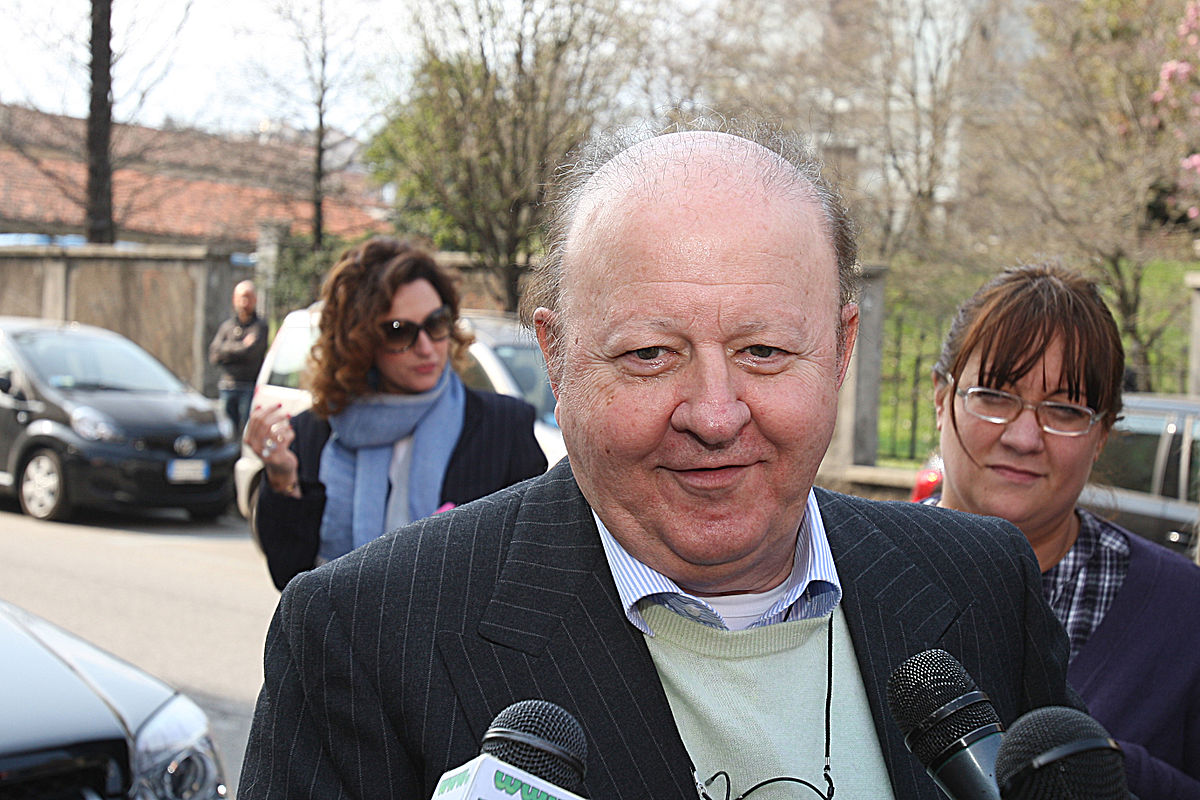
Massimo Boldi is a celebrated Italian actor and comedian known for his extensive work in film and television. With a career spanning several decades, Boldi has become a beloved figure in Italian pop culture. This article delves into his life, career, and significant achievements, providing detailed insights and exploring the nuances of his contributions to the entertainment industry.
Early Life and Background
Massimo Boldi was born on July 23, 1945, in Luino, a small town in the province of Varese, Italy. Growing up in a modest family, Boldi developed a passion for comedy and performance at an early age. His initial foray into the entertainment world was through music; he played the drums and performed with various local bands during his youth.
Entry into Comedy and Television
Boldi’s transition from music to comedy began in the 1970s when he moved to Milan to pursue a career in entertainment. He started performing in local cabarets and comedy clubs, quickly gaining a reputation for his humorous style and timing. His big break came when he was cast in the popular Italian television show “Canzonissima” in the early 1970s. This exposure led to more significant opportunities in television and film.
Rise to Fame: Film and Television Career
Early Successes
In the late 1970s and early 1980s, Boldi’s career began to take off. He starred in a series of successful comedy films that showcased his talent for physical comedy and his ability to play a variety of characters. His roles in films like “La Febbre del Sabato Sera” and “I Fichissimi” cemented his status as a leading comedic actor in Italy.
Collaboration with Christian De Sica
One of the most notable aspects of Boldi’s career is his long-standing collaboration with fellow Italian actor Christian De Sica. The duo became famous for their roles in the “cinepanettone” genre—Italian Christmas comedy films that are released annually during the holiday season. Their partnership began in the mid-1980s and produced a series of hit movies, including “Vacanze di Natale” (1983), “A spasso nel tempo” (1996), and “Merry Christmas” (2001). These films were hugely popular with Italian audiences and solidified Boldi’s place in the Italian comedy landscape.
Solo Career and Continued Success
In 2005, Boldi and De Sica ended their professional partnership, and Boldi embarked on a successful solo career. He continued to star in comedy films, maintaining his popularity with Italian audiences. Some of his notable solo works include “Olé” (2006), “La fidanzata di papà” (2008), and “Matrimonio a Parigi” (2011). Boldi’s ability to adapt to changing comedic trends and his consistent performance quality have ensured his enduring relevance in the Italian film industry.
Television Career
In addition to his film work, Massimo Boldi has had a significant presence on Italian television. He has hosted and appeared in various TV shows, including variety programs and comedy series. His television work has expanded his fan base and demonstrated his versatility as an entertainer.
Personal Life
Massimo Boldi’s personal life has also been a subject of public interest. He married Marisa Selo in 1973, and the couple had two daughters, Micaela and Manuela. Tragically, Marisa passed away in 2004 after a long illness. Boldi has often spoken about the impact of this loss on his life and career.
Despite the challenges, Boldi has remained active in the entertainment industry, finding solace and purpose in his work. His resilience and dedication have endeared him to fans and colleagues alike.
Legacy and Cultural Impact
Massimo Boldi’s contributions to Italian comedy and cinema are significant. His ability to make audiences laugh through his physical comedy, expressive face, and impeccable timing has made him a beloved figure in Italian culture. Boldi’s films, particularly the “cinepanettone” series, have become a staple of Italian holiday entertainment, reflecting and shaping the comedic tastes of the nation.
Influence on Italian Comedy
Boldi’s style of comedy, characterized by slapstick humor and exaggerated characters, has influenced a generation of Italian comedians and actors. His work has been compared to that of classic comedians like Charlie Chaplin and Buster Keaton, with a uniquely Italian twist. Boldi’s influence extends beyond his films, as his approach to comedy has shaped the broader landscape of Italian entertainment.
Awards and Recognitions
Throughout his career, Massimo Boldi has received numerous awards and recognitions for his contributions to Italian cinema and television. His achievements include several prestigious awards from the Italian film industry, as well as honors for his enduring impact on comedy and entertainment.
Historical Context and Significance
To fully appreciate Massimo Boldi’s impact, it’s essential to understand the historical and cultural context of his career. Italy’s post-war period saw significant changes in its entertainment industry, with television and cinema becoming central to Italian culture. Boldi’s rise to fame in the 1970s and 1980s coincided with a period of economic growth and cultural transformation in Italy. His films and television appearances resonated with audiences seeking humor and escapism amidst these changes.
The Evolution of Italian Comedy
Italian comedy has a rich history, rooted in traditions like Commedia dell’arte, which emphasized improvisation, physical comedy, and stock characters. Boldi’s work reflects these traditions while also incorporating contemporary elements. His films often feature social and cultural commentary, addressing themes relevant to Italian society. Boldi’s ability to blend timeless comedic techniques with modern sensibilities has contributed to his lasting appeal.
Challenges and Controversies
Like many public figures, Massimo Boldi’s career has not been without challenges and controversies. His decision to part ways with Christian De Sica, for example, sparked significant media attention and speculation. Despite these challenges, Boldi has managed to navigate the complexities of the entertainment industry, maintaining his reputation and continuing to produce successful work.
Future Prospects
As Massimo Boldi continues to be active in the entertainment industry, his future prospects remain promising. His ability to adapt to new trends and his willingness to take on diverse roles suggest that he will continue to be a prominent figure in Italian comedy. Fans eagerly anticipate his future projects, and his legacy as a comedic icon is assured.
Conclusion: Massimo Boldi’s Enduring Legacy
Massimo Boldi’s life and career exemplify the profound impact that a dedicated and talented performer can have on the cultural landscape. His contributions to Italian comedy, through both his films and television work, have left an indelible mark on the entertainment industry. Boldi’s ability to connect with audiences, his resilience in the face of personal and professional challenges, and his unwavering dedication to his craft make him a true icon of Italian cinema.
As we look back on his remarkable career, it is clear that Massimo Boldi’s influence extends beyond the screen. He has shaped the comedic sensibilities of a nation, brought joy to countless audiences, and inspired future generations of performers. Boldi’s legacy is one of laughter, resilience, and enduring popularity, ensuring that his contributions to Italian comedy will be remembered and celebrated for years to come.


