
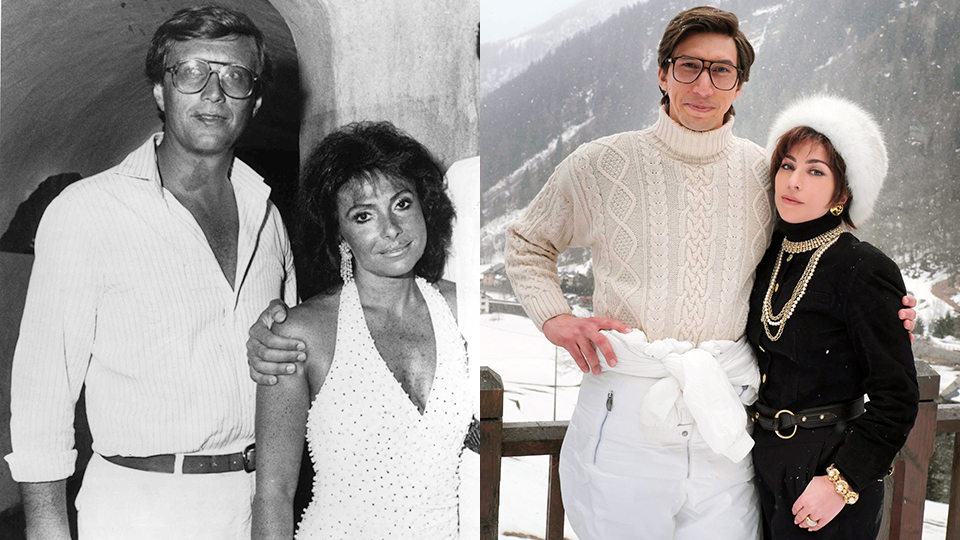
Maurizio Gucci was a man of style, wealth, and a legacy that still echoes in the fashion world today. Born on September 26, 1948, in Florence, Italy, he was the heir to the legendary Gucci fashion house, a brand synonymous with luxury, elegance, and Italian craftsmanship. His life, however, was marked by both tremendous success and tragic downfall, a story that has fascinated the public for decades. This article delves into the life of Maurizio Gucci, exploring his age, fame, and the highlights that made his life both remarkable and tragic.
Early Life and Family Background
Maurizio Gucci was born into one of the most influential families in the fashion industry. His father, Rodolfo Gucci, was one of the sons of Guccio Gucci, the founder of the Gucci brand. Rodolfo was not just a businessman but also a former actor, adding a touch of glamour to the Gucci lineage. Maurizio’s mother, Sandra Ravel, was an Austrian actress, further embedding him in a world of fame and sophistication from an early age.
Maurizio grew up in an environment steeped in luxury and privilege, but also in the shadow of great expectations. His early education was geared towards preparing him for a life in business, and he eventually pursued a degree in law. However, the fashion world was always in his blood, and it was only a matter of time before he stepped into the family business.
Taking Over Gucci: The Struggles and Triumphs
Maurizio’s life took a significant turn in 1983 when his father, Rodolfo, passed away. At the age of 35, Maurizio inherited a 50% stake in the Gucci empire. This was a time of great opportunity but also immense pressure. The brand, which had once been the epitome of luxury, was struggling. Family infighting, financial mismanagement, and a dilution of the brand’s identity had taken a toll.
Despite these challenges, Maurizio was determined to restore Gucci to its former glory. He took over the company and began a series of bold moves to revitalize the brand. One of his first decisions was to dismiss his uncle, Aldo Gucci, who had been involved in a scandal related to tax evasion. This move was controversial but necessary to regain control of the company.
Maurizio’s vision for Gucci was clear: he wanted to return the brand to its roots of exclusivity and high fashion. To achieve this, he brought in Dawn Mello, a renowned fashion executive, to revamp the brand’s image. Mello’s influence was significant, particularly in the hiring of Tom Ford, who would go on to become one of the most influential designers in Gucci’s history.
The Rise and Fall of the Gucci Empire
Under Maurizio’s leadership, Gucci began to regain its footing in the fashion world. The brand’s focus shifted towards high-end, luxury items, and away from the mass-market appeal that had diluted its image. Tom Ford’s designs were bold, sexy, and modern, helping to re-establish Gucci as a leader in the fashion industry.
However, Maurizio’s tenure at Gucci was not without its challenges. The company was hemorrhaging money, and there were significant disagreements within the company about the direction it should take. Despite his best efforts, Maurizio was unable to turn the company around financially. In 1993, after a decade at the helm, he made the difficult decision to sell his stake in Gucci to Investcorp, a Bahrain-based investment company. The sale marked the end of the Gucci family’s involvement in the company, a sad conclusion to what had once been a great dynasty.
Maurizio walked away from Gucci with a significant financial settlement, but the loss of the company was a heavy blow. His dream of restoring Gucci to its former glory had not been fully realized, and the company would only reach new heights after his departure, under the leadership of Domenico De Sole and Tom Ford.
Personal Life: Love, Loss, and Betrayal
Maurizio Gucci’s personal life was as tumultuous as his professional one. In 1973, he married Patrizia Reggiani, a socialite known for her glamorous lifestyle and strong personality. The couple had two daughters, Alessandra and Allegra. For a time, they were the epitome of high society, living a life of luxury and excess.
However, the marriage began to unravel in the 1980s. Maurizio’s increasing focus on the business and his growing distance from Patrizia led to tensions in their relationship. In 1985, he left Patrizia, telling her he was going on a short business trip but never returning. This act of abandonment was the beginning of a bitter and public divorce that would drag on for years.
Maurizio’s departure from Patrizia was not just an emotional betrayal but also a financial one. The divorce settlement was enormous, with Patrizia receiving a substantial amount in alimony, which allowed her to maintain her luxurious lifestyle. However, the bitterness between them only grew, culminating in a tragic event that would shock the world.
The Assassination of Maurizio Gucci
On March 27, 1995, Maurizio Gucci was gunned down outside his office in Milan. He was 46 years old. The murder was shocking, not just because of its brutality but also because of who Maurizio was. A member of one of the most famous fashion dynasties in the world, his death was a major news story globally.
The investigation into Maurizio’s murder was intense and complex. Initially, there were suspicions that his death was related to business dealings or possibly organized crime. However, the truth was even more shocking. After two years of investigation, it was revealed that Maurizio’s ex-wife, Patrizia Reggiani, had orchestrated his murder.
Patrizia was arrested and eventually convicted of arranging the killing. She had hired a hitman, Benedetto Ceraulo, to carry out the assassination, allegedly because she was furious over Maurizio’s abandonment and their divorce settlement. Patrizia was sentenced to 29 years in prison, a sentence that was later reduced to 26 years on appeal. Her role in the murder earned her the nickname “Black Widow” in the media.
Legacy and Cultural Impact
Maurizio Gucci’s life and death have had a lasting impact on popular culture. His story is one of glamour, betrayal, and tragedy, elements that have fascinated the public for years. The Gucci brand, under the leadership of Tom Ford and later Alessandro Michele, has become more successful than ever, a global symbol of luxury and style.
The story of Maurizio’s life and death was brought back into the spotlight with the release of the film House of Gucci in 2021, directed by Ridley Scott and starring Adam Driver as Maurizio and Lady Gaga as Patrizia Reggiani. The film, based on the book by Sara Gay Forden, explores the dynamics of the Gucci family and the events leading up to Maurizio’s assassination.
Maurizio Gucci’s legacy is a complex one. He was a man who tried to navigate the treacherous waters of family, business, and love, often with mixed results. His vision for Gucci laid the groundwork for the brand’s future success, even if he did not live to see it fully realized. Today, Gucci stands as one of the most powerful brands in the world, a testament to the enduring appeal of luxury, and a reminder of the high price of ambition and desire.
Conclusion
Maurizio Gucci was a man of ambition, vision, and ultimately, tragedy. His life was marked by incredible highs and devastating lows, a reflection of the volatile world in which he lived. From taking the helm of Gucci to losing it all, and from his tumultuous personal life to his shocking assassination, Maurizio’s story is one that continues to captivate and intrigue. His legacy lives on, not just in the brand that bears his name, but in the cultural memory of a man who was both a creator and a casualty of his own ambitions.


