
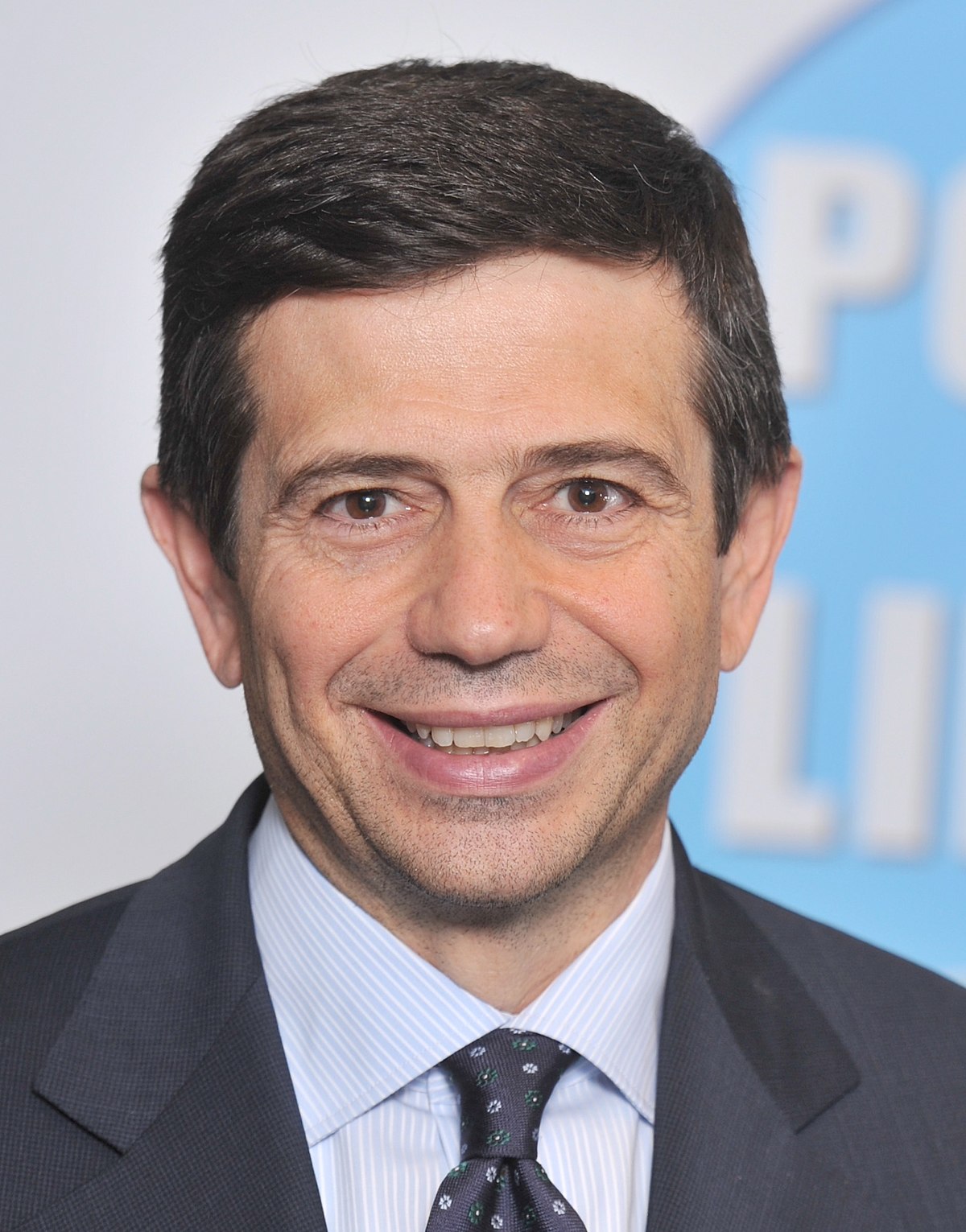
Maurizio Lupi, born on October 3, 1959, in Milan, Italy, is a prominent Italian politician, businessman, and public servant whose career has spanned decades. Known for his deep involvement in Italian politics, Lupi has held various key positions, including Minister of Infrastructure and Transport, and has been a central figure in Italy’s center-right political landscape. This article delves into the life, career, and significant achievements of Maurizio Lupi, offering detailed insights into his journey, his impact on Italian politics, and the challenges he has faced along the way.
Early Life and Education
Maurizio Lupi was born and raised in Milan, a city known for its economic dynamism and cultural heritage. Growing up in a family with strong Catholic values, Lupi’s early life was shaped by the teachings of the church, which later influenced his political ideology and career. After completing his secondary education, Lupi enrolled at the prestigious Catholic University of the Sacred Heart in Milan, where he pursued a degree in Political Science. His thesis focused on the integration of editorial systems in daily journalism, reflecting his early interest in media and communication.
In 1984, Lupi graduated with a degree in Political Science and immediately joined the Lombardy Order of Journalists as a publicist. His early career was marked by a strong connection to journalism, which laid the foundation for his later political endeavors. His involvement with the Catholic publication Il Sabato, where he worked initially as a personal assistant and later as the marketing director, allowed him to build a network within the Catholic and political communities.
Entry into Politics
Maurizio Lupi’s entry into politics was closely tied to his association with the Catholic lay movement, Communion and Liberation (CL), a powerful force in Italian politics, particularly within the center-right spectrum. In 1993, Lupi was elected as a city councilor in Milan, representing the Christian Democracy (DC) party during the administration of Mayor Marco Formentini. This period was crucial in shaping Lupi’s political career, as it provided him with the opportunity to engage in local governance and understand the intricacies of public administration.
In the mid-1990s, as the Christian Democracy party disintegrated, Lupi joined Forza Italia, the new center-right party founded by media magnate Silvio Berlusconi. His political career gained momentum when he was appointed CEO of Fiera Milano Congressi, a subsidiary of Fiera Milano, in 1994. This role allowed Lupi to demonstrate his managerial skills and deepened his involvement in the economic and infrastructural development of Milan.
Political Ascendancy: From Milan to Rome
Lupi’s political career took a significant leap in 1997 when he was appointed as an assessor in the Milan city council, under Mayor Gabriele Albertini. As the assessor responsible for urban development, public decorum, and private construction, Lupi played a pivotal role in shaping the urban landscape of Milan. His tenure was marked by several controversies, including investigations into alleged abuse of office and attempted fraud related to the allocation of public properties. However, these charges were dismissed during the preliminary hearings, and Lupi continued to rise in the political ranks.
In 2001, Lupi made his entry into national politics by being elected as a Member of Parliament (MP) for Forza Italia in the Merate constituency, in the province of Lecco. This marked the beginning of a long and influential career in the Italian Parliament. As an MP, Lupi quickly established himself as a key player in the center-right coalition, particularly in matters related to public works, infrastructure, and urban development. He was appointed head of the Forza Italia parliamentary group in the Environment, Public Works, and Territory Committee, where he played a crucial role in shaping national policies in these areas.
Legislative Achievements and National Influence
Throughout his tenure in the Italian Parliament, Maurizio Lupi became known for his legislative initiatives and his influence on infrastructure and transport policies. He was a vocal advocate for the development of Italy’s infrastructure, recognizing its importance for economic growth and national competitiveness. Lupi’s legislative work often focused on improving Italy’s transport networks, urban planning, and environmental policies.
One of Lupi’s significant legislative achievements was his role in the passage of the bipartisan law “Incentives for the Return of Workers to Italy,” which aimed to encourage Italian professionals working abroad to return to Italy by offering tax incentives. This law was part of a broader effort to address the brain drain problem that Italy had been facing, with many talented professionals leaving the country in search of better opportunities abroad.
Lupi was also one of the founding members of the Intergroup Parliamentary for Subsidiarity, an initiative that promoted the principle of subsidiarity in governance, which advocates for decisions to be made as closely as possible to the citizen. This principle was deeply rooted in Lupi’s Catholic social teaching, reflecting his belief in the importance of local governance and community involvement in decision-making processes.
Ministerial Role and Public Service
Maurizio Lupi’s influence in Italian politics reached its peak when he was appointed Minister of Infrastructure and Transport in 2013 under the government of Enrico Letta. This position placed Lupi at the helm of one of Italy’s most critical ministries, responsible for overseeing the country’s transport infrastructure, including roads, railways, airports, and ports.
During his tenure as Minister, Lupi focused on modernizing Italy’s infrastructure, promoting sustainable transport solutions, and addressing the challenges posed by the country’s aging transport networks. He was instrumental in advancing several key projects, including the expansion of high-speed rail networks and the development of urban transport systems in major cities.
However, Lupi’s time as Minister was not without controversy. In 2015, he became embroiled in a scandal involving allegations of corruption related to public contracts in the infrastructure sector. Although Lupi was not personally implicated in any wrongdoing, the scandal created significant political pressure, leading him to resign from his ministerial position in March 2015. His resignation was seen as a move to protect the integrity of the ministry and avoid further political fallout for the government.
Return to Parliament and Continued Political Engagement
Despite the setback of his resignation, Maurizio Lupi remained an influential figure in Italian politics. He returned to Parliament and continued to serve as an MP, focusing on his core areas of expertise in infrastructure, transport, and urban development. Lupi’s resilience and ability to navigate the complexities of Italian politics have kept him at the forefront of the center-right coalition.
In the years following his resignation, Lupi has continued to advocate for policies that promote economic development, social cohesion, and the strengthening of Italy’s infrastructure. He has also been active in various parliamentary committees and working groups, where his expertise in public works and transport remains highly valued.
Personal Life and Legacy
Maurizio Lupi’s personal life is closely intertwined with his public career. He is married and has three children, and his strong Catholic faith has been a guiding force throughout his life. Lupi’s commitment to his faith is evident in his involvement with Communion and Liberation, as well as his work in promoting Catholic social teachings in public policy.
Lupi has also authored several books, including La prima politica è vivere (“The First Politics is Living”), in which he reflects on the importance of living according to one’s values and the role of faith in public life. His writings offer insights into his philosophy of governance, which emphasizes the need for moral integrity, subsidiarity, and a focus on the common good.
Challenges and Triumphs
Maurizio Lupi’s political career has been marked by both challenges and triumphs. From his early days as a city councilor in Milan to his role as a national legislator and minister, Lupi has navigated the complexities of Italian politics with resilience and determination. His ability to maintain his influence despite setbacks, such as his resignation as Minister, is a testament to his political acumen and deep-rooted connections within the center-right coalition.
Lupi’s legacy in Italian politics is characterized by his contributions to the development of Italy’s infrastructure and his advocacy for policies that reflect his Catholic values. His work has had a lasting impact on Italy’s transport networks and urban development, and he remains a respected figure in the country’s political landscape.
Conclusion
Maurizio Lupi is a seasoned politician whose career has been defined by his commitment to public service, his Catholic faith, and his focus on improving Italy’s infrastructure. From his early beginnings in journalism and local politics to his role as a national legislator and Minister of Infrastructure and Transport, Lupi has consistently worked to advance policies that promote economic development, social cohesion, and the common good.
Despite the challenges he has faced, including his resignation from the ministerial post, Lupi’s influence in Italian politics remains strong. His legacy is one of resilience, integrity, and a deep commitment to the principles of subsidiarity and community involvement. As he continues to serve in the Italian Parliament, Maurizio Lupi’s contributions to public life in Italy will undoubtedly continue to shape the country’s future.


