
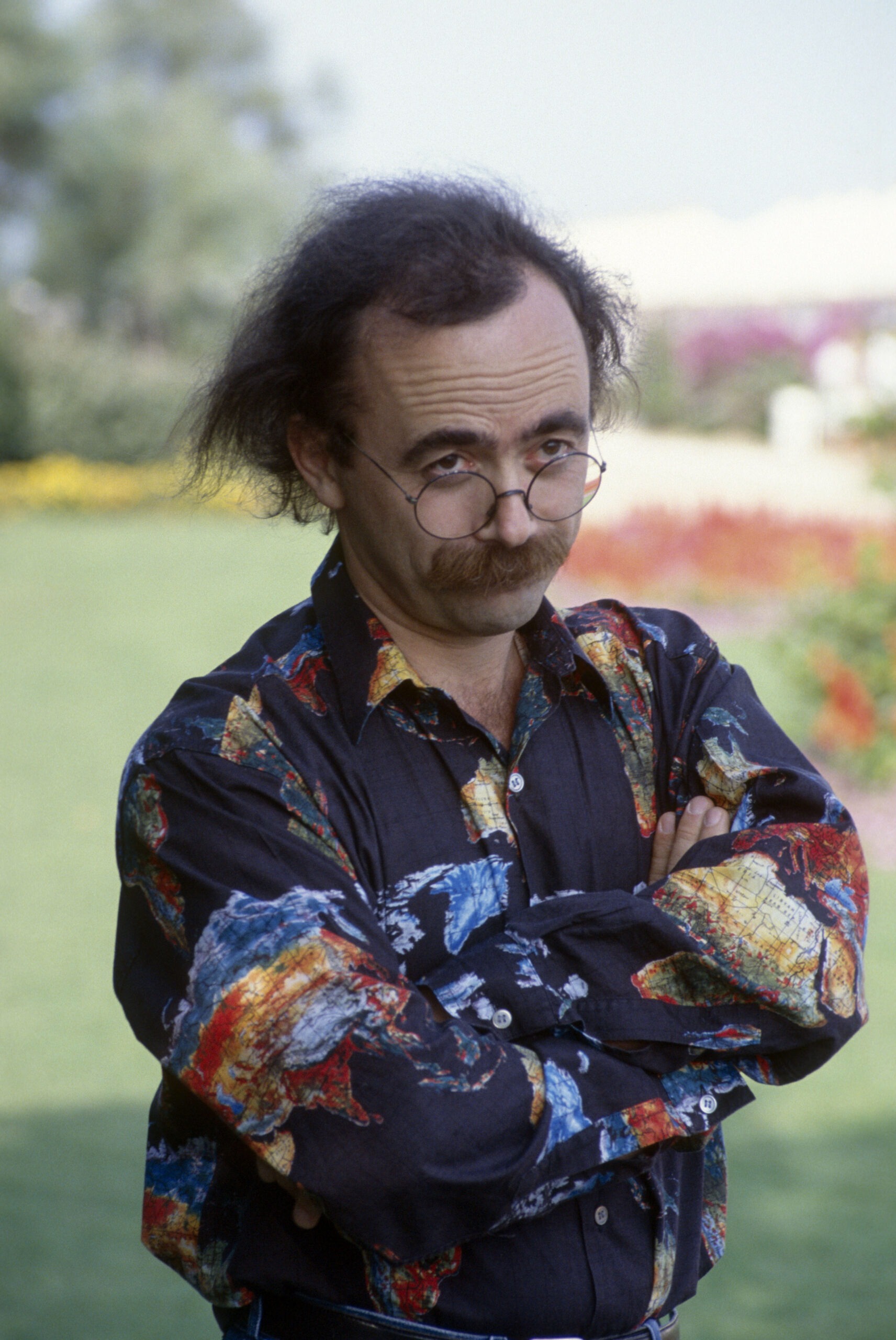
Maurizio Nichetti, born on May 8, 1948, in Milan, Italy, is a multifaceted artist whose career has spanned the worlds of film, television, and theater. Renowned for his innovative approach to filmmaking, Nichetti has made a significant impact on Italian cinema, combining humor, surrealism, and a deep understanding of visual storytelling. His work has been celebrated for its originality and creativity, making him a unique figure in the entertainment industry. In this comprehensive exploration of Nichetti’s life, we will delve into his early years, his rise to fame, and the key highlights of his illustrious career, while also providing insights into the historical and cultural context that shaped his work.
Early Life and Education
Maurizio Nichetti was born into a culturally rich environment in post-war Italy, a period marked by significant social and economic changes. Growing up in Milan, a city known for its artistic heritage, Nichetti was exposed to a wide range of cultural influences from an early age. His initial education was in the sciences, as he attended a scientific high school, reflecting a traditional path that many Italian families valued during that era. However, Nichetti’s true passion lay in the arts, and this became evident during his university years.
Nichetti pursued a degree in architecture at the prestigious Politecnico di Milano, graduating in 1975. While architecture provided a solid foundation in design and structure, Nichetti was increasingly drawn to more expressive and creative forms of art. During his university years, he began to explore the world of performance, studying mime under Marise Flach at the Piccolo Teatro di Milano. This experience would prove to be formative, as it introduced Nichetti to the world of physical comedy and visual storytelling, elements that would become central to his later work in film and television.
The Beginnings of a Cinematic Career
Nichetti’s entry into the world of cinema began in 1971 when he started working as a screenwriter for animated films at the Bruno Bozzetto Film studio. Bruno Bozzetto, a prominent figure in Italian animation, recognized Nichetti’s talent for storytelling and visual humor. During his time at the studio, Nichetti contributed to several significant projects, including the creation of the beloved character “Signor Rossi” and the film “Allegro Non Troppo,” a mixed-media masterpiece that combined live-action and animation.
“Allegro Non Troppo” was particularly notable for its satirical take on Disney’s “Fantasia,” blending classical music with surreal and often darkly humorous animated sequences. Nichetti’s role in the film, both as a screenwriter and actor, showcased his ability to merge comedy with deeper artistic expression. This project marked the beginning of Nichetti’s journey as a filmmaker who could effortlessly move between different genres and styles.
Breakthrough with “Ratataplan” and the Rise to Fame
The late 1970s were a turning point in Nichetti’s career. In 1979, he made his directorial debut with the film “Ratataplan,” a low-budget project that would go on to become a cult classic in Italian cinema. “Ratataplan” is a silent, slapstick comedy that tells the story of an eccentric engineer navigating the challenges of life and love in Milan. The film’s success was largely due to its unique style, which blended physical comedy reminiscent of Buster Keaton with a distinctly Italian sense of absurdity.
“Ratataplan” was shot on a shoestring budget, but Nichetti’s ingenuity and creativity made it a resounding success. The film was presented at the Venice Film Festival, where it received widespread acclaim from both critics and audiences. Its innovative use of visual humor and minimal dialogue resonated with viewers, and it became a box office hit, a rarity for an independent film in Italy at the time.
The success of “Ratataplan” catapulted Nichetti to national fame, and he quickly became a sought-after figure in the Italian film industry. His ability to create engaging and entertaining content with limited resources earned him a reputation as a visionary director, capable of pushing the boundaries of conventional cinema.
Exploring Different Mediums: Television and Beyond
Following the success of “Ratataplan,” Nichetti expanded his horizons, exploring other mediums such as television and live theater. In the early 1980s, he founded the mime school “Quelli di Grock” in Milan, which later evolved into a well-known theater company. This venture allowed Nichetti to continue experimenting with physical comedy and visual storytelling, while also nurturing the next generation of performers.
Nichetti’s foray into television was marked by his work on “Quo Vadiz,” a comedic variety show that aired in 1984. As the writer, director, and host of the show, Nichetti brought his signature style of humor to the small screen, blending skits, animated segments, and live performances. The show was well-received and further established Nichetti as a versatile entertainer who could adapt his talents to different formats.
Throughout the 1980s and 1990s, Nichetti continued to work in both film and television, creating a series of memorable projects. His 1989 film “Ladri di saponette” (“The Icicle Thief”) is particularly noteworthy for its innovative narrative structure. The film, a satire of Italian television and advertising, tells the story of a family watching a black-and-white neorealist film that is repeatedly interrupted by colorful commercials. The film was a critical success, winning the Grand Prize at the Moscow Film Festival and solidifying Nichetti’s reputation as a filmmaker who could blend humor with social commentary.
The Pinnacle of Success: “Volere Volare”
One of Nichetti’s most acclaimed works is the 1991 film “Volere Volare,” which he co-directed with Guido Manuli. The film is a whimsical romantic comedy that tells the story of a man who gradually transforms into a cartoon character as he falls in love. “Volere Volare” is a masterful blend of live-action and animation, showcasing Nichetti’s deep understanding of both mediums.
The film was a commercial and critical success, earning several awards, including the David di Donatello for Best Screenplay and the Best Director award at the Montreal World Film Festival. “Volere Volare” is often cited as one of Nichetti’s most innovative works, as it seamlessly integrates fantastical elements with a heartfelt love story.
Later Career and Contributions to Italian Cinema
As the 1990s progressed, Nichetti continued to explore new ideas and push the boundaries of his craft. In 1993, he directed “Stefano Quantestorie,” a film that explores multiple parallel lives of its protagonist, each representing different choices and paths he could have taken. The film’s non-linear narrative and experimental approach received praise for its originality and depth.
Nichetti also took on roles behind the scenes, contributing to the Italian film industry in various capacities. From 1997 to 1999, he served as a member of the board of directors for Cinecittà Holding, where he focused on promoting Italian cinema internationally and supporting the restoration of classic films. His efforts in this role helped to preserve Italy’s rich cinematic heritage while also fostering new talent.
In 2000, Nichetti returned to his roots with the film “Honolulu Baby,” which revisits the character of the engineer from “Ratataplan.” The film reflects Nichetti’s enduring love for visual humor and his ability to find the extraordinary in the ordinary. Although it did not achieve the same level of commercial success as his earlier works, “Honolulu Baby” was appreciated for its charm and nostalgia.
Legacy and Influence on Contemporary Cinema
Maurizio Nichetti’s contributions to Italian cinema are undeniable. His unique style, characterized by a blend of physical comedy, surrealism, and a keen sense of social observation, has left a lasting impact on the industry. Nichetti’s work resonates with audiences not only for its humor but also for its ability to comment on the human condition in a way that is both accessible and profound.
Nichetti’s films have influenced a generation of filmmakers who admire his ability to innovate within the constraints of budget and genre. His approach to filmmaking, which often involves a combination of live-action and animation, has paved the way for other directors to explore similar techniques. Moreover, his commitment to the craft of storytelling, whether through film, television, or theater, has solidified his place as a pioneer in the world of entertainment.
Historical Context and Cultural Impact
To fully appreciate Maurizio Nichetti’s work, it is essential to consider the historical and cultural context in which he emerged. The post-war period in Italy was a time of reconstruction and renewal, with the film industry playing a crucial role in shaping the national identity. Italian cinema during this era was dominated by neorealism, a movement that focused on the everyday lives of ordinary people, often depicted with stark realism.
Nichetti, while influenced by this tradition, chose a different path, one that embraced the absurd and the fantastical. His work can be seen as a response to the seriousness of neorealism, offering a more whimsical and humorous take on the challenges of modern life. At the same time, his films often include subtle critiques of contemporary society, making them both entertaining and thought-provoking.
Nichetti’s ability to combine humor with social commentary is perhaps his greatest contribution to Italian cinema. His films, while lighthearted on the surface, often explore deeper themes such as the impact of media on culture, the absurdity of modern life, and the tension between tradition and progress. In doing so, Nichetti has created a body of work that is both timeless and relevant, appealing to audiences across different generations and cultures.
Conclusion: A Life Dedicated to Creativity
Maurizio Nichetti’s career is a testament to the power of creativity and innovation. From his early days as an animator and screenwriter to his later work as a director, Nichetti has consistently pushed the boundaries of what is possible in film and television. His unique blend of humor, visual storytelling, and social commentary has made him a beloved figure in Italian cinema, and his influence continues to be felt in the work of contemporary filmmakers.
As we reflect on Nichetti’s life and career, it is clear that his contributions to the arts are far-reaching. Whether through his films, television shows, or live performances, Nichetti has left an indelible mark on the world of entertainment. His work reminds us of the importance of laughter, imagination, and the endless possibilities of the creative mind.


