
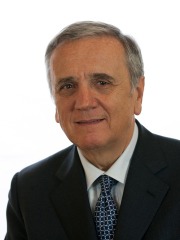
Maurizio Sacconi is a prominent figure in Italian politics, renowned for his extensive contributions to labor, social policy, and economic reform. Born on July 13, 1950, in Conegliano Veneto, Treviso, Sacconi’s career spans several decades, during which he has played a pivotal role in shaping Italy’s legislative landscape. His work as a politician, educator, and author has made him a significant figure in the realms of labor law, public administration, and social policy. This article delves into the life and career of Maurizio Sacconi, providing detailed insights into his achievements, contributions, and the broader impact of his work.
Early Life and Education
Maurizio Sacconi was born in the picturesque town of Conegliano Veneto in Northern Italy, a region known for its rich history and cultural heritage. Growing up in this environment, Sacconi developed an early interest in law and governance, which would later guide his professional and academic pursuits.
Sacconi pursued higher education in law, earning a degree in jurisprudence. His academic background provided him with a solid foundation in legal principles, which he would later apply in his various roles within the Italian government and international organizations. Sacconi’s early academic achievements laid the groundwork for his career in public service, where he would become known for his expertise in labor economics and public administration.
Entry into Politics: A Rising Star in the Italian Parliament
Maurizio Sacconi’s political career began in earnest in 1979 when he was elected as a Member of Parliament (MP) for the Italian Chamber of Deputies. His election marked the start of a long and distinguished career in Italian politics. Over the next 15 years, Sacconi would serve as an MP for four consecutive legislatures, during which he became known for his work on industrial innovation, financial policy, and labor law.
One of Sacconi’s early achievements in Parliament was his role as the President of the Committee for Industrial Innovation, where he was instrumental in advancing policies that promoted technological advancement and economic growth in Italy. His leadership in this area was marked by a deep understanding of the challenges facing Italian industry and a commitment to fostering innovation.
Sacconi also served on the Budget Committee, where he played a key role in shaping Italy’s financial legislation. As a rapporteur for the annual financial law in 1983, 1984, and 1987, Sacconi was responsible for overseeing critical aspects of Italy’s budgetary process, ensuring that fiscal policies were aligned with the country’s economic goals. His work in this capacity earned him a reputation as a skilled legislator with a keen eye for detail.
International Experience: The ILO and Global Labor Policy
In 1995, Maurizio Sacconi expanded his professional horizons by joining the International Labour Office (ILO), the specialized agency of the United Nations focused on labor issues. As the Branch Office Director in Rome, Sacconi was responsible for representing the ILO in Italy and coordinating its activities in the region. His work with the ILO allowed him to gain a global perspective on labor issues and to contribute to international efforts to promote fair labor practices and social justice.
During his tenure at the ILO, Sacconi focused on a range of issues, including the elimination of child labor, the promotion of decent work, and the development of social safety nets for vulnerable populations. His work in this international context further solidified his expertise in labor law and social policy, making him a respected figure in global labor circles.
Return to Italian Politics: Leadership in Labor and Social Policy
After his tenure at the ILO, Maurizio Sacconi returned to Italian politics, where he continued to focus on labor and social policy. From 2001 to 2006, Sacconi served as the Undersecretary at the Ministry of Labor and Social Policies in Italy. In this role, he was responsible for overseeing a wide range of labor-related issues, including employment policy, social security, and workplace safety.
One of Sacconi’s most significant contributions during this period was his work on labor market reform. He played a key role in developing policies that aimed to modernize Italy’s labor market, making it more flexible and responsive to the needs of both employers and workers. These reforms were part of a broader effort to address the challenges posed by globalization and technological change, which were transforming the nature of work in Italy and around the world.
Sacconi’s work on labor market reform was characterized by a pragmatic approach that balanced the need for economic efficiency with the importance of protecting workers’ rights. His policies sought to create a more dynamic labor market while ensuring that vulnerable workers were not left behind. This approach earned him praise from both business leaders and labor unions, who recognized the need for reforms that would keep Italy competitive in the global economy.
Minister of Labor, Health, and Social Policies: A Key Figure in the Berlusconi Government
In 2008, Maurizio Sacconi was appointed Minister of Labor, Health, and Social Policies in the fourth government led by Prime Minister Silvio Berlusconi. This appointment marked the pinnacle of Sacconi’s political career, as he took on one of the most important portfolios in the Italian government.
As Minister, Sacconi was responsible for overseeing a wide range of policy areas, including labor market regulation, health care, and social welfare. His tenure was marked by significant challenges, including the global financial crisis, which had a profound impact on Italy’s economy and labor market.
During this period, Sacconi implemented a series of reforms aimed at stabilizing the labor market, improving healthcare services, and strengthening social safety nets. One of his most notable achievements was the introduction of policies that aimed to reduce youth unemployment, which had become a pressing issue in Italy. These policies included incentives for companies to hire young workers, as well as measures to improve vocational training and education.
Sacconi also played a key role in addressing the challenges posed by Italy’s aging population. He worked to reform the pension system, ensuring its sustainability in the face of demographic changes. His reforms aimed to strike a balance between the need to provide adequate pensions for retirees and the necessity of maintaining fiscal discipline.
Contributions to Academia and Thought Leadership
In addition to his work in politics, Maurizio Sacconi has made significant contributions to academia and thought leadership. He has served as a professor of labor economics at the University of Rome Tor Vergata, where he has shared his expertise with the next generation of Italian economists and policymakers.
Sacconi is also an accomplished author, having written numerous articles and books on topics related to labor law, social policy, and economic reform. His publications include “La Finanza e la Regola” (Finance and the Rule), which explores the relationship between financial markets and regulatory frameworks, and “La Società Attiva” (The Active Society), which offers a manifesto for modern social security systems. These works have been widely recognized for their insightful analysis and practical policy recommendations.
In addition to his academic work, Sacconi has been an active participant in public debates on labor and social policy. He has contributed to various think tanks and policy forums, where he has shared his views on the future of work, the role of government in regulating labor markets, and the challenges posed by globalization and technological change.
Personal Life and Legacy
Maurizio Sacconi is married to Enrica Giorgetti, who is also active in public life as the president of the Amici di Marco Biagi association. The couple’s shared commitment to social issues has been a defining feature of their lives together. Sacconi’s personal life is characterized by a deep commitment to public service, and his work has had a lasting impact on Italy’s labor and social policies.
Throughout his career, Sacconi has been driven by a commitment to improving the lives of ordinary Italians. His work on labor market reform, social policy, and economic regulation has helped to shape the course of Italian politics and has left a lasting legacy on the country’s legislative landscape.
As he continues to contribute to public life, Maurizio Sacconi remains a respected figure in Italian politics and academia. His career serves as a testament to the importance of public service and the impact that dedicated individuals can have on the lives of others.
Conclusion
Maurizio Sacconi’s life and career are a testament to the power of dedication, expertise, and a commitment to public service. From his early days as a young MP to his leadership roles in the Italian government and international organizations, Sacconi has consistently worked to improve the lives of Italians through thoughtful and effective policy-making.
His contributions to labor law, social policy, and economic reform have had a lasting impact on Italy, and his work continues to influence debates on these issues both in Italy and abroad. As a politician, educator, and thought leader, Sacconi’s legacy is one of innovation, pragmatism, and a deep commitment to the public good.


