
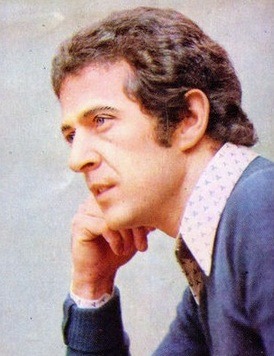
Memo Remigi, born Emidio Remigi on May 27, 1938, in Erba, a small town in the province of Como, Italy, is a multifaceted Italian entertainer known for his work as a singer, songwriter, radio and television presenter. Over the decades, Remigi has become a beloved figure in Italian culture, with a career that spans more than six decades. In this article, we will explore Memo Remigi’s life, his rise to fame, and the key highlights that have defined his enduring career. We will also delve into the historical and cultural context surrounding his work, providing a comprehensive look at one of Italy’s most cherished entertainment icons.
Early Life and Beginnings
Memo Remigi’s early life in Erba was typical of many Italian families in the mid-20th century. Born into a modest household, Remigi’s childhood was marked by the aftermath of World War II, which left much of Italy in a state of reconstruction. Despite the challenges of the time, Remigi found solace in music, a passion that would soon shape the course of his life. His talent for singing and songwriting emerged early, leading him to pursue a career in music at a time when Italy was experiencing a cultural renaissance.
In the early 1960s, Remigi began performing in local venues around Como, gaining recognition for his unique voice and charismatic stage presence. His big break came in 1960 when he won the Festival della Canzone di Liegi. This victory marked the beginning of a long and successful career in the Italian music industry. Following this success, Remigi secured his first recording contract with the Karim label, which set the stage for his rise to national fame.
The Rise to Fame: 1960s Success and Beyond
The 1960s were a transformative decade for Memo Remigi. After signing with Karim, he quickly made a name for himself with his distinctive style and memorable performances. One of his most significant early achievements was his participation in the 1965 music competition “Un disco per l’estate,” where his song “Innamorati a Milano” became a massive hit. Written with lyrics by Alberto Testa, the song captured the essence of Milan’s romantic allure and solidified Remigi’s place in the Italian music scene.
“Innamorati a Milano” was not just a hit; it became an anthem that resonated with the Italian public, symbolizing the optimism and cultural vitality of the 1960s. The song’s success led Remigi to sign with Ri-Fi, a more prominent record label, which helped to further elevate his career. This period marked the beginning of Remigi’s lasting impact on Italian pop culture.
Sanremo and Songwriting Successes
Memo Remigi’s success in the 1960s extended beyond his performances. He became a regular participant in the prestigious Sanremo Music Festival, one of Italy’s most important music events. His first appearance at Sanremo was in 1967 when he performed “Dove credi di andare” in collaboration with Sergio Endrigo. This appearance was followed by further participations in 1969 with “Una famiglia” alongside Isabella Iannetti, and in 1973 with “Il mondo è qui.”
Remigi’s influence as a songwriter was also evident during this period. In 1965, he composed the music for the song “Io ti darò di più,” which was performed at Sanremo by both Orietta Berti and Ornella Vanoni. The song became a signature piece for both artists and is still remembered as one of the classic hits of Italian music. Additionally, his song “La notte dell’addio,” co-written with Alberto Testa, was performed by Iva Zanicchi and the American singer Vic Dana at the same festival, further cementing his reputation as a talented composer.
Transition to Radio and Television: A New Chapter
As Memo Remigi’s career progressed, he expanded his talents beyond music into the realms of radio and television. The 1970s marked his transition from a popular singer to a versatile media personality. He became a familiar voice on Italian radio, hosting programs such as Piano Bar “Gocce di Luna” and Via Asiago Tenda. These shows allowed him to connect with a broader audience, showcasing his charm and wit in a new medium.
In 1977, Remigi made his television debut with the program “Il mercante in fiera” on Antenna 59. This marked the beginning of a successful television career that would see him host numerous shows over the years. His ability to engage with viewers made him a popular figure on Italian TV, where he brought a sense of warmth and familiarity to the screen.
Throughout the late 1970s and 1980s, Memo Remigi continued to host a variety of television programs, including “Per un gradino in più” (1971), “Qualcosa da dire” (1974), “Con rabbia e con amore” (1976), and “A modo mio” (1977). His versatility as a presenter was further demonstrated in the children’s program “L’inquilino del piano di sotto” (1979), where he co-hosted with the beloved puppet Topo Gigio. Remigi’s ability to connect with both adult and young audiences made him a household name in Italy.
Continued Success in the 1980s and 1990s
The 1980s and 1990s saw Memo Remigi maintain his status as a prominent figure in Italian entertainment. He continued to host popular television programs such as “Fantastico 2” (1981-1982), a highly rated variety show that was a staple of Italian TV during that era. His work on “Mattina 2” (1992), alongside Alberto Castagna, and “Detto tra noi mattina” (1993-1994) with Mita Medici, further showcased his adaptability and enduring appeal as a television presenter.
During this time, Remigi also remained active in music, although his focus had shifted more towards television. His ability to navigate both mediums successfully is a testament to his talent and versatility. Memo Remigi’s enduring presence on television throughout these decades helped solidify his legacy as one of Italy’s most beloved entertainers.
The 21st Century: A New Era of Engagement
As the 21st century unfolded, Memo Remigi continued to evolve with the times, remaining a relevant and respected figure in Italian entertainment. In the 2010s, he became a regular guest on television programs, including “Propaganda Live” (La7, from 2017) hosted by Diego Bianchi, and “Oggi è un altro giorno” (Rai 1, 2021) hosted by Serena Bortone. These appearances allowed him to connect with a new generation of viewers while continuing to entertain his long-time fans.
In 2019, Memo Remigi made his film debut in “Se mi vuoi bene”, a film directed by Sergio Rubini, where he appeared alongside stars like Claudio Bisio and Elena Santarelli. This venture into film demonstrated Remigi’s willingness to explore new avenues in his career, adding another dimension to his already impressive resume.
In 2021, Remigi joined the cast of the popular television dance competition “Ballando con le stelle” (the Italian version of “Dancing with the Stars”). Paired with professional dancer Maria Ermachkova, Remigi’s participation in the show was a testament to his enduring energy and enthusiasm for performance, even in his 80s.
Personal Life: Love, Loss, and Legacy
Memo Remigi’s personal life has also been a subject of public interest, particularly his long marriage to Lucia Russo. The couple married in 1966 and were together for 55 years until her death in January 2021 after a long illness. Remigi’s love and devotion to his wife were evident in his public tributes to her, including a heartfelt message on social media following her passing, where he poignantly expressed his gratitude for the years they spent together.
The couple had one son, Stefano Remigi, born in 1969. Like his father, Stefano has pursued a career in the entertainment industry, further extending the Remigi legacy. Stefano is married to Francesca Cavallin, a well-known actress, television presenter, and former model, adding another layer of celebrity to the family.
Memo Remigi’s personal life has not been without controversy. He once claimed to have had a romantic relationship with Italian television host Barbara D’Urso when she was just 19 years old. D’Urso, however, has publicly denied the relationship, leading to a brief public spat between the two. Despite this, Remigi has largely remained a respected and admired figure in Italian culture.
Memo Remigi’s Cultural Impact and Legacy
Memo Remigi’s impact on Italian culture extends beyond his contributions to music and television. He represents a generation of Italian entertainers who helped shape the country’s post-war cultural identity. His music, particularly songs like “Innamorati a Milano,” captures the spirit of a bygone era while remaining timeless in its appeal.
As a television presenter, Remigi has been a constant presence in Italian homes for decades, guiding audiences through a changing media landscape with charm and grace. His ability to adapt to new formats and maintain his popularity over such a long period is a rare achievement in the entertainment industry.
Conclusion
Memo Remigi’s life and career are a testament to the enduring power of talent, adaptability, and perseverance. From his early days as a singer in local venues to his rise as a national icon, Remigi has consistently demonstrated his ability to entertain and connect with audiences across multiple generations. As he continues to engage with the public in the 21st century, Memo Remigi remains a beloved figure in Italian culture, with a legacy that will undoubtedly endure for years to come.


