
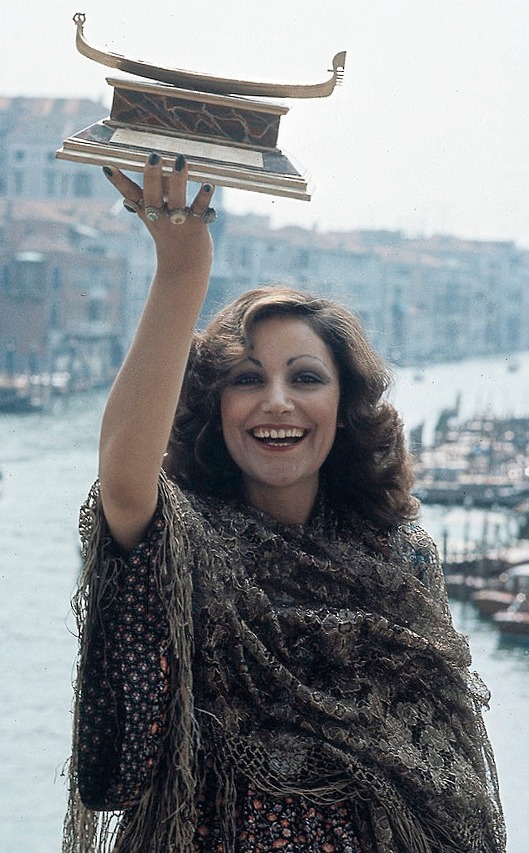
Mia Martini, born Domenica Berté on September 20, 1947, in Bagnara Calabra, Italy, was an iconic Italian singer whose soulful voice and emotional depth left an indelible mark on the music industry. Her life was filled with triumphs and tragedies, and her legacy continues to resonate with fans and music lovers worldwide. This article delves into the life of Mia Martini, exploring her age, rise to fame, significant life highlights, and the profound impact she had on Italian music and culture.
Early Life and Musical Beginnings
Domenica Berté, who would later be known as Mia Martini, was the second of four daughters in her family. She spent her early years in Porto Recanati, a small town where she was surrounded by music from a young age. Her mother, Maria Salvina Dato, recognized her daughter’s passion and talent for music and made the bold decision to move to Milan in search of opportunities in the music industry.
In 1962, Mia Martini’s career began to take shape when she met Carlo Alberto Rossi, a prominent music producer. At just 15 years old, she started her journey in the industry as a “ragazza ye-ye,” a backing vocalist for popular twist and rock songs of the time. Despite her youth, Mia Martini was already drawing inspiration from legendary artists like Aretha Franklin, whose influence would be evident in her vocal style throughout her career.
Her first single, “Il Magone,” released under the stage name Mimì Berté, earned her recognition after winning the Bellaria Festival in 1964. However, this initial success was fleeting, and she struggled to maintain momentum in the competitive music industry.
The Transformation to Mia Martini
The pivotal moment in Mia Martini’s career came in 1970 when she met Alberigo Crocetta, the founder of the famous Piper Club in Rome. Crocetta saw potential in her and helped rebrand her as Mia Martini, a name that would soon become synonymous with passion and authenticity in Italian music.
Her first single as Mia Martini, “Padre davvero,” was released in 1971 and immediately sparked controversy. The song, which dealt with the sensitive topic of a daughter rebelling against a violent father, was censored by RAI, the Italian national broadcaster. Despite the censorship, the song won the Festival di Musica d’Avanguardia e Nuove Tendenze in Viareggio, marking Mia Martini’s entry into the spotlight.
Later that year, she released her debut album, “Oltre la collina,” which featured songs addressing themes of despair and suicide. This album, one of her best, showcased her deep emotional range and willingness to tackle difficult subjects through her music. Her collaboration with young artists like Claudio Baglioni and the attention of established figures like Lucio Battisti further solidified her reputation as a rising star.
Rise to Fame
Mia Martini’s big break came in 1972 with the release of the single “Piccolo uomo,” written by Bruno Lauzi. The song was a massive success, winning the prestigious Festivalbar competition and establishing her as one of Italy’s most talented and innovative singers. The album “Nel Mondo,” which included contributions from Brazilian legend Vinicius De Moraes, further demonstrated her artistic versatility.
Throughout the 1970s, Mia Martini continued to produce hits and earn critical acclaim. In 1973, she released “Minuetto,” a song written by Franco Califano and Dario Baldan Bembo, which became one of her most successful singles. The song’s popularity was such that it was translated into multiple languages and brought Mia Martini international recognition, particularly in France, where she was often compared to the legendary Edith Piaf.
Her success in the early 1970s was not just commercial but also artistic. Mia Martini was consistently praised by critics for her innovative approach to music and her ability to convey deep emotion through her performances. This recognition culminated in 1982 when she won the inaugural Premio della Critica at the Sanremo Music Festival, a prestigious award that would later be renamed the Premio Mia Martini in her honor.
Personal Struggles and Industry Challenges
Despite her success, Mia Martini’s life was marred by personal struggles and challenges within the music industry. One of the most significant turning points in her career came in 1975 when she was embroiled in a legal battle with her record label, Ricordi. The dispute, which involved allegations of contract breaches, led to a lengthy legal battle that resulted in the seizure of her assets and the payment of a substantial fine.
During this period, Mia Martini also faced persistent rumors and superstitions within the Italian music industry. Some colleagues unfairly labeled her as a harbinger of bad luck, a baseless accusation that significantly impacted her career. The stigma attached to these rumors eventually led her to withdraw from the music scene in 1983, a decision that would last for several years.
However, even during this challenging period, Mia Martini continued to produce music that resonated with audiences. She released the album “Che vuoi che sia… se t’ho aspettato tanto,” which featured collaborations with emerging artists like Amedeo Minghi and Pino Mango. Her performances in France, including a recital at the prestigious Olympia in Paris alongside Charles Aznavour, demonstrated her enduring appeal and talent.
The Comeback and Later Years
After a hiatus from the music industry, Mia Martini made a triumphant return in 1989, thanks in part to the encouragement of her close friend, Renato Zero. She participated in the Sanremo Music Festival that year with the song “Almeno tu, nell’universo,” which became an instant classic and won her the Premio della Critica for a second time.
The success of “Almeno tu, nell’universo” reignited Mia Martini’s career and led to the release of the album “Martini Mia” under the Fonit Cetra label. The album featured the hit single “Donna,” written by Enzo Gragnaniello, which achieved significant commercial success and earned Mia Martini another Disco d’Oro for over 100,000 copies sold.
In the early 1990s, Mia Martini continued to produce music that captured the hearts of her fans. In 1992, she returned to Sanremo with the song “Gli uomini non cambiano,” which placed second in the competition and further cemented her status as one of Italy’s most beloved singers. That same year, she released the album “Lacrime,” which earned her yet another Disco d’Oro.
Mia Martini’s final years were marked by both professional success and personal reconciliation. She reconnected with her sister, Loredana Berté, after years of estrangement, and the two performed together at the 1993 Sanremo Music Festival. Although their duet, “Stiamo come stiamo,” did not achieve the same level of success as her previous entries, it was a significant moment for both sisters.
In 1994, Mia Martini released her final album, “La musica che mi gira intorno,” which featured covers of songs by some of Italy’s most revered artists, including Fabrizio De André, Francesco De Gregori, and Lucio Dalla. This album was a testament to her enduring passion for music and her desire to reinterpret the works of her contemporaries.
Tragic End and Lasting Legacy
On May 14, 1995, Mia Martini was found dead in her apartment in Cardano al Campo, Varese, at the age of 47. The official cause of death was determined to be a cardiac arrest, possibly exacerbated by an overdose of anticoagulant drugs she had been taking for a uterine fibroma. However, the circumstances surrounding her death have remained the subject of speculation and controversy.
Mia Martini’s death marked the end of an era, but her legacy continues to live on. Her voice, characterized by its deep, emotive quality, has left an indelible mark on Italian music. The Premio Mia Martini, awarded annually at the Sanremo Music Festival, serves as a lasting tribute to her contributions to the music industry.
Mia Martini’s life was a story of incredible talent, immense challenges, and a resilience that allowed her to overcome personal and professional obstacles. Her music continues to inspire new generations of artists and listeners, and her influence on Italian music and culture remains profound.
Conclusion: The Enduring Influence of Mia Martini
Mia Martini’s life was a testament to the power of music to convey deep emotion and to connect with audiences on a profound level. Despite the many challenges she faced, both personally and professionally, she remained true to her artistic vision and left a legacy that continues to inspire and resonate.
In the broader context of Italian music history, Mia Martini stands as a symbol of authenticity and artistic integrity. Her songs, filled with emotion and passion, continue to be celebrated and remembered, ensuring that her voice will never be forgotten.
Mia Martini’s journey from Domenica Berté, a young girl with dreams of music, to an icon of Italian music, is a story of perseverance, talent, and the enduring power of art. Her life and work remind us that even in the face of adversity, true artistry can prevail and leave a lasting impact on the world.


