
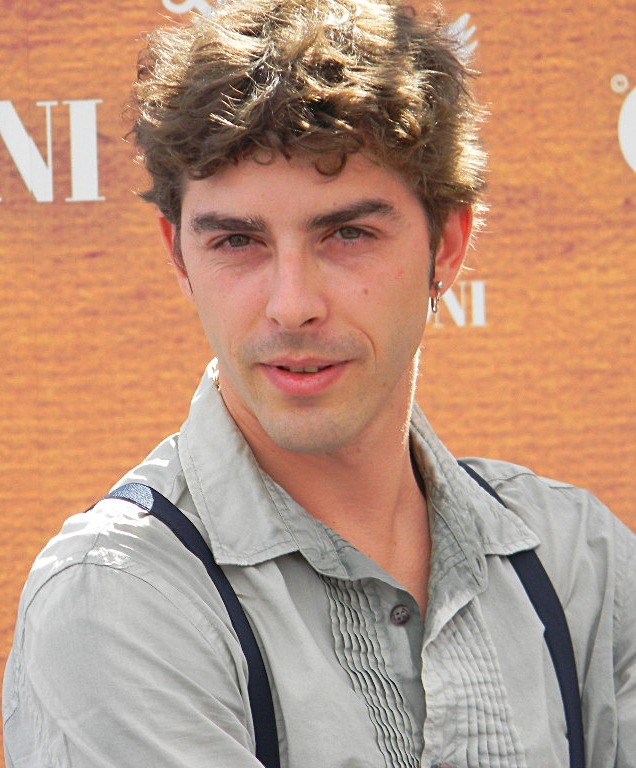
Michele Riondino, born on March 14, 1979, in Taranto, Italy, is a prominent Italian actor known for his versatility and deep commitment to his craft. Over the years, Riondino has established himself as one of the leading figures in contemporary Italian cinema and television. His career, which spans over two decades, is marked by critically acclaimed performances in both film and television, as well as a significant presence in the theater. This article delves into the life, career, and impact of Michele Riondino, exploring the journey of a talented actor who has captivated audiences with his compelling performances.
Early Life and Artistic Beginnings
Michele Riondino grew up in the southern Italian city of Taranto, a place that he has remained deeply connected to throughout his life. From a young age, Riondino was drawn to the arts, particularly music. He learned to play the guitar and, along with a group of friends, formed a band called “La setta dei poeti estinti” (The Dead Poets Society), inspired by the iconic film of the same name. Although his initial foray into the arts was through music, Riondino harbored a passion for acting that would eventually lead him to pursue a career in the theater and on screen.
In pursuit of his dream, Riondino moved to Rome, where he enrolled at the prestigious Accademia d’Arte Drammatica “Silvio D’Amico.” It was here that he honed his acting skills, immersing himself in the study of drama and performance. During his time at the academy, Riondino appeared in several stage productions, including classics such as Samuel Beckett’s “Waiting for Godot” and Sophocles’ “Oedipus Rex.” His dedication to the craft of acting was evident from the start, and upon graduating in 2000, Riondino quickly made a name for himself in the Italian theater scene.
Transition to Film and Television
While Michele Riondino’s roots were in the theater, it wasn’t long before he made the transition to film and television. His television debut came in the popular Italian series “Distretto di Polizia” (Police District), where he played the role of Daniele, the boyfriend of Sabina, portrayed by Giulia Michelini. Riondino’s performance in the series, which ran from 2003 to 2005, earned him recognition and opened the door to more significant roles in both television and film.
In 2008, Riondino made a substantial impact with his role in the film “Il passato è una terra straniera” (The Past is a Foreign Land), directed by Daniele Vicari. The film, based on the novel by Gianrico Carofiglio, saw Riondino portray Francesco, a young man who becomes entangled in a world of gambling and crime. His performance was widely praised for its intensity and emotional depth, marking a turning point in his career and establishing him as a serious actor capable of tackling complex and challenging roles.
Riondino continued to build on this success with roles in films such as “Dieci inverni” (Ten Winters) in 2009, where he starred alongside Isabella Ragonese. The film, which tells the story of a decade-long love affair, showcased Riondino’s ability to convey vulnerability and complexity, further solidifying his reputation as a versatile actor.
Breakthrough Role: The Young Montalbano
One of the most significant roles in Michele Riondino’s career came in 2012 when he was cast as the lead in the television series “Il giovane Montalbano” (The Young Montalbano). The series, a prequel to the immensely popular “Inspector Montalbano” series based on the novels by Andrea Camilleri, follows the early career of the Sicilian detective Salvo Montalbano.
Riondino’s portrayal of the young Montalbano was met with critical acclaim and widespread popularity. He captured the character’s intelligence, wit, and moral integrity, while also bringing a youthful energy and freshness to the role. The success of the series not only introduced Riondino to a broader audience but also cemented his status as one of Italy’s leading television actors. His performance was lauded for staying true to the essence of the character while also offering a new perspective on the beloved detective’s formative years.
Continued Success in Film
While “Il giovane Montalbano” brought Michele Riondino significant fame, he continued to take on diverse and challenging roles in film. In 2010, he appeared in “Noi credevamo” (We Believed), a historical drama directed by Mario Martone. The film, which explores the revolutionary movements in Italy during the 19th century, featured Riondino in the role of Saverio, a young patriot. His performance contributed to the film’s critical success, and “Noi credevamo” went on to win several awards, including the David di Donatello for Best Film.
Riondino’s filmography in the early 2010s is notable for the range of characters he portrayed. In “Henry” (2010), directed by Alessandro Piva, he played Gianni, a man caught in the underworld of drugs and violence. He then took on the role of Silvestro in “Dieci inverni” (2009), a film that spans a decade in the lives of two young people whose paths repeatedly cross. Each of these roles demonstrated Riondino’s ability to immerse himself in his characters, bringing authenticity and nuance to his performances.
In 2012, Riondino appeared in three films: “Gli sfiorati” by Matteo Rovere, “Bella addormentata” by Marco Bellocchio, and “Acciaio” by Stefano Mordini. These films, though varied in genre and tone, further showcased his versatility as an actor. Whether playing a tormented lover, a conflicted son, or a man caught in the grip of societal pressures, Riondino consistently delivered performances that resonated with audiences and critics alike.
Theater and Directorial Debut
Despite his success in film and television, Michele Riondino has never strayed far from his theatrical roots. He continued to perform on stage, bringing his experience and depth of understanding to live performances. His passion for the theater culminated in his directorial debut with the play “La Vertigine del Drago” (The Dragon’s Vertigo), written by Alessandra Mortelliti with text supervision by Andrea Camilleri.
The play, which debuted at the Festival dei Due Mondi in Spoleto, was well-received and marked an important milestone in Riondino’s career. It showcased his ability to not only perform but also to guide and shape a production from behind the scenes. This experience as a director added another dimension to Riondino’s already impressive body of work and demonstrated his commitment to exploring all aspects of the performing arts.
Personal Life and Social Engagement
Michele Riondino is not only known for his work as an actor and director but also for his deep connection to his hometown of Taranto and his commitment to social causes. He has been an active participant in the “Comitato Cittadini e lavoratori liberi e pensanti” (Committee of Free and Thinking Citizens and Workers), a group dedicated to addressing the environmental and health issues caused by industrial pollution in Taranto.
In addition to his social activism, Riondino has maintained his love for music. Since 2012, he has served as the artistic director of the May Day Concert in Taranto, alongside musician Roy Paci. This annual event, which draws thousands of attendees, is not only a celebration of music but also a platform for raising awareness about social and environmental issues.
On a personal note, Riondino is a father to a daughter named Frida, born from his relationship with makeup artist Eva Nestori. The couple chose the name Frida in honor of the iconic Mexican painter Frida Kahlo, reflecting their shared appreciation for art and culture.
Recent Work and Ongoing Projects
In recent years, Michele Riondino has continued to take on a variety of roles in both film and television. In 2015, he starred as Pietro Mennea, the legendary Italian sprinter, in the biographical miniseries “Pietro Mennea: La freccia del Sud” (Pietro Mennea: The Arrow of the South), directed by Ricky Tognazzi. The role required Riondino to undergo intense physical training to convincingly portray the athlete, and his dedication to the role was evident in the authenticity of his performance.
In 2016, Riondino appeared in the film “La ragazza del mondo” (Worldly Girl), where he played a man whose life is turned upside down by a chance encounter with a Jehovah’s Witness. The film explored themes of faith, love, and personal freedom, and Riondino’s performance was praised for its emotional depth and sincerity.
His more recent projects include “Maraviglioso Boccaccio” (2015) by the Taviani brothers, where he played Guiscardo, and “Senza lasciare traccia” (2016) by Gianclaudio Cappai, where he took on the role of Bruno. These films, along with his ongoing work in theater, highlight Riondino’s commitment to challenging himself as an actor and exploring new territories in his craft.
Legacy and Influence
Michele Riondino’s career is a testament to his talent, versatility, and dedication to his craft. From his early days on the stage to his breakout role as the young Montalbano, Riondino has consistently demonstrated his ability to bring complex characters to life. His work has not only entertained audiences but also provoked thought and discussion on a range of social and political issues.
As an actor, director, and activist, Riondino has made a significant impact on Italian cinema and television. His commitment to social causes, particularly in his hometown of Taranto, further underscores his dedication to using his platform for positive change. As he continues to take on new challenges in his career, Michele Riondino remains a vital and influential figure in the world of Italian performing arts.


