
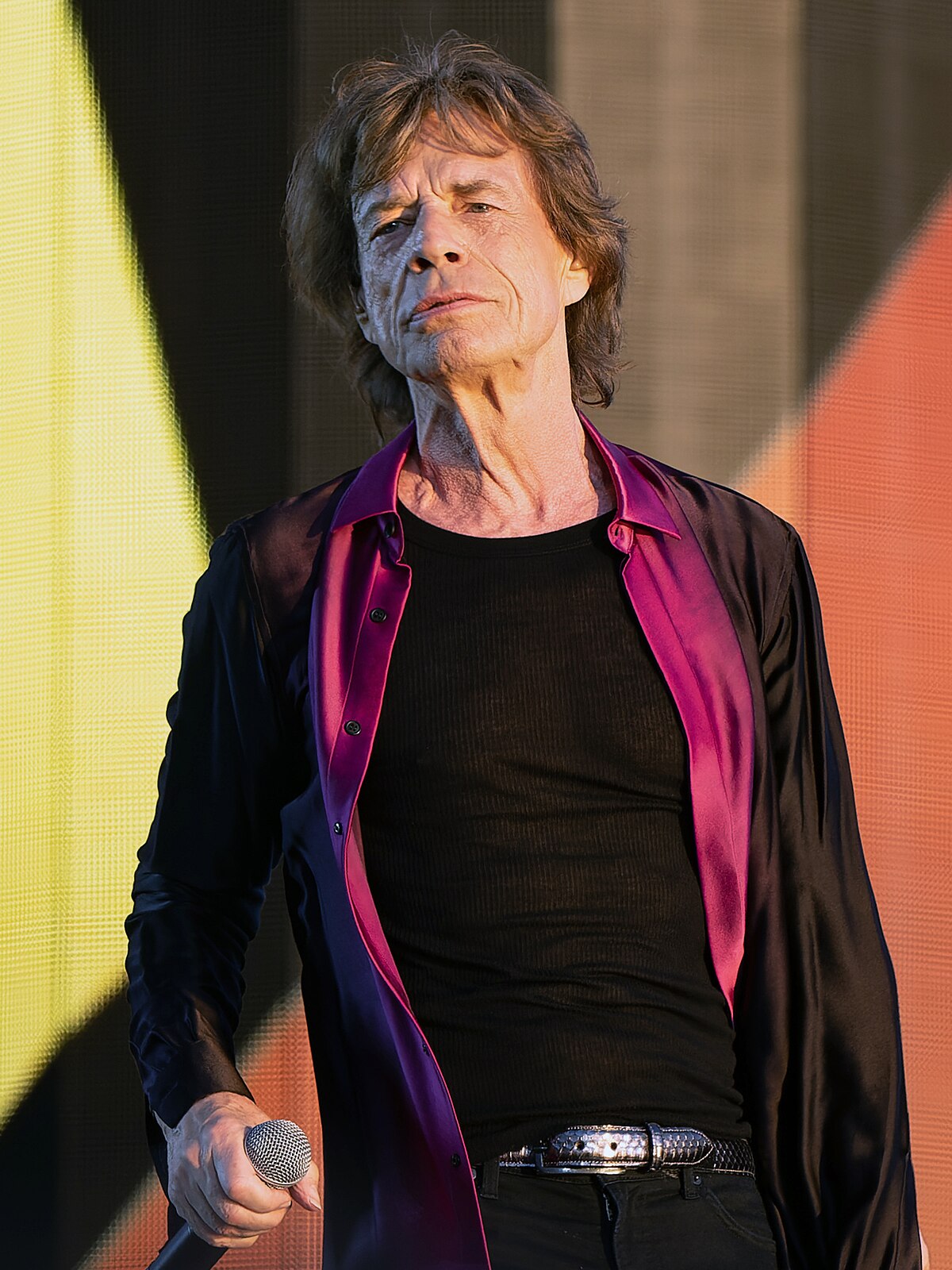
Mick Jagger, a name synonymous with rock ‘n’ roll, has been a towering figure in the music industry for over six decades. As the frontman of the Rolling Stones, his influence on music, culture, and style is unparalleled. Born on July 26, 1943, in Dartford, England, Mick Jagger’s life is a testament to the power of music, charisma, and resilience.
Early Life and the Formation of the Rolling Stones
Mick Jagger’s early life was relatively unremarkable, yet it laid the foundation for what would become one of the most influential careers in music history. He met Keith Richards, the future guitarist of the Rolling Stones, during their early school years. This meeting was more than just a chance encounter; it was the beginning of a partnership that would shape the course of rock music. Although they lost touch for a few years, their shared passion for music rekindled their friendship in their late teens, leading to the formation of the Rolling Stones.
In the early 1960s, as rock ‘n’ roll was gaining popularity, Jagger and Richards formed the band alongside Brian Jones, Charlie Watts, and Bill Wyman. The Rolling Stones quickly distinguished themselves from their contemporaries with a sound deeply rooted in blues and rhythm and blues, a stark contrast to the pop-centric music of the Beatles, their main rivals at the time. This difference in musical style set the stage for what would become a lifelong rivalry between the two bands, both vying for dominance in the global music scene.
The Rise to Fame: 1960s and 1970s
The Rolling Stones’ rise to fame was meteoric. Their early hits, such as “Satisfaction,” “Paint It Black,” and “Jumpin’ Jack Flash,” not only topped the charts but also became anthems of a generation. These songs, characterized by their raw energy, rebellious lyrics, and Jagger’s charismatic delivery, captured the spirit of the 1960s—a time of social upheaval, cultural revolution, and the emergence of youth as a powerful force in society.
Jagger’s stage presence was another key factor in the band’s success. His unique style—marked by his signature dance moves, provocative performances, and undeniable sex appeal—made him an icon of the era. He embodied the rock ‘n’ roll ethos of rebellion and freedom, becoming a symbol of counterculture movements across the world.
The 1970s saw the Rolling Stones solidify their status as rock legends. Albums like Beggar’s Banquet (1968), Let It Bleed (1969), and Exile on Main St. (1972) are now considered classics, influencing countless artists across various genres. These albums were not just collections of songs; they were cultural milestones that reflected the complexities and contradictions of the times. Themes of love, loss, politics, and existential angst permeated their music, resonating deeply with audiences worldwide.
However, the band’s success was not without its challenges. The lifestyle that came with fame—marked by excessive drug use, volatile relationships, and constant touring—began to take its toll. Brian Jones, one of the founding members, tragically died in 1969, a loss that shook the band and its fans. Despite this, the Rolling Stones persevered, continuing to produce music and tour, driven by Jagger’s relentless ambition and vision.
Solo Ventures and the 1980s Crisis
The 1980s were a tumultuous period for Mick Jagger and the Rolling Stones. The decade began with growing tensions between Jagger and Richards, exacerbated by the latter’s increasing heroin addiction. This period of discord led to a temporary split, with Jagger pursuing a solo career while Richards struggled with his demons.
Jagger’s solo ventures, which leaned more towards pop and dance music, were met with mixed reviews. While he enjoyed some success, it was clear that his true strength lay in the rock genre, particularly within the dynamic of the Rolling Stones. Albums like She’s the Boss (1985) and Primitive Cool (1987) showcased Jagger’s versatility as an artist, but they lacked the raw energy and authenticity that had defined his work with the Stones.
The rift between Jagger and Richards reached its peak during this time, leading many to speculate that the Rolling Stones were on the brink of disbanding. However, the band managed to pull through, largely due to the success of their 1989 album Steel Wheels and the subsequent tour. This period marked a new chapter for the Rolling Stones, as they transitioned from rebellious rock stars to elder statesmen of rock, revered by fans and critics alike.
Acting Career and Other Ventures
In addition to his music career, Mick Jagger has also dabbled in acting. His filmography includes roles in movies like Performance (1970), Freejack (1992), and The Man from Elysian Fields (2001). While his acting career never reached the heights of his music, it allowed Jagger to explore another creative outlet and further cement his status as a multifaceted entertainer.
Jagger’s influence extends beyond music and film. He has been involved in various business ventures, including film production and a record label. His keen sense of business acumen has helped him navigate the often treacherous waters of the entertainment industry, ensuring his relevance across multiple decades.
Personal Life: Love, Loss, and Legacy
Mick Jagger’s personal life has been as eventful as his professional one. Known for his numerous relationships, Jagger has been linked with many high-profile women, including Marianne Faithfull, Bianca Jagger, and Jerry Hall. He has eight children with five different women, making him a father, grandfather, and even a great-grandfather. Despite his rock ‘n’ roll lifestyle, Jagger has maintained strong relationships with his children, often being seen as a loving and supportive father.
One of the most tragic events in Jagger’s life was the death of his partner, L’Wren Scott, in 2014. Scott, a fashion designer and former model, took her own life, leaving Jagger devastated. This loss was a stark reminder of the personal toll that fame can take, even on those who seem to have it all.
In contrast to his younger, wilder years, Jagger has embraced a more introspective and quieter life in recent years. He was knighted in 2003, becoming Sir Mick Jagger—a title that reflects his contributions to music and culture. Despite this, he has never fully shed his rebellious image, continuing to perform with the same energy and passion that defined his early career.
Mick Jagger Today: The Enduring Legacy
As of today, Mick Jagger remains an active figure in the music world. Despite being in his 80s, he continues to tour and perform with the Rolling Stones, defying the conventional limits of age in the music industry. His enduring energy and commitment to his craft have made him a role model for younger generations of musicians.
Jagger’s legacy is not just his music but also the way he has lived his life—on his terms, unapologetically. He has navigated the highs and lows of fame with resilience, continually reinventing himself while staying true to his roots. His story is one of passion, perseverance, and the unrelenting pursuit of excellence.
Conclusion
Mick Jagger’s life is a compelling narrative of ambition, talent, and the complexities of fame. From his early days in Dartford to his status as a global rock icon, Jagger has consistently pushed the boundaries of what it means to be a rock star. His contributions to music, culture, and fashion are immeasurable, making him a true legend of our time.
As we look back on his life and career, it is clear that Mick Jagger’s impact on the world will be felt for generations to come. His journey is a reminder of the transformative power of music and the indomitable spirit of those who dare to dream.


