
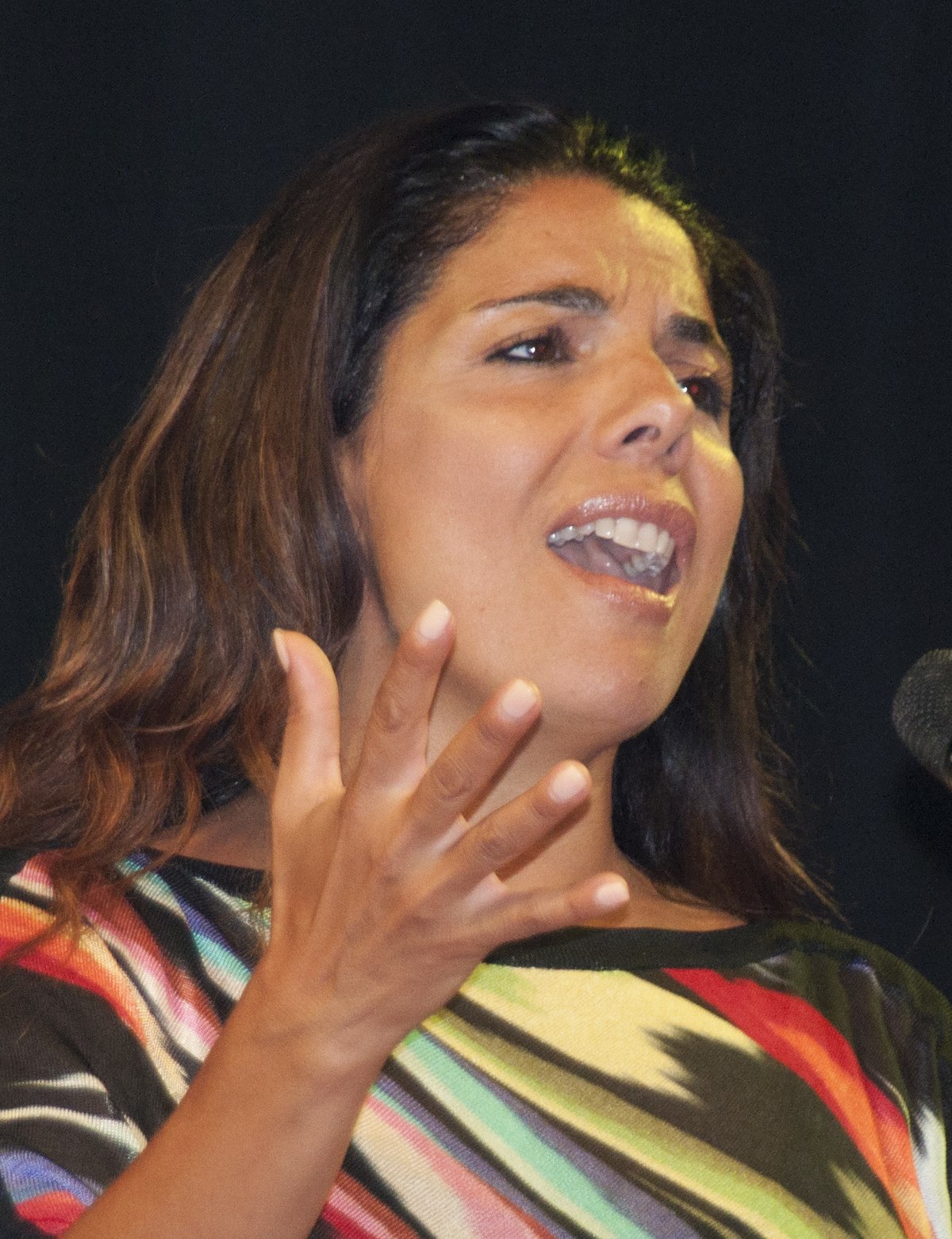
Mietta, born Daniela Miglietta on November 12, 1969, in Taranto, Italy, is an iconic figure in the Italian music scene. Over the decades, she has captivated audiences with her soulful voice, compelling performances, and a career that spans music, film, and television. This article delves into the life of Mietta, her journey to fame, and the highlights that have defined her career.
Early Life and Beginnings
Mietta’s journey in the entertainment industry began in 1987, not as a singer, but as an actress in the radio drama “Nasce una stella,” a radio soap opera with around 240 episodes for Rai, the Italian public broadcaster. This early experience in acting laid the foundation for her subsequent entry into the music industry.
In 1988, Mietta made her musical debut at the prestigious Festival di Sanremo, Italy’s most important music competition, with the song “Sogno,” written by Claudio Mattone. This marked the beginning of her successful career in music. A year later, she returned to Sanremo, this time winning the New Proposals category with the song “Canzoni,” penned by Amedeo Minghi. The song sold over 100,000 copies, earning her a platinum disc and the critical acclaim that would follow her throughout her career.
Rise to Fame: The 1990s
The 1990s were a defining decade for Mietta, during which she solidified her position as one of Italy’s leading female artists. In 1990, she achieved third place at the Festival di Sanremo with “Vattene amore,” a duet with Amedeo Minghi. The song was a massive success, selling over 300,000 copies and earning three platinum discs. That same year, her debut album “Canzoni” was released in Europe, selling over 600,000 copies and receiving six platinum discs. The album’s success further cemented her reputation, earning her two Telegatti d’Oro awards: one for “Vattene amore” and another for Best Female Interpreter of the Year.
Mietta continued to release successful albums and singles throughout the early 1990s, with hits like “Dubbi no,” which earned her a gold disc, and “Volano le pagine,” which featured collaborations with notable artists such as Mango and Biagio Antonacci. Her music was characterized by a blend of pop, soul, and traditional Italian melodies, which resonated deeply with her audience.
In 1992, she released the album “Lasciamoci respirare,” recorded in London with American musicians, including Geoff Westley. This album marked a shift in her musical style, as Mietta began to experiment with songwriting. She co-wrote tracks like “Vivrò vivrai vivremo noi” and “Donna del sud,” showcasing her versatility as an artist. The album’s title track, written by Biagio Antonacci, was a hit, and the accompanying music videos, featuring actor and model Brando Giorgi, further elevated her profile.
Mietta’s success continued with her participation in the 1993 Sanremo Festival, where she performed “Figli di chi,” a song written by Nek, alongside the group I Ragazzi di Via Meda. Her 1994 album “Cambia pelle” represented a bold departure from her earlier work, incorporating funk, blues, and hip-hop elements. This album, which featured contributions from artists like Gatto Panceri and Scarlett Von Wollenmann, was another commercial success, earning a gold disc and dominating radio airplay with singles like “Fuori da te.”
Throughout the mid-1990s, Mietta continued to evolve as an artist. Her 1995 album “Daniela è felice” blended trip-hop, soul, and hip-hop influences, produced by Michele Centonze. The album included a cover of Bill Withers’ “Lover Man” and received critical acclaim, with the music video for “Oggi Dani è più felice” winning an award in England for Best Foreign Video.
Diversification: Acting and Voice Acting
In addition to her music career, Mietta explored acting and voice acting in the mid-1990s. In 1996, she provided the voice for Esmeralda in the Italian version of Disney’s animated film “The Hunchback of Notre Dame,” also performing the soundtrack song “Dio fa qualcosa.” Her foray into acting included appearances in popular Italian TV series such as “La piovra 8” (1997) and “L’ispettore Giusti” (1999). These roles demonstrated Mietta’s versatility and expanded her appeal beyond the music industry.
Continuing Success: The 2000s
The new millennium saw Mietta releasing her first greatest hits compilation, “Tutto o niente” (2000), which included the Sanremo entry “Fare l’amore” by Mango and a cover of Shalamar’s “Ancora insieme a te.” The album achieved platinum status, reaffirming Mietta’s enduring popularity.
In 2003, she released the album “Per esempio… per amore,” which featured electro-pop and Arabic-inspired sounds, created in collaboration with the Mango brothers. The album’s lead single “Shisa” was released a year earlier, offering a glimpse of Mietta’s evolving musical style. The album also included a reinterpretation of “Sentirti,” a song by Mango previously performed by Patty Pravo in the 1970s.
Mietta continued to participate in the Festival di Sanremo, performing the duet “Cuore” with Morris Albert in 2004. She also ventured into reality television, competing in the show “Music Farm” in 2005. Her participation in these shows kept her in the public eye, allowing her to connect with a new generation of fans.
Her 2006 album “74100,” named after the postal code of her hometown Taranto, saw her shift towards a pop-rock sound. The album featured collaborations with a diverse array of artists, including Neffa, Mario Venuti, Mariella Nava, and Renato Zero. The album’s lead single “Il Fiore” was well-received, and the album included two standout ballads, “Dopo di me” and “Resta qui.”
Mietta in the 2020s
In the 2020s, Mietta continued to remain active in the entertainment industry. In 2021, she participated in the Italian television show “Ballando con le stelle,” the Italian version of “Dancing with the Stars.” However, her participation was cut short when she tested positive for COVID-19 after just one episode. This incident sparked controversy, particularly when one of the show’s judges, Selvaggia Lucarelli, questioned Mietta about her vaccination status, to which Mietta later revealed that she had not been vaccinated due to health reasons.
Despite the challenges, Mietta’s legacy as a versatile and enduring artist remains intact. Her contributions to Italian music, film, and television have made her a beloved figure in Italian culture, and her ability to adapt and evolve as an artist continues to inspire new generations.
Discography Highlights
Mietta’s discography is a testament to her versatility and staying power in the music industry. Some of her most notable albums include:
- Canzoni (1990): Her debut album, a commercial success with over 600,000 copies sold.
- Volano le pagine (1991): Featuring hits like “Dubbi no,” this album solidified her status as a leading artist.
- Lasciamoci respirare (1992): A stylistic shift with contributions from international musicians.
- Cambia pelle (1994): An exploration of funk, blues, and hip-hop influences.
- Daniela è felice (1995): A critically acclaimed album blending trip-hop, soul, and hip-hop.
- Tutto o niente (2000): Her first greatest hits compilation, achieving platinum status.
Mietta’s journey is a remarkable story of talent, resilience, and adaptability. From her early days as a radio actress to becoming a household name in Italian music and beyond, Mietta’s career has been marked by a series of bold artistic choices and a deep connection with her audience. Her legacy as an artist is not just defined by her music, but also by her ability to constantly reinvent herself and stay relevant in a rapidly changing industry.


