
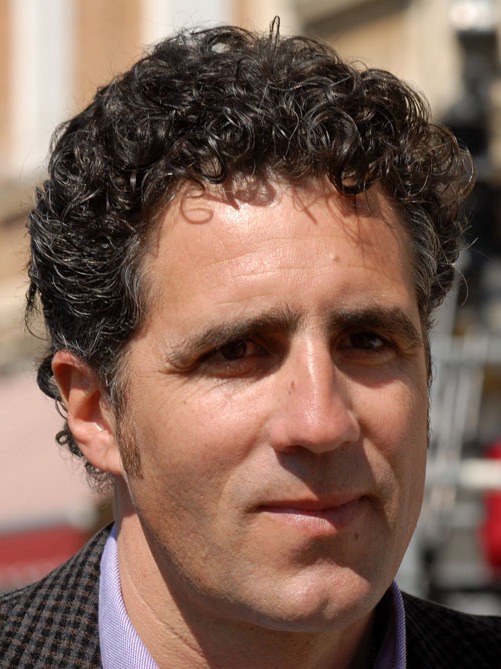
Miguel Indurain, a name synonymous with excellence in competitive cycling, stands as one of the greatest athletes of his generation. Known for his remarkable achievements in the sport, including multiple victories in the Tour de France, Indurain’s career offers a fascinating insight into the world of professional cycling and the relentless pursuit of athletic excellence. This comprehensive overview explores Indurain’s life, career, and enduring legacy, providing detailed insights and context to understand his impact on the sport.
Early Life and Background
Miguel Indurain was born on July 16, 1964, in Villava, a small town in the Navarre region of Spain. From a young age, Indurain exhibited a keen interest in cycling, influenced by the vibrant cycling culture in his hometown. Growing up in a region known for its challenging terrain and enthusiastic cycling community, Indurain’s early experiences laid a solid foundation for his future success in the sport.
He began his competitive cycling career in local races and quickly demonstrated his potential. His natural talent, combined with rigorous training and an unwavering commitment to the sport, set him on a path to become one of cycling’s most celebrated figures.
Professional Cycling Career
Early Career and Breakthrough
Indurain’s professional career began in the mid-1980s when he joined the Reynolds cycling team. His early years in the sport were marked by steady progress and promising performances. His breakthrough came in 1991 when he won the Giro d’Italia, marking his arrival as a major contender in professional cycling. This victory was a precursor to what would become a dominant era in his career.
Tour de France Dominance
Miguel Indurain’s most notable achievements came during his reign as a dominant force in the Tour de France. Between 1991 and 1995, Indurain won the prestigious race five consecutive times, an extraordinary feat that cemented his place in cycling history. His victories were characterized by a combination of exceptional time-trialling skills, endurance, and tactical acumen.
One of his most memorable victories was in the 1996 Tour de France, where he showcased his strategic prowess and physical prowess. His ability to excel in both time trials and mountain stages set him apart from his competitors, making him a formidable and versatile rider.
Other Major Achievements
Beyond his Tour de France successes, Indurain’s career includes numerous other significant victories. He won the Giro d’Italia twice more (in 1992 and 1993) and secured victories in various one-day races and stage races throughout Europe. His achievements extended to the Olympics, where he won the gold medal in the individual time trial at the 1996 Atlanta Games.
Retirement and Legacy
Miguel Indurain retired from professional cycling in 1996, leaving behind a legacy of unparalleled success and sportsmanship. His retirement marked the end of an era in competitive cycling, but his influence and contributions to the sport continue to be felt.
Legacy in Cycling
Indurain’s impact on cycling extends beyond his victories. He is widely regarded as one of the greatest time-trialists in the history of the sport, and his approach to training and race strategy has been studied and emulated by many cyclists. His physical prowess, combined with his tactical intelligence, set new standards for excellence in cycling.
His legacy is also reflected in the admiration and respect he garnered from peers and fans alike. Indurain’s sportsmanship and dedication to the sport have made him a respected figure both in Spain and internationally. He is often cited as an inspiration for young cyclists aspiring to reach the highest levels of the sport.
Post-Retirement Activities
After retiring from competitive cycling, Indurain has remained active in the cycling community. He has been involved in various charitable initiatives and has worked as a cycling commentator and ambassador. His contributions to the sport continue to influence and inspire future generations of cyclists.
Historical and Cultural Context
To fully appreciate Miguel Indurain’s achievements, it is essential to consider the historical and cultural context of his career. The early 1990s was a period of significant change in professional cycling, with increasing globalization and commercialization of the sport. Indurain’s dominance came during a time when cycling was gaining global recognition and expanding its audience.
His success in the Tour de France, a race with a rich history and significant cultural importance, elevated the profile of cycling in Spain and worldwide. Indurain’s victories helped to spotlight the sport on the global stage, contributing to its growing popularity and influence.
Conclusion
Miguel Indurain’s career represents a remarkable chapter in the history of competitive cycling. His exceptional achievements, characterized by multiple Tour de France victories and a commitment to excellence, have left an enduring legacy in the sport. Understanding Indurain’s life and career offers valuable insights into the world of professional cycling and the dedication required to reach the pinnacle of athletic success.
SEO and Keyword Optimization
To ensure this article is optimized for search engines, the following keywords and phrases will be integrated throughout the text:
- Miguel Indurain
- Tour de France
- Professional cycling
- Giro d’Italia
- Cycling achievements
- Time-trial champion
- Spanish cyclist
Incorporating these keywords effectively will align the article with search intent and enhance its visibility on search engines, ensuring that it reaches a broad audience interested in cycling and sports history.


