
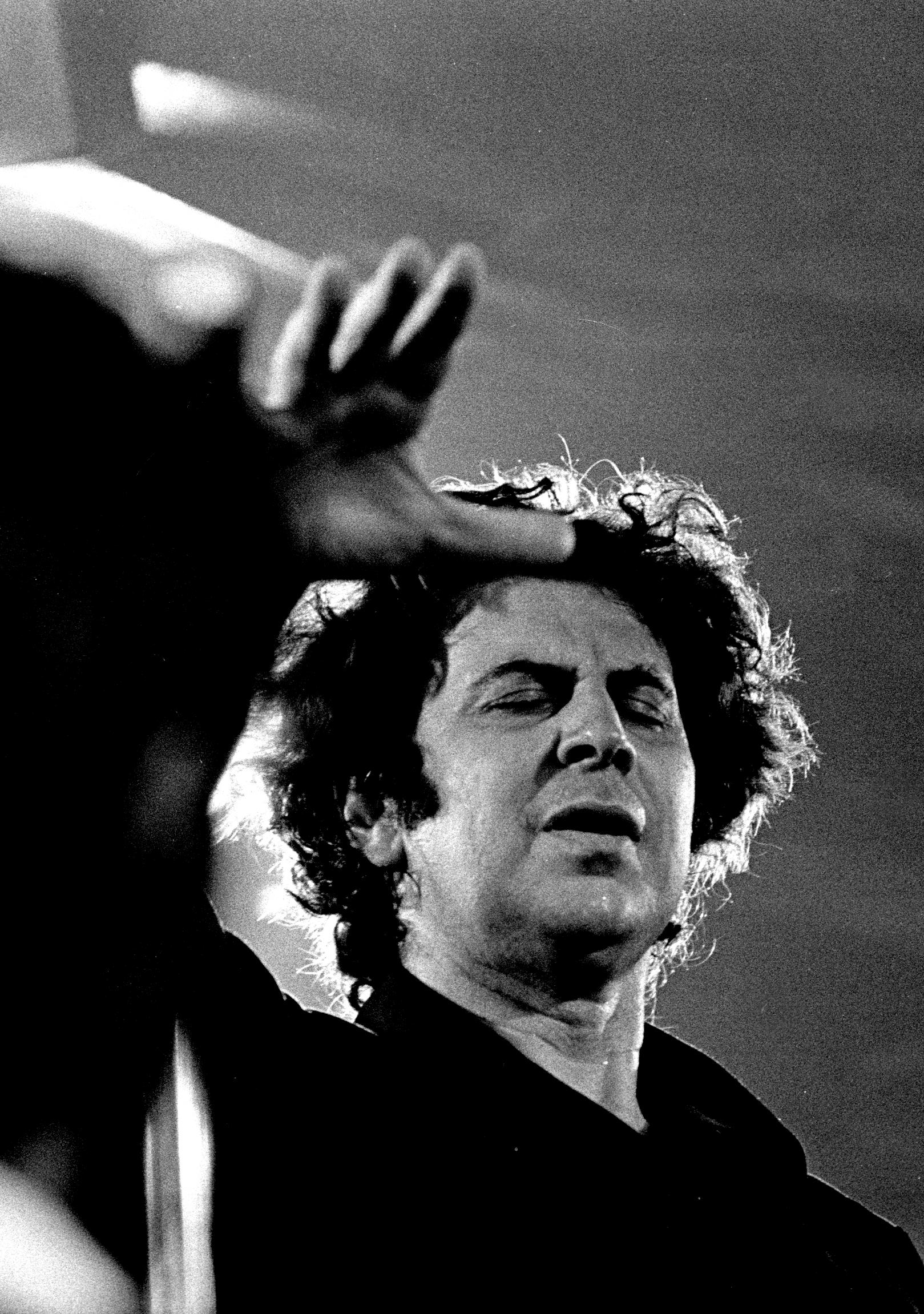
Mikis Theodorakis, born on July 29, 1925, on the Greek island of Chios, stands as one of the most influential and revered figures in modern Greek music and culture. Over the course of his long and storied life, Theodorakis not only composed some of the most iconic music of the 20th century but also emerged as a symbol of resistance and national identity for Greece. His contributions to music, politics, and culture have left an indelible mark, not only in Greece but across the world.
Early Life and Musical Beginnings
Mikis Theodorakis was born into a family with roots in Crete and Asia Minor, two regions deeply steeped in the rich cultural and historical traditions of Greece. His early years were characterized by frequent relocations due to his father’s work as a civil servant, which took the family to various parts of the Greek mainland and the Aegean islands. These experiences exposed the young Theodorakis to the diverse musical traditions of Greece, from Byzantine hymns to folk songs, which would later influence his own compositions.
Theodorakis showed an early interest in music, composing his first songs by the age of 12. His formal music education began in Athens during the harsh years of the Axis occupation of Greece in World War II. It was also during this time that Theodorakis became politically active, joining the Greek Resistance against the Nazi occupation. His involvement in the Resistance, which included participating in protests and facing imprisonment and torture, profoundly shaped his worldview and his music, infusing his work with themes of struggle, freedom, and justice.
The Post-War Years and Early Compositions
After the war, Greece was plunged into a brutal civil war (1946-1949) between government forces and communist insurgents. Theodorakis, who had aligned himself with the left-wing resistance during the occupation, continued to be involved in political activism, which led to further arrests and internment in notorious prison camps such as Makronisos. Despite the hardships, Theodorakis never abandoned his passion for music. He continued to compose, drawing inspiration from both his personal experiences and the broader social and political landscape of Greece.
In the early 1950s, Theodorakis completed his studies at the Athens Conservatory and then moved to Paris on a scholarship to study composition. In Paris, he studied under the renowned composers Olivier Messiaen and Eugène Bigot at the Paris Conservatory. During this period, Theodorakis composed several symphonic works, ballets, and film scores, which began to earn him international recognition. However, it was his return to Greece in the 1960s and his engagement with Greek popular music that would define his legacy.
The 1960s: A Cultural Renaissance
The 1960s were a period of significant cultural and political activity for Theodorakis. Upon his return to Greece, he became a central figure in the country’s artistic and cultural renaissance. He began to compose music that combined elements of Greek folk music with classical forms, creating a new genre that resonated deeply with the Greek public. His work during this period was heavily influenced by his collaborations with leading Greek poets, such as Yannis Ritsos and Odysseas Elytis, whose works he set to music.
One of Theodorakis’s most significant contributions to Greek music was the composition of Epitafios in 1960, based on a poem by Yannis Ritsos. This work marked a turning point in Greek music, as it fused the traditional sounds of Greek folk music with modern orchestration, bringing poetry and music to the forefront of the cultural consciousness. Epitafios became an anthem of the working class and a symbol of resistance, solidifying Theodorakis’s role as a cultural leader.
In 1964, Theodorakis composed the score for the film Zorba the Greek, directed by Michael Cacoyannis. The film, and particularly its music, became an international sensation, with the “Zorba’s Dance” (also known as “Sirtaki”) becoming synonymous with Greek culture worldwide. The success of Zorba the Greek catapulted Theodorakis to global fame and established him as one of the leading composers of his time.
Political Turmoil and Exile
The late 1960s and early 1970s were a turbulent period in Greek history, marked by the rise of the military junta that ruled Greece from 1967 to 1974. Theodorakis, who was a vocal opponent of the junta, became a symbol of resistance against the dictatorship. His music was banned, and he was arrested and imprisoned multiple times. Despite the repression, Theodorakis continued to compose and smuggle his music out of Greece, where it was embraced by anti-junta activists and supporters of democracy worldwide.
In 1970, after years of imprisonment and house arrest, Theodorakis was released due to international pressure and went into exile. During his years in exile, he continued to compose and perform, using his music as a means of raising awareness about the plight of Greece under the dictatorship. His works from this period, including the Canto General (based on the poems of Pablo Neruda) and the oratorio Axion Esti (based on the poem by Odysseas Elytis), are considered some of his most powerful and enduring compositions.
Return to Greece and Continued Activism
With the fall of the military junta in 1974, Theodorakis returned to Greece, where he was greeted as a national hero. His return marked the beginning of a new era in Greek music and culture, as Theodorakis continued to compose and perform, now with the freedom to fully express his artistic and political vision.
In the years following his return, Theodorakis remained an active figure in Greek politics and culture. He was elected to the Greek Parliament several times and continued to advocate for human rights, social justice, and peace. His music continued to evolve, incorporating new influences and addressing contemporary issues, while always remaining deeply rooted in Greek tradition.
Theodorakis’s influence extended beyond Greece, as he became a global ambassador for Greek culture and a symbol of resistance against oppression. His music, which has been performed by countless artists around the world, has transcended national boundaries and continues to inspire people of all ages and backgrounds.
Legacy and Impact
Mikis Theodorakis passed away on September 2, 2021, at the age of 96, leaving behind a legacy that is unparalleled in the world of music and culture. His contributions to Greek music, both popular and classical, have left an indelible mark on the cultural landscape of Greece and the world. Theodorakis’s work is celebrated not only for its artistic excellence but also for its deep connection to the social and political struggles of his time.
Throughout his life, Theodorakis remained committed to the idea that music could be a force for change. His compositions, whether symphonies, film scores, or popular songs, were always infused with a sense of purpose and a desire to speak to the human condition. He believed in the power of music to unite people, to heal wounds, and to inspire hope, a belief that is evident in every note he wrote.
In addition to his musical achievements, Theodorakis was a prolific writer and thinker, authoring numerous books, essays, and articles on a wide range of topics, from music and politics to philosophy and culture. His intellectual contributions have enriched the cultural discourse in Greece and beyond, offering insights into the complex interplay between art, society, and politics.
Conclusion
Mikis Theodorakis’s life and work embody the spirit of resilience, creativity, and dedication to the pursuit of justice. As a composer, he broke down barriers and expanded the boundaries of music, blending classical and popular forms to create a uniquely Greek sound that resonated with audiences around the world. As a political activist, he stood as a symbol of resistance against tyranny and a champion of human rights.
Theodorakis’s legacy continues to live on through his music, which remains as relevant today as it was when it was first composed. His compositions have become an integral part of the Greek cultural identity, and his influence can be seen in the work of countless artists who have been inspired by his vision. As the world continues to face challenges and uncertainties, the music and message of Mikis Theodorakis serve as a reminder of the power of art to inspire change and to bring people together in the pursuit of a better future.


