
Introduction
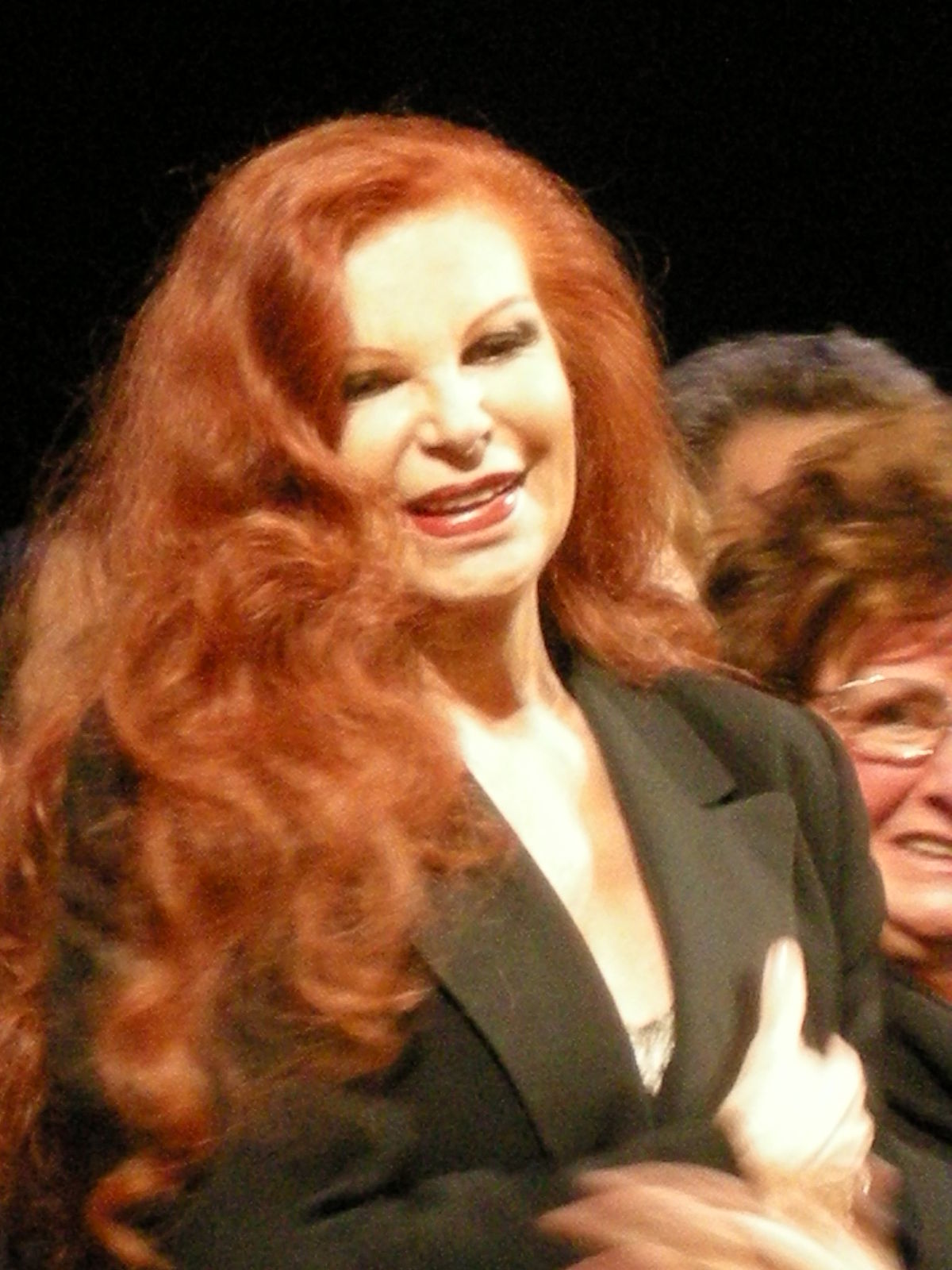
Milva, born Maria Ilva Biolcati on July 17, 1939, in Goro, Italy, is a towering figure in Italian music and theater. Affectionately known as “La Pantera di Goro,” her career has spanned over five decades, marking her as one of Italy’s most versatile and celebrated performers. From her early days in local clubs to international acclaim, Milva’s journey reflects a remarkable blend of artistic brilliance and resilience.
Early Life and Career Beginnings
Milva’s musical journey began in her hometown, a small village near the Po River delta. Her initial foray into the world of entertainment came with the stage name Sabrina, performing in nightclubs in Bologna after relocating there with her family in 1955. Her breakthrough came in 1959 when she won a RAI (Italian Radio and Television) competition for new voices, which set the stage for her burgeoning career.
Rise to Prominence
In 1961, Milva made a significant mark on the Italian music scene with her debut at the Sanremo Music Festival, where she secured third place with the song “Il mare nel cassetto.” This performance highlighted her exceptional vocal talent and established her as a rising star. Despite some controversies, including a famous spat with Betty Curtis and unfulfilled expectations in subsequent Sanremo festivals, Milva remained a prominent fixture in Italian music, continually engaging with audiences through numerous appearances over the next decade.
Expansion into Film and International Success
Milva’s artistic range extended beyond music into film and theater. Her cinematic debut came in 1961 with “La bellezza d’Ippolita,” where her presence was somewhat overshadowed by her co-star, Gina Lollobrigida. However, this did not deter her from pursuing other avenues of expression. By 1962, she was performing internationally, including a notable appearance at the Olympia in Paris, further cementing her reputation.
Theatrical Ventures and Brechtian Influence
The mid-1960s marked a significant shift in Milva’s career as she ventured into theater, collaborating with renowned director Giorgio Strehler. Her performances in Brechtian theater, particularly the 1967 recital “Io, Bertolt Brecht,” showcased her versatility and commitment to serious, avant-garde art forms. Strehler’s influence played a crucial role in refining her theatrical approach, allowing her to gain recognition in Germany and beyond.
Musical and Cultural Impact
Milva’s contributions to music and theater were not limited to Italian audiences. Her foray into Greek music with Mikis Theodorakis in 1978 exemplified her willingness to explore diverse musical traditions. This collaboration led to critical acclaim and a platinum record in Germany. Moreover, her work with Luciano Berio, particularly in the opera “La Vera Storia,” illustrated her ability to blend different musical and literary styles, enhancing her international reputation.
Awards and Recognitions
Throughout her career, Milva received numerous accolades. In 2006, she was honored with the prestigious title of Ufficiale dell’Ordine al Merito della Repubblica Federale di Germania for her extraordinary performances in Brecht and Weill’s works. Later, in 2009, she was awarded the Cavaliere della Legion d’Onore, further acknowledging her impact on the global cultural scene.
Later Career and Legacy
In the 2010s, Milva’s career saw both triumphs and challenges. Her 2010 album, “Non conosco nessun Patrizio,” was a commercial success, marking her continued relevance in the music industry. However, she also announced her retirement from live performances due to health issues. Despite this, she returned to theater in 2011, demonstrating her enduring commitment to her craft.
Milva’s legacy is not just in her music and performances but also in her ability to transcend genres and languages. Her work with renowned composers and directors, her extensive discography, and her role in bringing complex, culturally rich performances to a broader audience reflect her remarkable career.
Personal Life
Milva’s personal life, while often private, includes significant relationships that influenced her career. Her marriage to Maurizio Corgnati in 1961 was notable, and their daughter, Martina Corgnati, has been a part of her life’s journey. Following her separation from Corgnati, Milva had a notable relationship with Mario Piave and spoke about a “platonic marriage” with her last companion.
Conclusion
Milva’s death on April 23, 2021, at the age of 81, marked the end of an era for Italian music and theater. Her extensive career, marked by significant achievements and a profound impact on various art forms, ensures her place as a cultural icon. Her contributions have left an indelible mark on the global artistic landscape, embodying a career of extraordinary depth and breadth.


