
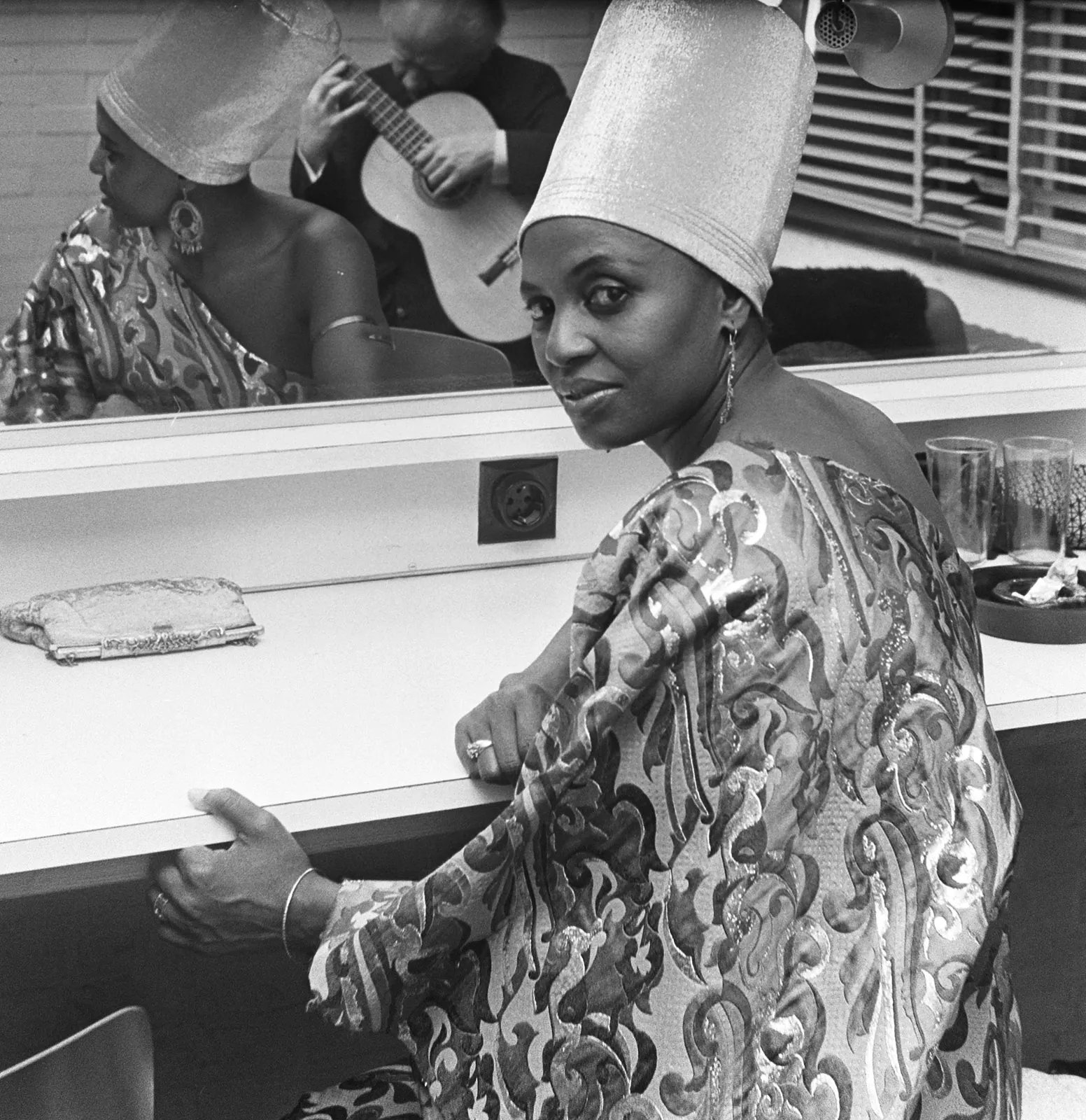
Miriam Makeba, fondly known as “Mama Afrika,” was not only a gifted singer but also a powerful voice against racial discrimination and apartheid in South Africa. Born on March 4, 1932, in Johannesburg, Makeba’s life was one of profound resilience, dedication to her people, and a deep commitment to justice and freedom. Her story is one of struggle, triumph, and a relentless fight for human dignity, which reverberates through her music and activism. This article delves into the rich tapestry of Miriam Makeba’s life, highlighting her journey from a young girl in apartheid-era South Africa to an international symbol of resistance and cultural pride.
Early Life: Growing Up Under Apartheid
Miriam Makeba was born in Prospect Township, a segregated area of Johannesburg. Her upbringing in a society deeply divided by race profoundly influenced her worldview and artistic expression. The harsh realities of apartheid were a constant presence in her life from the very beginning. Her mother was a sangoma, a traditional healer, while her father passed away when she was just six years old. These early experiences shaped Makeba’s understanding of the world and instilled in her a strong sense of identity and resilience.
Despite the oppressive conditions, Makeba found solace in music. She started singing in her church choir, where her extraordinary voice was soon noticed. Music became her means of expressing the pain, hope, and struggles of her people. Her talent was undeniable, and it wasn’t long before she began to make a name for herself in South Africa’s vibrant, yet segregated, music scene.
The Rise to Fame: A Voice That Couldn’t Be Silenced
Miriam Makeba’s breakthrough came in the 1950s when she joined the Manhattan Brothers, a popular South African jazz group. Her blend of traditional African music with jazz and blues caught the attention of many, and she quickly became a star in her own right. The success with the Manhattan Brothers led to her forming her group, the Skylarks, which further propelled her into the spotlight.
Her song “Pata Pata,” recorded in 1957, became a massive hit, not only in South Africa but eventually around the world. The song’s infectious rhythm and Makeba’s distinctive voice made it an anthem of joy and resilience, transcending cultural and geographical boundaries. However, Makeba’s rise to fame was not without its challenges. Her music, deeply rooted in the experiences of black South Africans, was often seen as a threat by the apartheid regime.
Exile and International Success
In 1959, Miriam Makeba starred in the anti-apartheid documentary “Come Back, Africa,” which brought her international attention. When she traveled to the United States in 1960 for the film’s premiere, the South African government revoked her passport, effectively exiling her from her homeland. This marked the beginning of a 30-year exile, during which Makeba used her music and her voice to fight against the injustices of apartheid from abroad.
In the United States, Makeba found an ally in Harry Belafonte, who helped her gain international fame. Together, they performed at numerous concerts, bringing African music to a global audience. Their collaboration culminated in a Grammy Award in 1966 for their album “An Evening with Belafonte/Makeba,” making Makeba the first African artist to win a Grammy. This achievement was a significant milestone, not just for Makeba but for African music as a whole, as it introduced the world to the rich cultural heritage of the continent.
Despite her success, Makeba’s outspoken stance against apartheid made her a target, even in the United States. When she married Stokely Carmichael, a prominent figure in the Black Power movement, in 1968, she faced severe backlash. Concerts were canceled, and recording deals were withdrawn, forcing her to leave the United States. She eventually settled in Guinea, where she continued her activism and music.
Life in Exile: The Struggle Continues
Miriam Makeba’s time in Guinea was marked by continued activism and diplomatic work. She became a spokesperson for the African liberation movements and was appointed as Guinea’s delegate to the United Nations. In this role, she addressed the UN General Assembly, condemning apartheid and advocating for the liberation of oppressed peoples everywhere. Her speeches were powerful, combining her firsthand experiences with a deep understanding of the political and social dynamics at play.
In Guinea, Makeba also found a second home and continued to produce music that resonated with people worldwide. Her work during this period was a fusion of African rhythms, jazz, and blues, infused with the political urgency of the times. Songs like “Malaika” and “The Click Song” became symbols of the African struggle for freedom and were embraced by people fighting for justice around the globe.
Despite being far from home, Makeba never lost sight of her roots. Her music remained deeply connected to the experiences of the South African people, and she continued to use her platform to highlight the injustices of apartheid. Her ability to blend cultural expression with political activism made her a unique and influential figure in both the music and political spheres.
Return to South Africa: A Hero’s Homecoming
The fall of apartheid and the release of Nelson Mandela in 1990 marked a turning point in South Africa’s history. For Miriam Makeba, it was also a moment of personal significance, as she was finally able to return to her homeland after three decades in exile. Her return was celebrated not just by her fellow South Africans but by people around the world who had come to see her as a symbol of resistance and resilience.
Upon her return, Makeba continued her music career and became involved in various humanitarian projects, particularly those focused on women’s rights and the empowerment of black South Africans. Her return to the stage in South Africa was an emotional experience, both for her and her audience. It symbolized not just a personal homecoming but also the return of a cultural icon to a country that had changed profoundly during her absence.
Later Years and Legacy: The Enduring Influence of Mama Afrika
Even in her later years, Miriam Makeba continued to perform and advocate for social justice. Her music remained relevant, and her message continued to inspire new generations of artists and activists. Makeba’s influence extended beyond South Africa; she became a global symbol of resistance against oppression and a voice for the voiceless.
In 2008, while performing at a concert in Italy organized to support the fight against organized crime, Miriam Makeba suffered a heart attack and passed away. She had just finished singing her iconic song “Pata Pata,” leaving the stage, as she had lived her life, with dignity and grace. Her death was mourned around the world, with tributes pouring in from people whose lives she had touched through her music and activism.
Historical Context: The Impact of Miriam Makeba’s Activism
Miriam Makeba’s life and career were deeply intertwined with the political struggles of her time. Born into a world of racial segregation and oppression, she used her music as a tool for activism, bringing the realities of apartheid to a global audience. Her international success provided her with a platform that she used to advocate for change, not just in South Africa but across the African continent and beyond.
Makeba’s activism was not without personal cost. Her marriage to Stokely Carmichael and her outspoken political views led to her being blacklisted in many parts of the world, and she spent much of her life in exile. However, these challenges only strengthened her resolve. Makeba remained committed to her cause, using her voice to fight for the rights of her people until the very end of her life.
Her legacy as an artist and activist is profound. Makeba was not just a singer; she was a cultural ambassador for Africa, bringing the sounds and stories of her homeland to the world stage. Her music continues to resonate with people today, serving as a reminder of the power of art to inspire change and unite people across different cultures and backgrounds.
Conclusion: The Legacy of Mama Afrika
Miriam Makeba’s life was a testament to the power of music as a tool for social change. From her early days in Johannesburg to her international success and activism, Makeba used her voice to fight against injustice and oppression. Her contributions to music and her unwavering commitment to the liberation of her people have left an indelible mark on the world.
As “Mama Afrika,” Makeba’s legacy continues to inspire artists, activists, and ordinary people who strive for a better, more just world. Her music, imbued with the rhythms of Africa and the spirit of resistance, remains as powerful today as it was during her lifetime. In remembering Miriam Makeba, we celebrate not just a remarkable artist but a true heroine who dedicated her life to the fight for freedom and human dignity.


